- romanian
- korean
- kyrgyz
- lao
- latin
- latvian
- malay
- malayalam
- marathi
- persian
- polish
- portuguese
- quechua
- khmer
- russian
- shona
- singapore
- spanish
- swahili
- swedish
- tajik
- thai
- ukrainian
- urdu
- vietnamese
- filipino
- azerbaijani
- bengali
- burmese
- catalan
- creole
- croatian
- czech
- danish
- deutsch
- dutch
- english
- estonian
- arabic
- finnish
- french
- greek
- gujarati
- hausa
- hindi
- hungarian
- igbo
- indonesian
- irish
- italian


The Practical Guide to 3d Fence Installation and LongTerm Performance
Look, I’ve been running around construction sites for fifteen years, wrestling with steel, dodging sparks, and breathing in dust. Lately, everyone's talking about prefabrication, modular stuff. It's the hot trend. And 3d Fence... well, it's a big part of that. Not just fencing, you know? It’s about creating secure perimeters quickly, efficiently. To be honest, it's a relief. Used to be endless posts and wire, always something coming loose.
But don’t get me wrong, it's not all sunshine and roses. I’ve seen too many designs that look good on paper but fall apart the minute a truck bumps into them. And the cost… that's always a conversation. You think you’re saving money upfront, but if it’s not durable, you're just kicking the can down the road. It’s about the total cost of ownership, people!
What I've seen a lot of lately is folks trying to cut corners on materials. They go for the cheapest steel, the thinnest coating. Have you noticed? It doesn’t last. I prefer the galvanized stuff, even though it smells… well, like metal. You get used to it. And the welded wire mesh? That’s where the quality really shines through. A good mesh feels solid, doesn't flex too much. You can tell just by squeezing it.
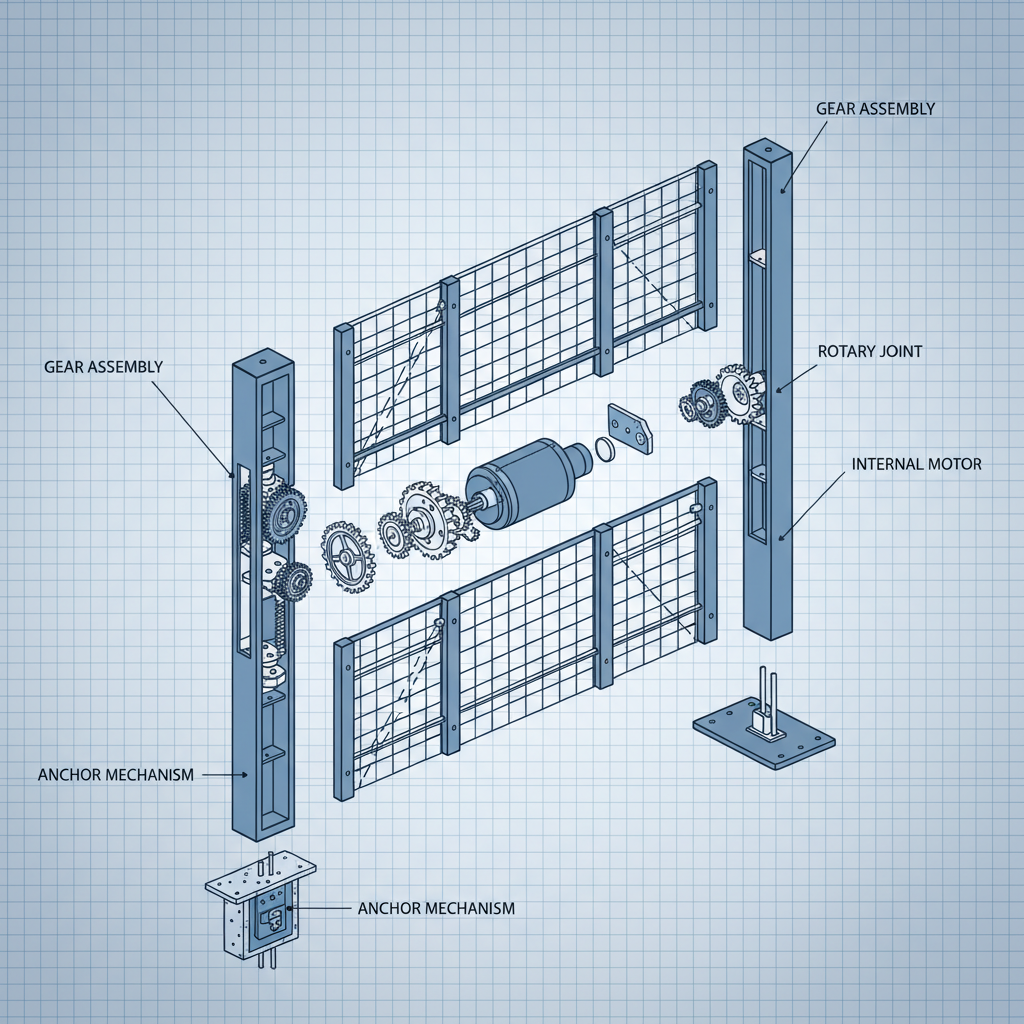
The Rising Tide of Prefabrication & 3d Fence
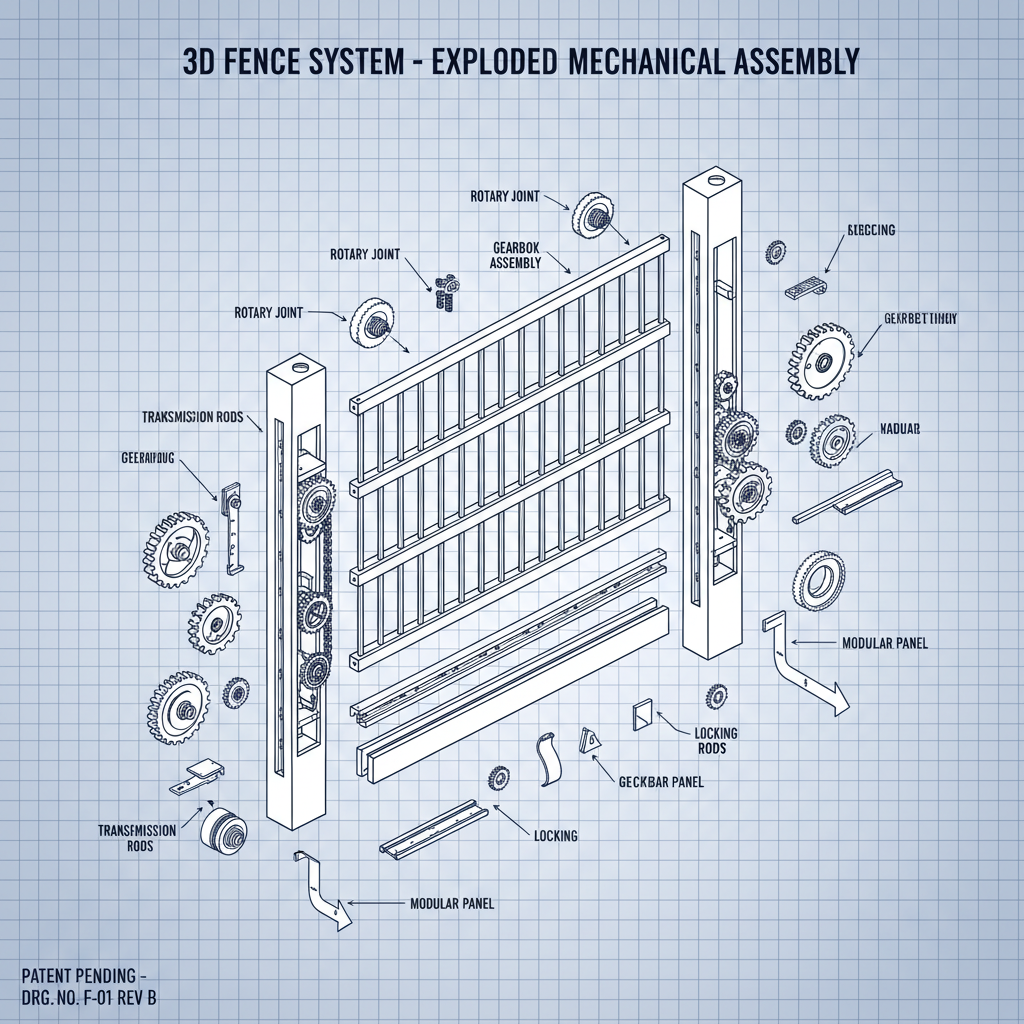
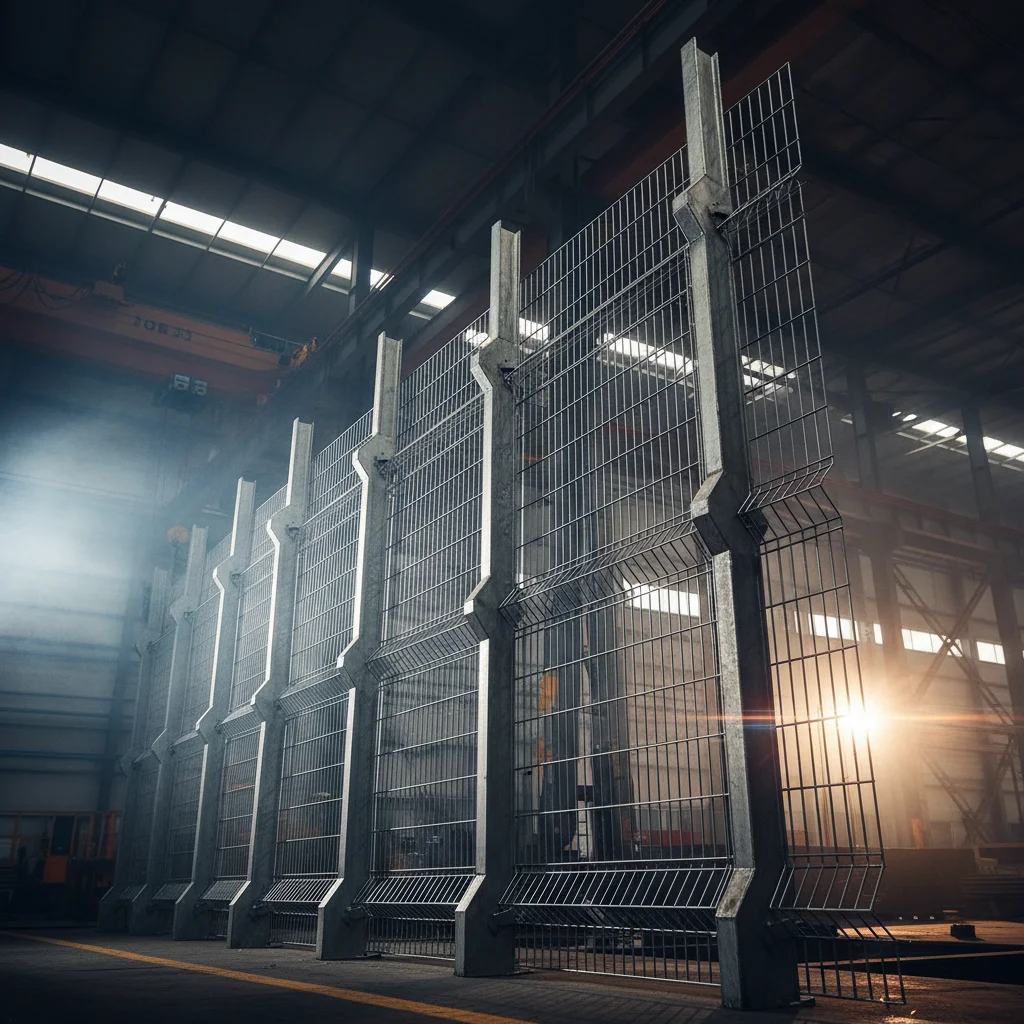
It’s everywhere, this push for prefab. Less labor, faster build times, more control over quality… in theory. And 3d Fence fits right into that. It’s basically pre-welded panels, ready to go. Less cutting, less welding on-site. I encountered this at a big solar farm project in California last time. They were using miles of the stuff. Saved them weeks, easily.
But you still need skilled guys to install it properly. It’s not just sticking panels together. You need to ensure proper grounding, secure footings, and alignment. Otherwise, you’re back to square one – a flimsy, unreliable fence.
FAQS
That really depends on the environment, honestly. Coastal areas with salt spray will see a lot more corrosion than inland locations. With proper maintenance – cleaning, touch-up paint – you can easily get 15-20 years out of a galvanized steel 3d Fence. Powder-coated steel can last even longer. But neglect it, and you'll be replacing sections within five years.
Upfront, 3d Fence is generally more expensive than chain-link. You're paying for the pre-welded panels and the more robust construction. But over the long term, it can be more cost-effective. Chain-link requires more maintenance – stretching, replacing damaged sections. 3d Fence is more durable and requires less upkeep, which saves you money in the long run. It depends on how long you plan to have it, I guess.
It helps, but don’t expect miracles. It’s not a soundproof barrier, but the density of the mesh does dampen sound waves. It's more effective at reducing higher frequencies. It’s often used in conjunction with other sound-dampening materials, like acoustic blankets. It's a small part of a bigger solution.
Concrete footings are the most common and reliable option. The size and depth of the footings depend on the height of the fence and the soil conditions. In sandy soil, you’ll need deeper footings. Rocky soil requires more excavation. You also need to ensure proper drainage to prevent the footings from cracking over time. It's a pain, but you gotta do it right.
Repairing a damaged section usually involves cutting out the damaged panel and welding in a new one. It requires some welding skills and equipment. Smaller damage, like a bent wire, can sometimes be straightened out. But major damage usually requires a full panel replacement. That’s why it’s important to choose a durable material in the first place.
Lead times vary depending on the complexity of the order and the manufacturer's production schedule. Custom orders, with specific mesh sizes or coatings, can take anywhere from 4 to 8 weeks. Standard panels are usually in stock and can be shipped within a week or two. It’s always best to plan ahead, especially for large projects. Don't wait until the last minute!
Conclusion
So, 3d Fence. It's a solid step forward, a good solution for a lot of problems, particularly when speed and durability matter. It’s not perfect—nothing is—but it’s a lot better than wrestling with individual posts and wire for weeks on end. It’s about finding the right balance between cost, performance, and ease of installation.
Look, the industry is always changing, new materials are coming out all the time. But one thing will always remain the same: the quality of the installation. Invest in good materials, hire skilled workers, and pay attention to detail. And ultimately, whether this thing works or not, the worker will know the moment he tightens the screw.