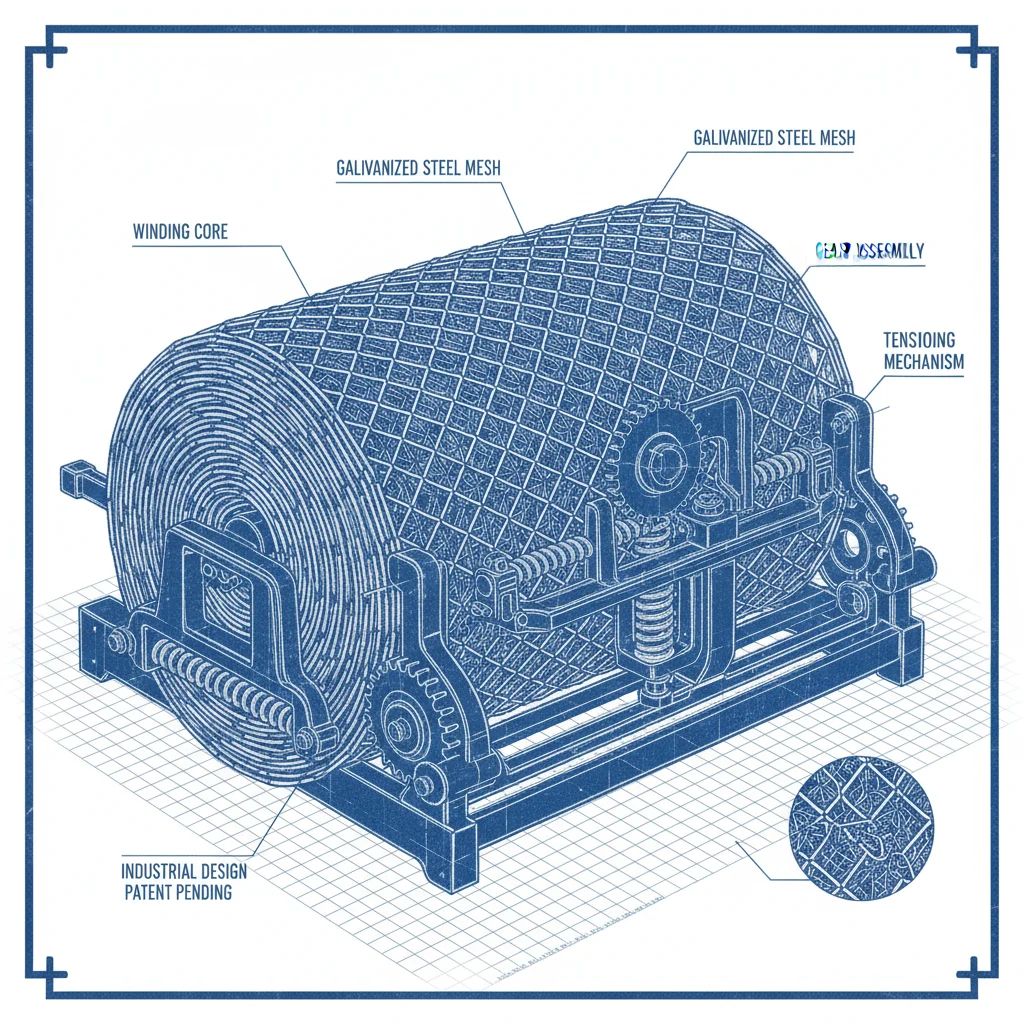
3d Fence
Garden Gate
Comprehensive Guide to Stock Fence Solutions Applications and Future Trends

Comprehensive Guide to Stock Fence Solutions Applications and Future Trends

0%

Table of Contents

Stock Fence solutions are becoming increasingly vital across a diverse range of applications, from agricultural containment and security perimeters to specialized industrial and emergency response scenarios. The demand for robust, adaptable, and quickly deployable fencing is driven by global trends in infrastructure development, increasing security concerns, and the rising frequency of natural disasters. Understanding the nuances of Stock Fence – its materials, construction, and deployment strategies – is crucial for effective resource allocation and project success.

The significance of a well-designed and properly installed Stock Fence extends beyond simple containment. It directly impacts operational efficiency, asset protection, and even public safety. Globally, agricultural economies rely on Stock Fence to manage livestock, prevent crop damage, and define property boundaries. Furthermore, sectors such as mining, construction, and event management depend on secure perimeters for safety and access control.

Investing in quality Stock Fence isn’t merely a cost; it's a strategic investment in long-term security, productivity, and peace of mind. With advancements in materials and installation techniques, modern Stock Fence offers solutions tailored to specific environmental challenges and budgetary constraints.
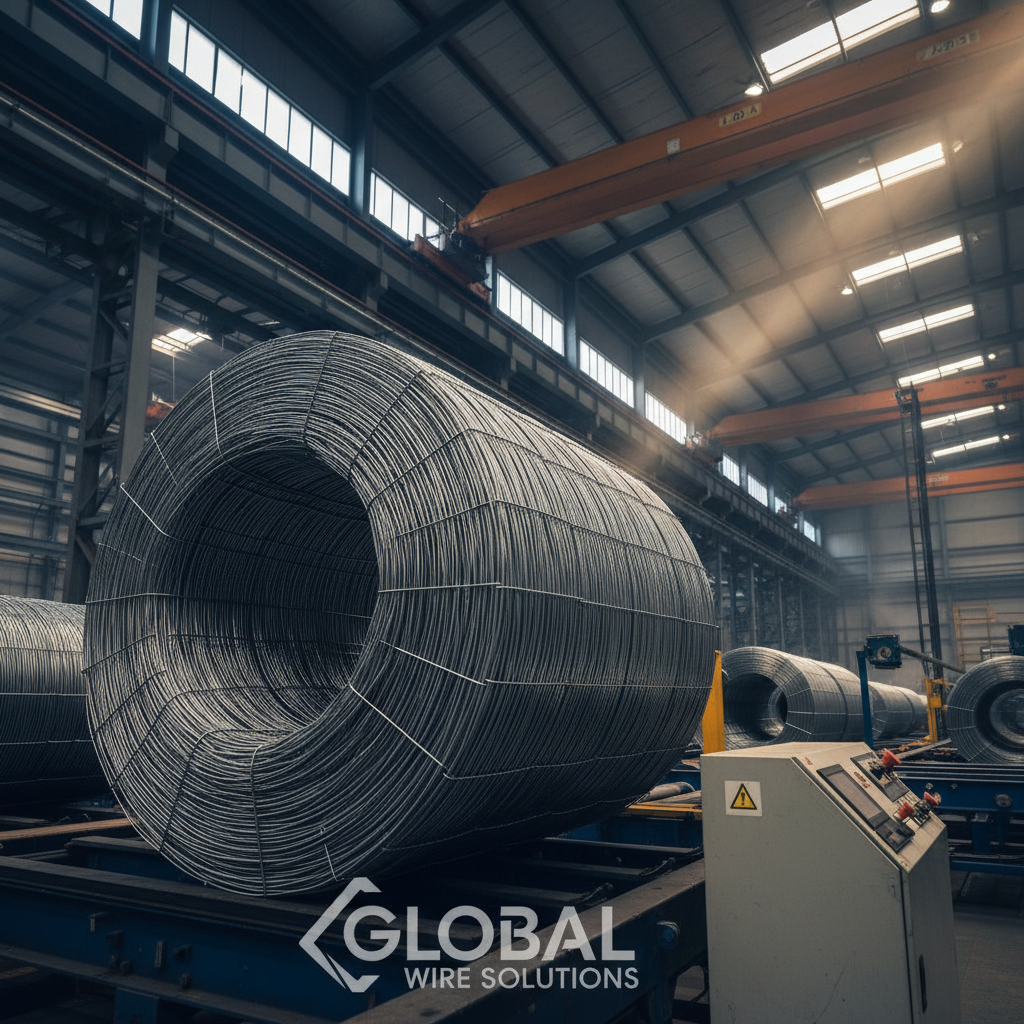
Stock Fence

Introduction to Stock Fence

Stock Fence

Stock Fence represents more than just a physical barrier; it’s a foundational element in numerous industries and applications. Its primary function – to contain, protect, and define spaces – underpins vital operations in agriculture, security, and infrastructure. The effectiveness of a Stock Fence hinges on selecting the appropriate materials, ensuring robust construction, and implementing a proper installation process.

The versatility of Stock Fence lies in its adaptability to diverse terrains and specific needs. Whether it’s a simple wire mesh fence for livestock containment or a high-security perimeter for a critical facility, the core principles of design and construction remain consistent. Understanding these principles is essential for making informed decisions and achieving optimal results.

Global Relevance and Applications

The need for effective Stock Fence solutions is globally pervasive. According to the UN’s Food and Agriculture Organization (FAO), livestock farming accounts for a significant portion of global agricultural output, and secure fencing is paramount for efficient and sustainable farming practices. Similarly, the World Bank reports increasing investments in infrastructure development, which necessitate secure construction sites and perimeter protection. The escalating threat of theft and vandalism in both rural and urban areas further fuels the demand for robust security fencing.

From expansive cattle ranches in Australia and Argentina to vineyard perimeters in France and Italy, Stock Fence plays a critical role in agricultural economies. In regions prone to conflict or natural disasters, Stock Fence can be rapidly deployed for refugee camp security and temporary boundary demarcation. The ISO standards for fencing materials and construction contribute to consistent quality and reliability across international markets.

The challenge lies in providing solutions that are both effective and affordable, particularly in developing nations where resource constraints are common. Innovative materials and installation techniques are continuously being developed to address these challenges, making Stock Fence accessible to a wider range of applications and communities.

Defining Stock Fence

At its core, Stock Fence refers to a barrier constructed using various materials – typically wire mesh, woven wire, or chain-link – supported by posts and designed to contain animals, deter trespassers, or provide security. Its functionality extends beyond simple physical containment, encompassing considerations like visibility, accessibility, and resistance to environmental factors.

The evolution of Stock Fence mirrors advancements in material science and engineering. Traditional barbed wire has been supplemented by smoother, more animal-friendly options, such as high-tensile wire and polyethylene fencing. Modern Stock Fence often incorporates specialized features like electric fencing for enhanced security and netting for protecting crops from wildlife.

The connection to modern industry and humanitarian needs is undeniable. Stock Fence is not merely an agricultural tool; it’s a crucial component of infrastructure protection, disaster relief, and security management. Its ability to rapidly define spaces and provide a sense of order makes it invaluable in emergency situations and complex operational environments.

Core Components of Effective Stock Fence

Several key factors determine the effectiveness and longevity of a Stock Fence. Durability is paramount, requiring the selection of materials resistant to corrosion, weathering, and physical damage. The gauge and type of wire, as well as the treatment applied to prevent rust, significantly impact the fence’s lifespan.

Scalability refers to the ability to adapt the fence to varying terrain and security needs. Flexible fencing options allow for installation on uneven ground, while modular designs enable easy expansion or modification. Cost-efficiency is also a critical consideration, balancing material quality with budgetary constraints.

Stock Fence Component Performance Ratings

Real-World Use Cases of Stock Fence

In post-disaster relief operations, Stock Fence is frequently deployed to establish temporary shelters, define safe zones, and control access to aid distribution points. Its rapid deployability and ease of installation make it an ideal solution in emergency situations where time is of the essence.

In remote industrial zones, such as mining operations and construction sites, Stock Fence provides a critical layer of security, protecting valuable assets from theft and unauthorized access. High-security fencing systems, incorporating features like razor wire and surveillance technology, are often used in these environments.

Advantages and Long-Term Value

The tangible benefits of investing in quality Stock Fence are numerous. Reduced livestock losses, minimized crop damage, and enhanced security all contribute to improved profitability and operational efficiency. Sustainability is also a key advantage, with many modern fencing materials being recyclable or biodegradable.

Beyond the economic benefits, Stock Fence provides peace of mind and a sense of security. Knowing that assets are protected and boundaries are clearly defined fosters trust and confidence. Innovation in fencing technology is constantly driving down costs and improving performance, making Stock Fence an increasingly attractive investment.

Future Trends and Innovations in Stock Fence

The future of Stock Fence is likely to be shaped by advancements in materials science, digital technology, and sustainable practices. The development of stronger, lighter, and more durable fencing materials, such as composite polymers and high-tensile alloys, will enhance performance and reduce maintenance costs.

The integration of smart technology, such as sensor networks and remote monitoring systems, will enable real-time perimeter surveillance and intrusion detection. Automation in the installation process, utilizing robotic systems, will further reduce costs and improve efficiency. Furthermore, greater emphasis will be placed on environmentally friendly materials and manufacturing processes to minimize the carbon footprint of Stock Fence solutions.

The demand for Stock Fence tailored to specific ecological considerations, such as wildlife passage and habitat preservation, is also expected to grow, leading to innovative designs that balance security with environmental responsibility.

Table Summarizing Stock Fence Innovation Areas

Innovation Category Current Status Potential Impact Adoption Rate (1-10)
Advanced Materials Development of composite polymers Increased durability and reduced maintenance 6
Smart Sensors Prototype integration with perimeter systems Real-time monitoring and intrusion detection 4
Automated Installation Robotic testing in controlled environments Reduced labor costs and increased efficiency 3
Sustainable Materials Growing use of recycled and biodegradable polymers Reduced environmental impact 7
Wildlife-Friendly Designs Incorporation of passage points and non-lethal barriers Habitat preservation and reduced animal collisions 5
Remote Diagnostics Emerging platforms for fence health monitoring Preventative maintenance and reduced downtime 2

FAQS

What is the typical lifespan of a Stock Fence installation?

The lifespan of a Stock Fence installation varies significantly based on several factors, including the materials used, the climate, and the level of maintenance provided. Typically, a well-maintained Stock Fence constructed with high-quality galvanized steel wire and treated posts can last between 20 and 30 years. However, in harsh environments or with inadequate maintenance, the lifespan may be considerably shorter. Regular inspections and prompt repairs are crucial for maximizing the longevity of any Stock Fence system.

How does climate affect Stock Fence performance?

Climate plays a crucial role in Stock Fence performance. Extreme temperatures, heavy rainfall, and high winds can all contribute to corrosion, weathering, and structural damage. In areas prone to freezing temperatures, the expansion and contraction of materials can cause stress and eventual failure. Similarly, saltwater exposure in coastal regions accelerates corrosion. Selecting climate-appropriate materials and applying protective coatings are essential for ensuring long-term durability.

What are the most common types of wire used in Stock Fence?

Several types of wire are commonly used in Stock Fence construction, each with its own advantages and disadvantages. Galvanized steel wire offers good corrosion resistance at a relatively affordable price. High-tensile wire provides increased strength and durability, making it suitable for demanding applications. Polywire and polytape, made from plastic filaments, are lighter and more flexible but offer less strength. Woven wire, combining vertical and horizontal wires, provides excellent containment and is often used for livestock fencing.

What maintenance is required for a Stock Fence?

Regular maintenance is crucial for preserving the integrity of a Stock Fence. This includes periodic inspections for damaged wires, loose posts, and corrosion. Clearing vegetation that grows against the fence prevents moisture retention and reduces stress on the structure. Tightening loose wires and replacing damaged components promptly will extend the fence's lifespan and ensure its continued effectiveness. Applying protective coatings to exposed metal surfaces can also help prevent corrosion.

How can I ensure my Stock Fence is secure against trespassers?

Securing a Stock Fence against trespassers requires a combination of robust materials, proper installation, and potentially additional security measures. Using a higher gauge wire, closer post spacing, and adding features like barbed wire or razor wire can deter unauthorized access. Integrating security cameras, motion sensors, and alarm systems provides an additional layer of protection. Ensuring that the fence is properly grounded can also enhance the effectiveness of electric fencing systems.

What are the environmental considerations when installing a Stock Fence?

Environmental considerations are increasingly important when installing a Stock Fence. Choosing sustainable materials, minimizing disturbance to natural habitats, and incorporating wildlife passage points can reduce the environmental impact. Avoiding the use of harmful chemicals and properly disposing of waste materials are also essential. Considering the potential impact on local ecosystems and implementing mitigation measures can ensure responsible and environmentally conscious fencing practices.

Conclusion

Stock Fence remains a fundamental component of infrastructure, agriculture, and security worldwide. From its historical roots in livestock management to its modern applications in perimeter protection and disaster relief, its versatility and adaptability are undeniable. Understanding the core principles of Stock Fence design, construction, and maintenance is essential for achieving optimal performance and long-term value.

As technology continues to advance and sustainability becomes increasingly important, the future of Stock Fence will be shaped by innovation in materials, automation, and environmentally friendly practices. Investing in quality Stock Fence solutions is not merely a cost; it’s a strategic investment in security, productivity, and a more sustainable future. For reliable Stock Fence solutions and expert advice, visit our website: www.huaxinmesh.com.

David Chen

David Chen

David Chen is the Lead Application Engineer for Dingzhou Huaxin Metals Products in the United States. With a background in Materials Science and a strong focus on practical application, David works directly with customers to identify the optimal wire mesh solutions for their specific projects. He specializes in advising on
Previous Navigating Prefabrication Realities with Garden Gate and Efficient Construction
Next Comprehensive Guide to Stock Fence Solutions Applications and Future Trends

If you are interested in our products, you can choose to leave your information here, and we will be in touch with you shortly.