

How to Choose a Durable and Cheap Pvc Fence for Your Property
Selecting a boundary solution often involves a difficult trade-off between initial expenditure and long-term durability. For many property owners and industrial managers, the search for a Cheap Pvc Fence is not merely about finding the lowest price, but about identifying the threshold where affordability meets structural integrity.
The shift toward polymer-coated and synthetic fencing materials has redefined how we approach security and aesthetics. Unlike traditional timber that rots or untreated steel that corrodes, modern PVC and coated wire systems offer a resistance to environmental degradation that significantly lowers the total cost of ownership over a decade of use.
This report examines the technical variables that influence the pricing of PVC-based fencing, the structural differences between budget and premium options, and how to evaluate these systems for specific residential or industrial applications.

The Economics of Synthetic Fencing

The term "cheap" in the fencing industry is often a misnomer for "cost-optimized." When analyzing the price of PVC systems, the primary cost drivers are the grade of the PVC resin, the thickness of the coating, and the internal reinforcement—whether it is a galvanized steel core or a hollow plastic profile.
Market fluctuations in raw polymer prices and the energy costs associated with hot-dip galvanizing (the process used for the inner core of high-quality coated fences) create a volatile pricing environment. Understanding these drivers allows buyers to timing their procurement to maximize value without compromising on the lifespan of the installation.
Structural Components and Material Logic
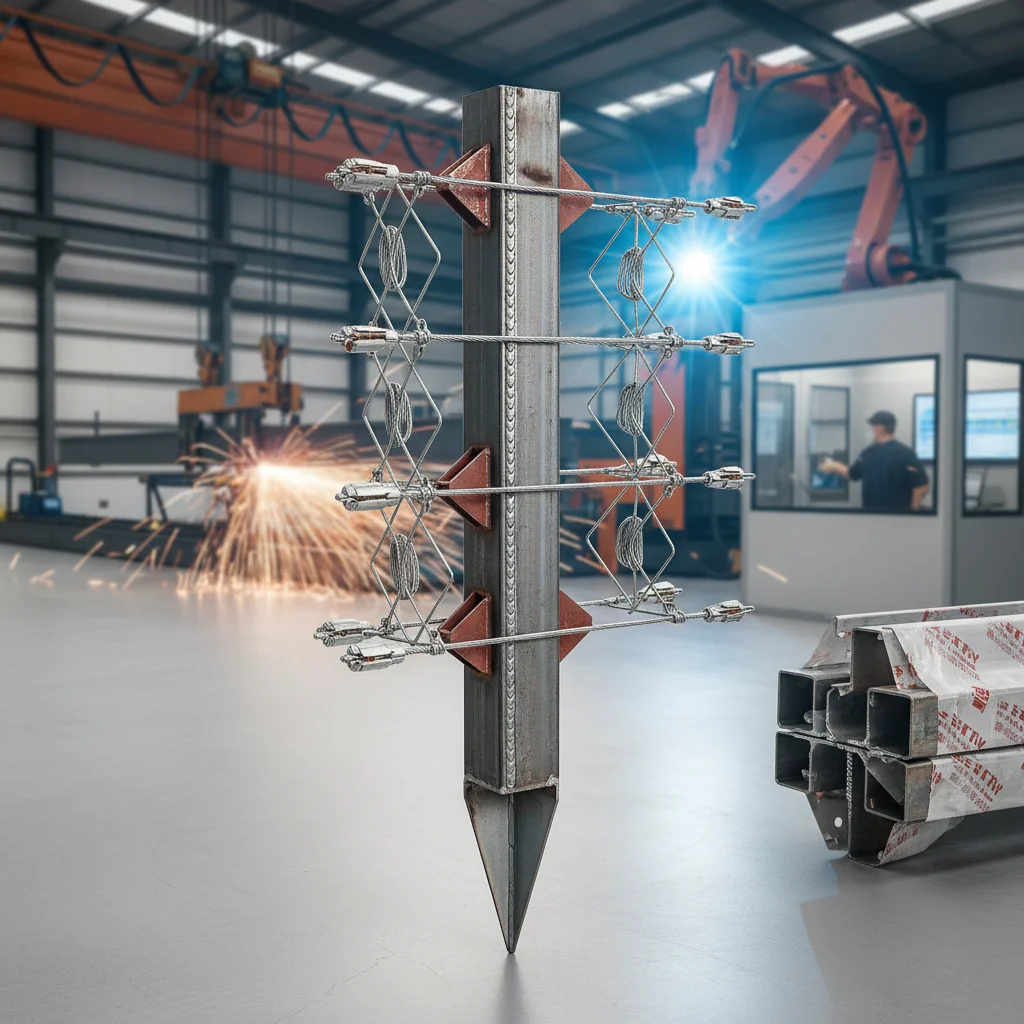
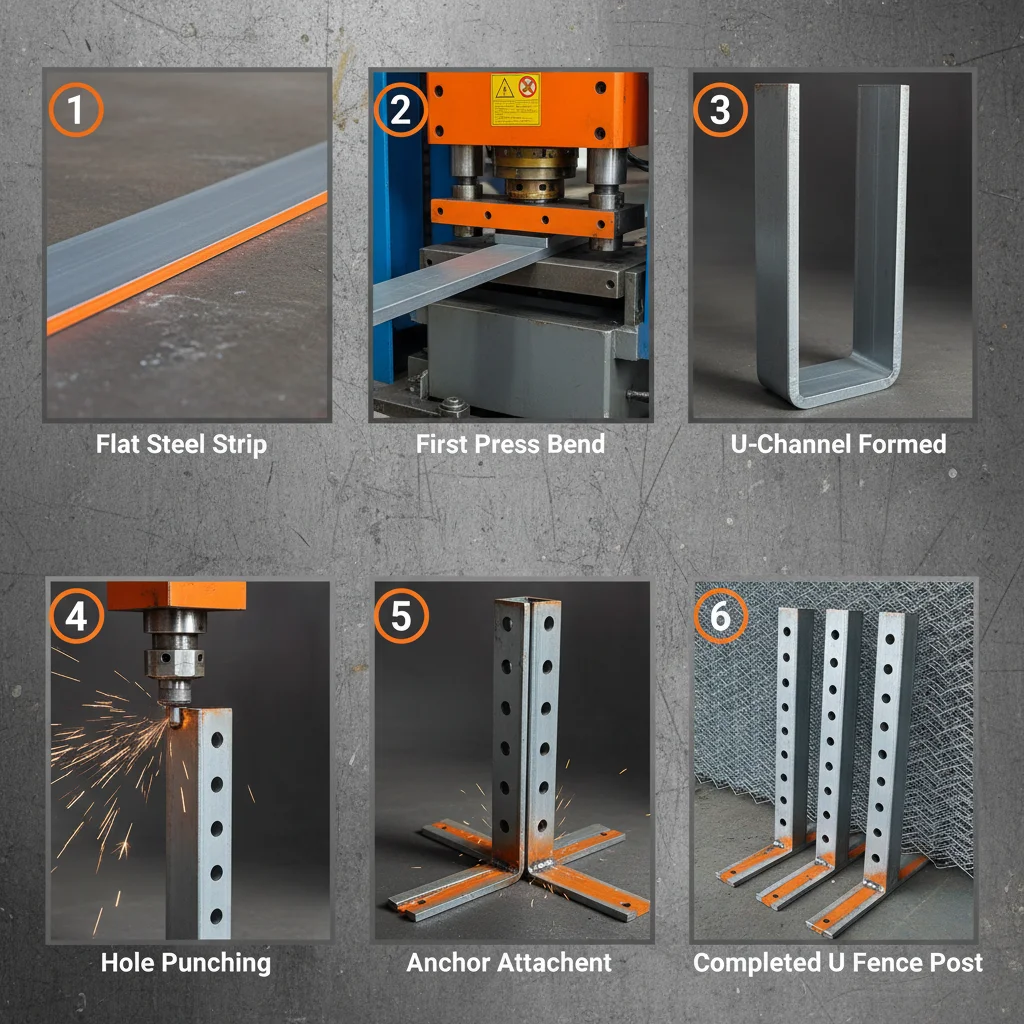
A high-performance fencing system is more than just the visible panels. It relies on a synergy between the fence post systems and the infill panels. In cost-optimized PVC solutions, the focus is on maximizing the strength-to-weight ratio. This is achieved by using optimized panel openings—such as the 5050mm or 20050mm configurations—which provide necessary structural rigidity while minimizing material waste.
The frame geometry also plays a critical role. Square posts offer higher resistance to lateral force and are typically preferred for security perimeters, whereas round posts are often more cost-effective for landscape and agricultural boundaries. The integration of these posts with precision-engineered gates, available in single or double configurations, ensures that the entire perimeter maintains a uniform tension and aesthetic.
From a manufacturing perspective, the quality of the bond between the PVC coating and the inner metal wire is the most critical technical factor. If the coating is applied inconsistently, "pinholes" can occur, allowing moisture to penetrate and oxidize the internal steel, leading to premature failure of the system regardless of the external appearance.
Evaluating Coated Wire vs. Solid PVC
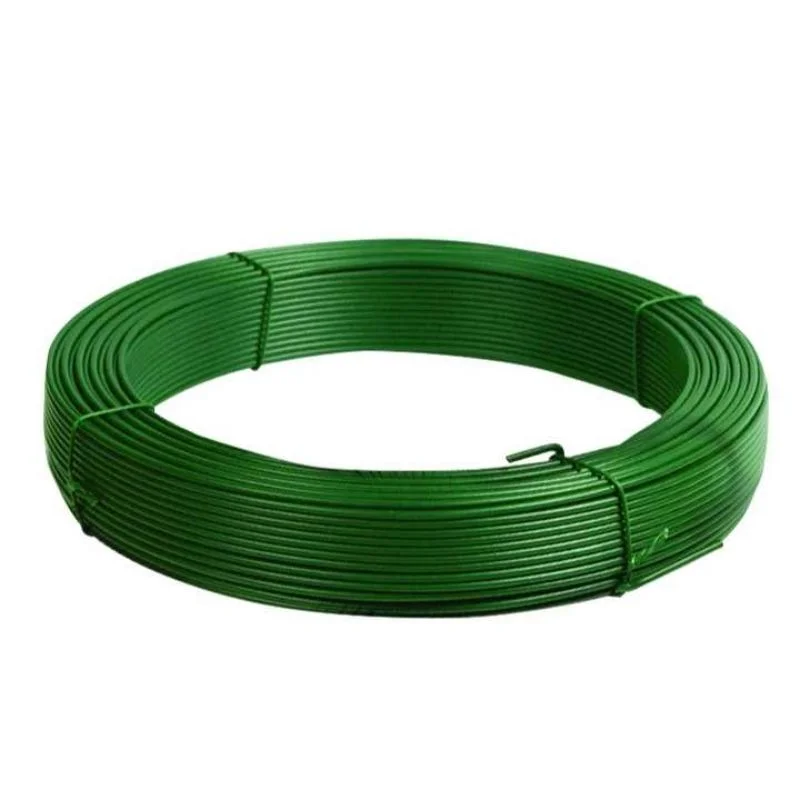
Buyers often confuse solid PVC fencing (entirely plastic) with PVC-coated wire fencing (metal core with polymer skin). While solid PVC is aesthetically pleasing for residential privacy, PVC-coated wire provides the industrial-grade strength required for security and livestock containment.
The true value of a PVC-coated system lies in its hybrid nature: it combines the tensile strength and impact resistance of galvanized steel with the corrosion protection and low maintenance of high-density polymers.
When evaluating a Cheap Pvc Fence, it is essential to check the galvanization layer beneath the PVC. A double-protection system (hot-dip galvanized steel + PVC coating) will always outperform a single-layer system in humid or saline environments, effectively doubling the expected service life.
Performance Metrics by Application
Different environments demand different performance priorities. In agricultural settings, the primary requirement is flexibility and corrosion resistance to withstand animal impact and soil acidity. In contrast, industrial perimeters prioritize rigidity, climb-resistance, and the ability to integrate additional security measures like razor barbed wire.
By utilizing a relative index, we can compare how different PVC-based configurations perform across these critical dimensions. This allows procurement officers to select a product that is "cheap" in terms of total expenditure but "premium" in its specific operational utility.
Figure 2. Performance Index by Fence Type
Deployment Scenarios and Operational Needs
In a typical industrial setting, such as a warehouse perimeter, the focus is often on rapid deployment. This is where modular fencing systems shine. Using pre-fabricated panels with dimensions like 1.0x1.2m or 1.0x2.4m allows for a standardized installation process that minimizes on-site labor costs. The ability to customize these dimensions according to specific site requests ensures that there are no gaps in security.
For those managing larger estates or agricultural zones, the use of double gates—ranging from (1.5+1.5)x1.5m to (2.0+2.0)x2.0m—provides the necessary access for machinery while maintaining the integrity of the PVC boundary. The key operational consideration here is the gate post stability; utilizing square frames for double gates prevents sagging over time, which is a common failure point in budget-grade installations.
Evolution of Perimeter Coating Technologies
The industry is moving away from simple dip-coating toward advanced extrusion processes that ensure a perfectly uniform polymer layer. This evolution is driven by the demand for UV-stable materials that do not fade or become brittle under intense sunlight, a common issue with early-generation "cheap" PVC options.
Furthermore, the integration of multi-stage galvanization has improved the longevity of the inner core. By combining electro-galvanizing for a smooth finish with hot-dip galvanizing for deep protection, manufacturers can now produce lightweight yet incredibly durable wire mesh products that maintain their structural integrity for decades.
Looking forward, we are seeing a trend toward "smart" coatings—polymers infused with antimicrobial or heat-reflective properties. While these are currently premium features, the scaling of production in hubs like Hebei's industrial zones is gradually bringing these technical advantages into the more affordable market segments.
Selection Framework for Budget-Conscious Projects
Making a procurement decision requires balancing the immediate cost against the projected maintenance cycle. A system that is 20% cheaper upfront but requires replacement in five years is significantly more expensive than a mid-range system that lasts fifteen.
The most effective way to evaluate these options is through a a comparative framework that looks at the core material, coating thickness, and expected environmental stress. This ensures that the chosen Cheap Pvc Fence is optimized for its specific location, whether that be a coastal region or an arid industrial park.
Dingzhou Huaxin Metals Products Co., Ltd. exemplifies this industrial approach by integrating the entire production chain—from wire drawing and mesh weaving to hot-dip galvanizing—to eliminate middle-man costs and ensure quality control at every stage.
| Evaluation Factor | Basic PVC Coated | Standard Galvanized+PVC | Premium Industrial Grade |
|---|---|---|---|
| Corrosion Life | 3-5 Years | 10-15 Years | 20+ Years |
| Impact Resistance | Low-Moderate | High | Very High |
| UV Stability | Moderate | High | Extreme |
| Initial Cost | Very Low | Moderate | High |
| Maintenance Need | Frequent | Low | Minimal |
| Best Application | Temporary Boundary | Residential/Agri | High-Security/Industrial |
Questions & Answers
The primary difference lies in the internal core and coating quality. Budget options may use thinner PVC or skip the galvanization of the inner steel wire. Professional systems use a hot-dip galvanized core and a UV-stabilized PVC coating, which prevents the fence from rusting from the inside out and protects it from fading under sunlight.
Panel opening depends on the purpose. A 5050mm opening is generally better for security and preventing small animals or intruders from passing through. A larger 20050mm opening is often used for decorative or light-duty boundary marking where maximum visibility is preferred and extreme security is not the primary goal.
For structural boundaries in high-humidity areas, PVC-coated galvanized wire is superior. While solid PVC doesn't rust, it lacks the structural strength to withstand wind loads and physical impact. Coated wire provides the strength of steel with a polymer barrier that keeps moisture away from the metal, offering the best of both worlds.
Yes, most professional manufacturers offer a range of standard sizes (e.g., 1.0m to 2.4m in height) but can produce panels and gates according to customer requests. Customization usually involves adjusting the width and length of the panels or the specific diameter of the post systems to fit the terrain.
While material costs may vary, the installation of modular PVC systems is typically faster and requires less specialized labor than custom carpentry. Moreover, the lack of required painting, staining, or sealing makes the long-term installation and maintenance cost significantly lower than that of traditional timber fencing.
Depending on the environment and the quality of the coating, a professionally manufactured PVC coated fence can last between 10 to 25 years. The key variable is the galvanization of the inner wire; hot-dip galvanized cores provide the longest life, especially in coastal or industrial areas with high pollution.
Final Thoughts
Achieving a cost-effective perimeter does not require sacrificing quality; rather, it requires a strategic selection of materials based on the specific environmental stressors of the site. By prioritizing UV-stable coatings and galvanized cores, buyers can secure a system that minimizes future maintenance while keeping initial capital expenditure low.
As manufacturing processes continue to optimize, the gap between budget-friendly and premium fencing is closing, providing more options for those seeking durable, professional-grade boundary solutions. The key remains a focus on the technical specifications—panel openings, post geometry, and coating integrity—rather than the price tag alone.