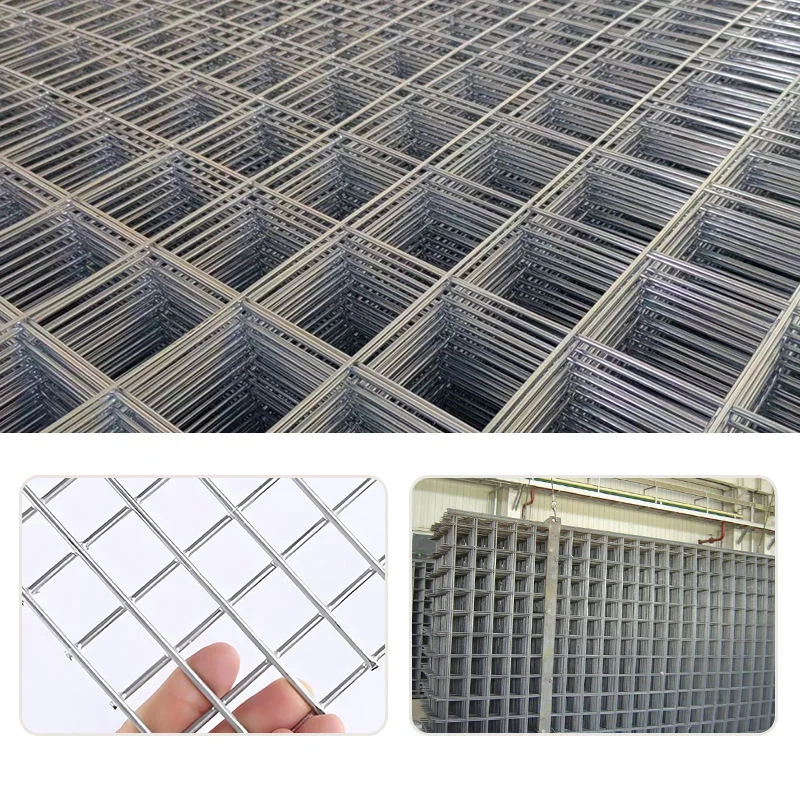


Securing vast acreage without compromising the budget remains a primary challenge for agricultural managers and property owners. The search for a Cheap Field Fence often leads to a critical trade-off between immediate procurement costs and the long-term structural integrity of the boundary.
True value in field fencing is not found in the lowest price per roll, but in the lowest cost per year of service. When analyzing materials, the intersection of galvanized steel quality, wire gauge, and post stability determines whether a fence remains functional or requires expensive replacement within a few seasons.
By understanding the technical drivers of cost and durability, buyers can identify high-performance solutions that offer the economic profile of a budget option with the lifespan of industrial-grade equipment.

Decoding the Economics of Budget Field Fencing Systems

The term "cheap" in the context of field fencing is often misunderstood as a lack of quality. In reality, economic fencing refers to the optimization of materials to meet a specific functional requirement without over-engineering the solution. For most livestock or boundary applications, the goal is to achieve maximum coverage area at the minimum sustainable cost.
The primary cost drivers in these systems are the raw steel wire, the galvanization process, and the support post infrastructure. By integrating production—from wire drawing to hot-dip galvanizing—manufacturers can remove intermediary markups, providing professional-grade materials at a price point accessible for large-scale rural deployments.
However, the risk of choosing an under-specified system is high. A fence that fails due to corrosion or insufficient tensile strength within three years creates a "hidden cost" that far exceeds the initial savings of a low-end product.
Technical Parameters That Influence Long-Term Fencing Value
The durability of a field fence is fundamentally tied to its surface treatment. Hot-dip galvanizing, which involves immersing steel in molten zinc, creates a metallurgical bond that protects the core wire from oxidation. This is significantly more effective than electro-galvanizing for outdoor environments exposed to soil moisture and rain.
Beyond coating, the structural stability of the support system is critical. Round fence posts, engineered with consistent wall thickness (typically between 1.25mm and 1.5mm), ensure that the tension of the wire mesh does not lead to post-bending or systemic collapse over time.
Material purity also plays a role; high-grade steel wire ensures that the fence can withstand the physical pressure of livestock or wind loads without permanent deformation, maintaining the perimeter's integrity for decades rather than years.
Strategic Deployment Across Diverse Agricultural Landscapes
Different terrains require distinct fencing configurations to maintain cost-efficiency. In flat grasslands, standard wire netting materials can be deployed with uniform post spacing to minimize material waste. However, in undulating or rocky terrain, the flexibility of the mesh becomes a key performance indicator.
For high-security perimeters or areas with aggressive wildlife, integrating razor barbed wire or heavy-duty wire mesh products into the field fence design provides a tiered defense. This hybrid approach allows users to apply expensive high-security materials only where necessary, while using economic field fencing for the majority of the boundary.
Proper installation techniques, such as utilizing brace posts at every corner and interval, prevent the "sagging" effect that often plagues budget installations, ensuring that the economic choice remains a functional one.
Comparative Analysis of Material Durability and Lifespan
When comparing standard market posts with premium hot-dip galvanized options, the divergence in performance becomes apparent after the first 36 months of exposure. Standard coatings often experience localized failure, leading to rapid rust penetration.
The following data illustrates the relative performance of optimized fencing systems against industry averages across key longevity and stability metrics.
Cheap Field Fence Performance Metrics
As shown, the integrated production approach—controlling everything from raw material purity to the final galvanizing bath—results in a significant increase in structural rigidity and a drastic reduction in the corrosion rate compared to fragmented supply chain products.
Procurement Framework for Large-Scale Perimeter Projects
For wholesale buyers, the procurement process should shift from "price per unit" to "total cost of ownership." This involves evaluating the supplier's production capacity and vertical integration. A manufacturer with in-house wire drawing and galvanizing facilities can offer more stable pricing and shorter lead times for massive orders.
Critical evaluation points include the diameter range of posts (e.g., 32mm to 48mm) and the consistency of the zinc coating thickness. Verifying that the supplier can provide standardized industrial-grade materials ensures that every batch performs identically, reducing the risk of weak points in the perimeter.
Furthermore, logistics coordination—proximity to major ports and airports—significantly impacts the landed cost of the material, making strategically located manufacturers more attractive for international distribution.
Future Trends in Low-Cost High-Strength Wire Materials
The fencing industry is likely to move toward hybrid coating technologies that combine the depth of hot-dip galvanizing with the aesthetic and weather-resistant properties of powder coating. This allows for "landscape-grade" appearances without sacrificing the core corrosion protection required for field use.
We may also see an increase in the use of high-tensile alloy steels that allow for thinner wire diameters while maintaining the same breaking strength. This would potentially reduce the weight of the materials, lowering shipping costs and making installation faster and less labor-intensive.
As precision forming machinery evolves, the consistency of post wall thickness will likely improve further, allowing for even more aggressive material optimization without compromising the structural stability of the fencing system.
Decision Matrix for Selecting Field Fence Specifications
Selecting the right specification requires balancing the expected pressure of the environment against the available budget. A fence designed for sheep does not require the same rigidity as one designed for cattle or for boundary security.
The following matrix provides a guide for matching product specifications to specific application needs and environmental conditions.
| Application Type | Recommended Post Dia. | Coating Requirement | Expected Lifespan |
|---|---|---|---|
| Light Livestock | 32mm - 38mm | Electro-Galvanized | 5-8 Years |
| Heavy Cattle | 42mm - 48mm | Hot-dip Galvanized | 15-20 Years |
| Coastal/Saline | 38mm - 42mm | Premium Hot-dip + Powder | 20+ Years |
| Temporary Boundary | 32mm | Standard Galvanized | 2-4 Years |
| Industrial Perimeter | 42mm - 48mm | Hot-dip Galvanized | 25+ Years |
| Landscape Support | 32mm - 38mm | Powder Coated | 10-12 Years |
Ultimately, the most cost-effective solution is one that aligns precisely with the operational load. Over-specifying leads to wasted capital, while under-specifying leads to premature failure and increased maintenance costs.
Frequently Asked Questions
Conclusion
Achieving a cost-effective perimeter does not require compromising on industrial standards. The key lies in selecting materials with high-grade galvanization and structural stability that match the specific demands of the application. When the production chain is integrated, it is possible to secure high-performance fencing that minimizes both initial investment and long-term maintenance.
Professionals evaluating these systems can review comprehensive product specifications and company capabilities through www.fence-wire.com to ensure their procurement strategy balances budget constraints with lifelong durability.