3d Fence
Garden Gate
The Essential Role of Chain Link Fence in Modern Construction Site Security

The Essential Role of Chain Link Fence in Modern Construction Site Security

0%

Table of Contents

Look, after running around construction sites all year, dealing with dust, and smelling cement, you start to see things clearly. These days, everyone’s talking about prefabrication, right? Modular stuff, quick assembly… It’s not new, but the push is strong now. Labor shortages, material costs… companies are desperate for anything that saves time. And honestly, that’s where a good Chain Link Fence comes into play. It's not glamorous, but it’s the backbone of securing those sites.

Have you noticed how much time gets wasted on perimeter security? It’s insane. Fences getting knocked down, people cutting through… it’s a constant headache. Prefabricated fences, properly installed with good hardware, really cut down on that. It’s about more than just keeping things out, it’s about controlling access and creating a safe working environment. People underestimate that.

And the details… oh, the details. That’s where things go south fast.
Chain Link Fence

Current Industry Trends and Design Pitfalls
Chain Link Fence

To be honest, the biggest trend is speed. Everyone wants things yesterday. This drives demand for easier installation, lighter materials… but that’s also where the pitfalls are. I encountered this at a factory in Jiangsu province last time – they were using thinner gauge wire to save money. Looked okay at first glance, but bent like butter after a few hard knocks. You end up paying more in the long run for repairs and replacements. Strangely, people always focus on the upfront cost.

Another thing? Corners. Seriously. People skimp on corner bracing and posts. They think they can get away with less. They can’t. Corners are always the first thing to go. And then the whole fence starts to sag.

Material Deep Dive: What We're Actually Using

The core, of course, is the steel wire. Galvanized is standard, but you’ve got different coatings – zinc, vinyl, sometimes even a polymer blend. The vinyl coated stuff feels… slick. Smells a bit plasticky, too. It holds up well against corrosion, but it can get brittle in extreme cold. And the zinc…you can smell that metallic tang when it's freshly processed. It's a good smell, actually. Means it’s doing its job.

The posts are usually steel pipe, or sometimes wood, though wood’s becoming less common. Steel’s stronger, obviously. You get different gauges – the heavier the gauge, the stronger the post. It's simple physics. But weight adds to the cost, and makes installation harder. There's always a trade-off.

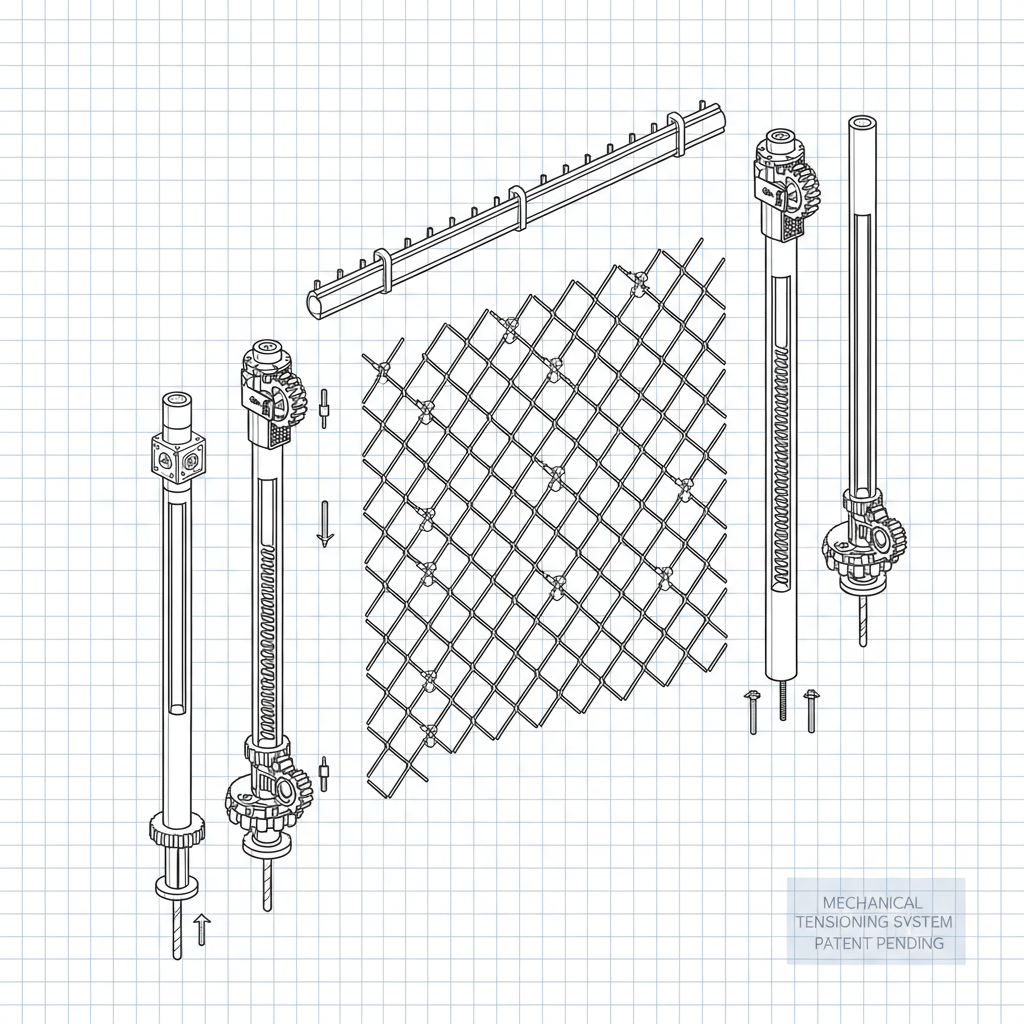
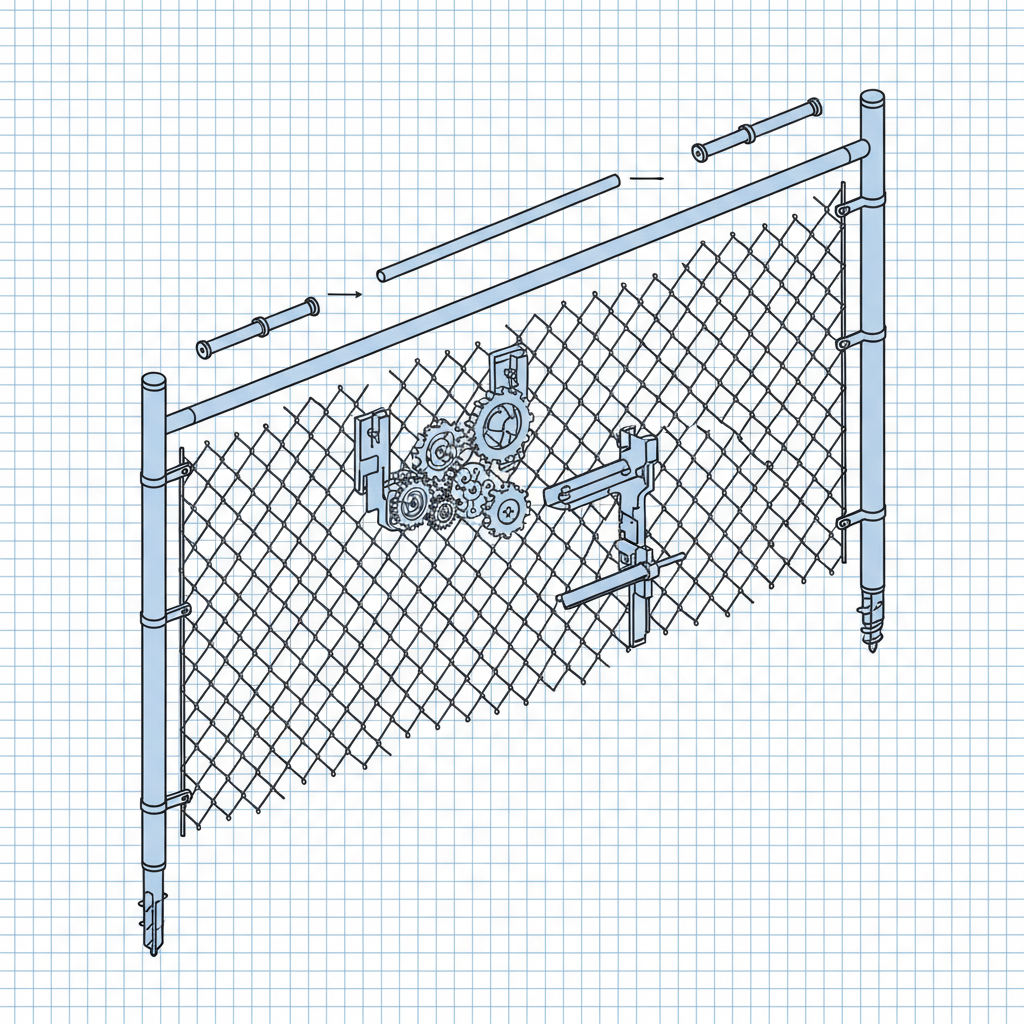
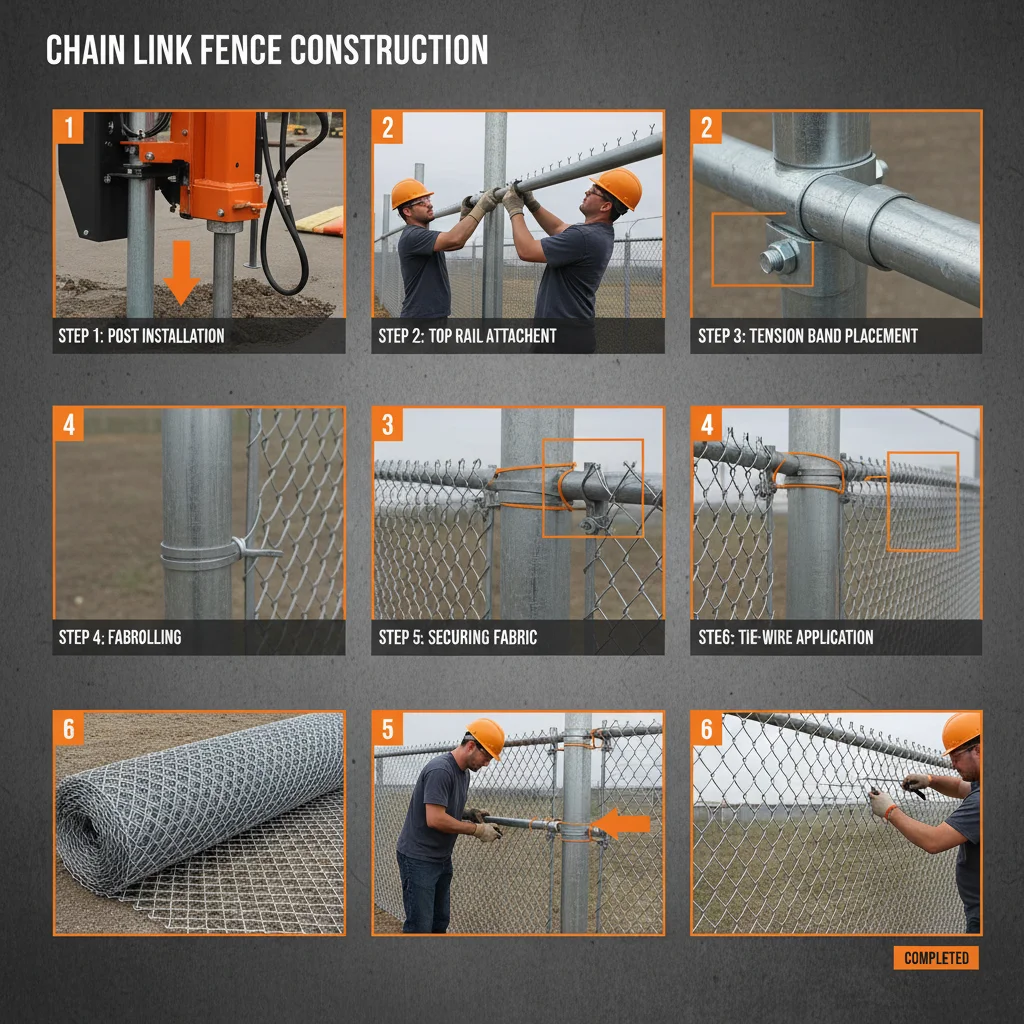
The fittings – tension bands, brace bands, rail ends… those are usually cast steel or aluminum. Aluminum's lighter, doesn't rust, but it's not as strong as steel.

Real-World Testing: Beyond the Lab

Lab tests are fine, I guess. Pull tests, bend tests… but they don't tell you anything about what happens when a drunk driver accidentally backs into it. Or when a hurricane rolls through. We test stuff on actual construction sites. We purposely put it through stress.

We'll deliberately lean on it, try to climb it, even throw things at it. Sounds barbaric, but it's the only way to really know how it'll hold up. I once saw a fence completely fail because someone used the wrong type of wire ties. The wire just snapped under the tension.

And the weather. You can simulate rain and salt spray in a lab, but it’s not the same as a real coastal environment. That’s where the vinyl coating really gets put to the test.

How Users Actually Use Chain Link Fence

This is where it gets interesting. You design a fence for security, right? But people find ways around it. They’ll drape tarps over it, lean ladders against it, even use it to hang banners. It’s never used exactly as you intended.

And the shortcuts people take during installation… unbelievable. Skipping posts, using undersized hardware, not properly tensioning the wire. It’s a disaster waiting to happen. That’s why good installation training is so important.

Chain Link Fence Performance by Installation Method

Advantages and Disadvantages - Let’s Be Real

Okay, advantages. It’s relatively cheap, especially compared to other security options. It’s durable, especially if you get a good quality galvanized or vinyl-coated fence. And it's quick to install, or at least can be. Anyway, I think those are the big ones.

Disadvantages? It's not the most aesthetically pleasing option. It can be climbed, if someone's determined enough. And it requires maintenance – you need to check the tension, repair any damage, and re-coat it periodically. Plus, the initial installation can be a pain. Especially getting the posts set properly.

Customization: When and How It Works

You can customize a lot. Height, gauge of the wire, type of coating, post spacing… you name it. Last month, that small boss in Shenzhen who makes smart home devices insisted on changing the interface to , and the result was a complete disaster – the whole batch was incompatible with standard fasteners. But, for a Chain Link Fence, it’s generally sensible.

We had a customer last year who needed a fence that could withstand high winds. We ended up using heavier gauge posts and a tighter mesh, and adding extra bracing. It cost more, but it saved them a lot of headaches in the long run. Sometimes, you just have to go the extra mile.

Color customization is popular too. Black or green are common, to blend in with the surroundings.

A Customer Story: The Shenzhen Smart Home Guy

Speaking of Shenzhen… that guy, Mr. Li, he’s a piece of work. He wanted a fence around his factory, but he insisted on using these fancy, imported tension bands. Looked great, all polished aluminum. But they were softer than butter. Within a month, they were all bent and distorted.

He called me, furious. Said the fence was “cheap garbage.” I explained that the bands were the problem, not the fence. He wouldn’t listen. Ended up having to replace all of them with standard steel bands. Cost him a fortune. He still blames me, though.

Later… forget it, I won't mention it.

Summary of Chain Link Fence Performance Across Key Metrics

Component Quality Installation Expertise Environmental Exposure Overall Durability (Scale 1-10)
High Grade Steel & Coating Professional Installers Mild Climate 9
Standard Galvanized Steel DIY – Experienced Moderate Exposure 7
Low Grade Steel & Coating DIY – Novice Harsh Coastal Climate 3
Standard Galvanized Steel Fast Track Install (Limited Support) Moderate Exposure 5
High Grade Steel & Coating Professional Installers Extreme Climate (High Winds) 8
Standard Galvanized Steel Professional Installers Moderate Exposure 7

FAQS

What is the expected lifespan of a properly installed chain link fence?

Assuming a quality galvanized or vinyl-coated fence and proper installation, you're looking at 15-20 years, easily. But that depends heavily on the environment. Coastal areas with salt spray will significantly reduce that lifespan. Regular maintenance, like cleaning and re-coating, can extend it considerably. And let's be real, a fence that gets regularly abused isn't going to last as long.

What are the best practices for preventing rust on a chain link fence?

Galvanization is your first line of defense. Vinyl coating is even better. But even with that, you need to inspect the fence regularly for scratches or damage to the coating. Any exposed metal needs to be cleaned and re-coated with a zinc-rich primer and then a matching paint. Also, avoid piling dirt or debris against the fence, as that traps moisture and accelerates corrosion. And honestly, just rinsing it off occasionally helps.

What’s the ideal post spacing for a chain link fence?

Typically, you'll see 8-10 foot spacing. But that depends on the height of the fence and the wind load in your area. The higher the fence, or the windier the location, the closer you need to space the posts. A good rule of thumb is to err on the side of caution. It’s better to have too many posts than not enough. Trust me, I've seen fences collapse because of inadequate bracing.

How do I choose the right gauge of chain link fabric for my needs?

It comes down to security and cost. 9-gauge is pretty standard for residential applications. It's strong enough to deter most casual intruders. If you need higher security, go with 6-gauge or even 4-gauge. But remember, the thicker the gauge, the more expensive it is. Think about what you’re trying to protect, and choose accordingly. Also, consider the potential for vandalism - thicker gauges are more resistant to cutting.

Can chain link fencing be used for animal enclosures?

Absolutely, but you need to choose the right mesh size. Smaller mesh sizes are needed for smaller animals, like chickens or rabbits. Larger mesh sizes can work for bigger animals, like goats or sheep, but make sure it’s small enough to prevent them from escaping or predators from getting in. And you'll want to bury the bottom of the fence to prevent digging.

What are the common accessories used with chain link fencing?

Tension bands, brace bands, rail ends, post caps, gate hardware… the list goes on. You also have things like privacy slats, which can add a bit of visual appeal and block some wind. And security tops, like razor ribbon or barbed wire, for increased security. But again, it all depends on your specific needs and budget. Just make sure you get quality hardware - cheap stuff will fail quickly.

Conclusion

Ultimately, a Chain Link Fence is a simple solution to a complex problem: security. It’s not fancy, it’s not glamorous, but it’s effective. The key is to use quality materials, install it properly, and maintain it regularly. It's the unglamorous workhorse of perimeter security, and despite all the new technologies out there, it's still a vital component of countless projects.

Look, at the end of the day, whether this thing works or not, the worker will know the moment he tightens the screw. You can run all the tests in the world, but if it doesn't feel solid and secure when it's installed, it's not going to last. That’s just how it is.
Kevin Barnes

Kevin Barnes

Kevin Barnes is the Quality Control Supervisor for Dingzhou Huaxin Metals Products’ US operations. He ensures all products entering the American market meet the highest quality standards and comply with industry specifications. Kevin oversees rigorous inspection processes, including dimensional checks, material analysis, and coating verification. With a background in manufacturing
Next The Practical Guide to 3d Fence Installation and LongTerm Performance

If you are interested in our products, you can choose to leave your information here, and we will be in touch with you shortly.