Diamond Wire Mesh represents a crucial advancement in material science and engineering, offering unparalleled precision and efficiency in cutting applications across diverse industries. Globally, the demand for high-performance cutting solutions is steadily increasing, driven by sectors like stone processing, glass manufacturing, and semiconductor fabrication. Understanding the nuances of diamond wire mesh – its construction, properties, and applications – is essential for professionals seeking optimized cutting performance, reduced material waste, and increased operational safety.
The relevance of diamond wire mesh extends beyond purely industrial applications. Its unique properties make it a valuable tool in specialized fields like archaeological excavation, geological sampling, and even medical research. The ability to create extremely thin and precise cuts, coupled with minimal material loss, opens doors to innovative techniques and discoveries. Statistical data from the UN Comtrade database demonstrates a consistent growth in international trade of diamond wire and related products, indicating a global reliance on this technology.
Essentially, diamond wire mesh allows for cleaner, more efficient, and more controlled cutting than traditional methods. Its adoption translates to significant cost savings, improved product quality, and a smaller environmental footprint. As industries continue to prioritize sustainability and precision, the importance of diamond wire mesh will only continue to grow.
Introduction to Diamond Wire Mesh
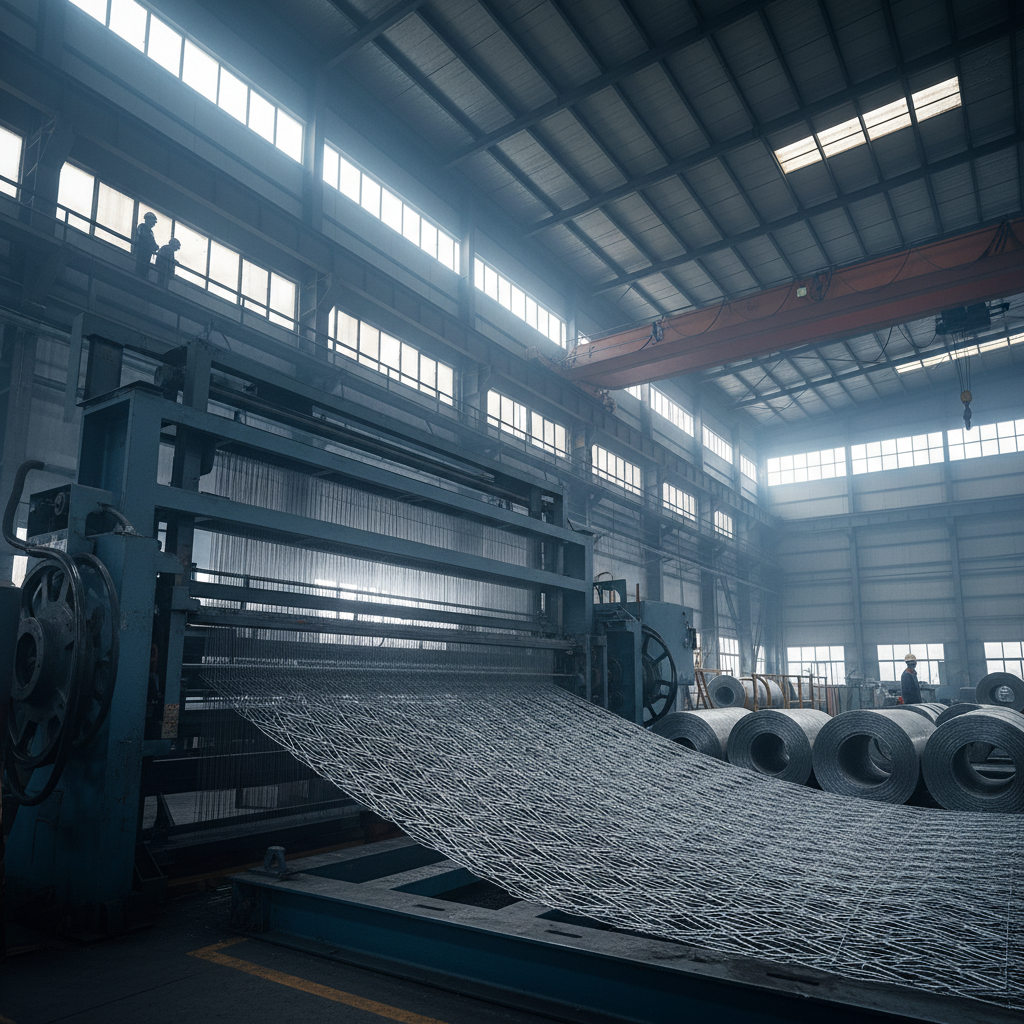
Diamond wire mesh isn't just a cutting tool; it’s a technologically advanced system designed for precision, efficiency, and minimal waste. It consists of a steel cable embedded with industrial-grade diamond particles, creating a continuous cutting edge. This configuration allows for cutting materials that are challenging or impossible to process with traditional saw blades, offering a non-impact cutting solution.
The development of diamond wire mesh has been instrumental in revolutionizing numerous industries. From quarrying marble and granite to slicing silicon wafers for the electronics industry, its versatility and performance benefits are widely recognized. The demand for Diamond Wire Mesh continues to grow, fueled by the pursuit of higher quality, lower costs, and environmentally responsible manufacturing processes.
Defining Diamond Wire Mesh
Diamond wire mesh, at its core, is a flexible cutting tool composed of a high-tensile steel cable coated with a matrix that holds industrial-grade diamond grit. The diamond particles act as the cutting elements, while the steel cable provides the necessary strength and flexibility to navigate complex cutting paths. This construction allows for cutting in multiple directions and achieving intricate shapes, far surpassing the capabilities of conventional sawing techniques.
Its connection to modern industry is profound. The need for precise and efficient material processing in sectors like construction, manufacturing, and technology has driven the innovation and widespread adoption of this technology. It addresses the challenge of cutting brittle, hard, or abrasive materials without causing cracking, chipping, or excessive material loss.
Moreover, diamond wire mesh finds application in areas requiring minimal kerf loss and low noise levels, such as the delicate cutting of gemstones, archaeological artifacts, and specialized industrial components. Its non-percussive nature also makes it ideal for applications where vibrations could be damaging.
Core Components of Diamond Wire Mesh
The effectiveness of diamond wire mesh hinges on the synergistic interaction of several key components. Firstly, the steel cable itself must possess exceptional tensile strength and flexibility to withstand the cutting forces and navigate curves. Secondly, the bonding matrix – typically a metallic alloy or polymer – plays a critical role in securely embedding the diamond grit and facilitating efficient cutting action.
The diamond grit is arguably the most crucial component, with its size, shape, and concentration directly impacting the cutting speed, surface finish, and overall performance. Different diamond grit grades are selected based on the material being cut, with coarser grits for aggressive cutting and finer grits for precision finishing. Finally, the protective coating applied to the cable enhances its durability and resistance to corrosion, extending its service life.
The selection of high-quality components and their careful integration are fundamental to producing a diamond wire mesh that delivers consistent performance and reliability.
Key Performance Factors
Several factors contribute to the overall performance of diamond wire mesh. Durability is paramount, as the wire must withstand significant stress during operation. The steel cable’s composition and construction, coupled with the quality of the diamond grit and bonding matrix, determine its resistance to wear, fatigue, and breakage.
Scalability refers to the ability to adapt the diamond wire mesh to different cutting applications. This includes varying the diamond grit size, wire diameter, and cable tension to optimize performance for different materials and cutting geometries. Cost efficiency is also critical, encompassing both the initial investment and the long-term operating costs. Choosing a wire mesh with a longer lifespan and optimized cutting speed can significantly reduce overall expenses.
Diamond Wire Mesh Performance Metrics
Global Applications and Use Cases
Diamond wire mesh sees extensive application in the stone industry, particularly for quarrying marble, granite, and other dimension stones. Its ability to create precise cuts with minimal waste makes it invaluable for producing tiles, slabs, and customized architectural elements. It's also widely used in the glass industry for cutting large panels of glass with exceptional accuracy.
In the semiconductor industry, diamond wire mesh plays a critical role in slicing silicon wafers into individual chips. The non-impact cutting action prevents cracking and ensures minimal material loss, essential for maximizing yield. In archaeological excavations, diamond wire mesh allows for the careful extraction of delicate artifacts from surrounding rock matrices without causing damage.
Furthermore, it’s finding increased use in civil engineering projects, such as the precise cutting of concrete and reinforced concrete structures, and in the renewable energy sector for cutting solar ingots. From post-disaster relief operations requiring the safe dismantling of damaged structures to remote industrial zones lacking access to traditional cutting equipment, diamond wire mesh provides a versatile and reliable solution.
Advantages and Long-Term Value
The advantages of using diamond wire mesh are multifaceted. Tangible benefits include significant cost savings due to reduced material waste and increased cutting speed, along with improved product quality and dimensional accuracy. From a sustainability perspective, the minimal kerf loss translates to less material being discarded, reducing environmental impact.
Beyond these practical benefits, diamond wire mesh offers increased operational safety. The non-impact cutting action reduces the risk of kickback and material fracturing, protecting operators from potential hazards. The consistent performance and reliability of high-quality Diamond Wire Mesh build trust and enhance reputation, leading to long-term customer satisfaction.
Future Trends and Innovations
The future of diamond wire mesh is poised for continued innovation. Ongoing research focuses on developing new bonding matrices that offer improved diamond retention and enhanced cutting performance. The integration of sensor technology and automation is also gaining traction, enabling real-time monitoring of cutting parameters and automated adjustments to optimize efficiency.
Furthermore, the development of eco-friendly diamond grit production methods and the exploration of alternative steel alloys with enhanced tensile strength are key areas of focus. These advancements align with the growing demand for sustainable manufacturing practices and contribute to the long-term viability of diamond wire mesh as a crucial cutting solution. The integration with digital twin technology is also expected to improve predictive maintenance and reduce downtime.
Challenges and Solutions
Despite its numerous advantages, diamond wire mesh faces certain challenges. One common limitation is the potential for wire breakage, particularly when cutting highly abrasive or brittle materials. This can be mitigated by selecting the appropriate diamond grit size, maintaining proper tension, and implementing regular inspections for wear and damage.
Another challenge is the accumulation of debris within the cutting interface, which can reduce cutting efficiency and lead to premature wear. Solutions include employing coolant systems to flush away debris and utilizing wire mesh designs that promote self-cleaning. The relatively high initial cost can also be a barrier to entry for some users. However, this is often offset by the long-term cost savings associated with reduced material waste, increased cutting speed, and extended wire lifespan.
Finally, proper operator training is crucial to ensure safe and efficient operation. Educating users on the correct cutting techniques, maintenance procedures, and safety protocols is essential for maximizing the benefits of this technology.
Summary Table of Diamond Wire Mesh Performance Factors
| Material Compatibility |
Cutting Speed |
Operational Cost |
Surface Finish Quality |
| Excellent for hard materials like granite, glass. |
7/10 (dependent on material and grit size) |
Moderate (initial cost higher, but reduced waste) |
9/10 (extremely smooth and precise cuts) |
| Good for ceramics and reinforced concrete. |
6/10 (requires optimized parameters) |
Moderate to Low (with efficient coolant use) |
8/10 (clean cuts with minimal chipping) |
| Limited use for soft metals. |
4/10 (less effective than other methods) |
High (not the optimal choice for metals) |
6/10 (can leave a slightly rough finish) |
| Ideal for semiconductor wafer slicing. |
8/10 (high precision allows for faster cutting) |
Moderate (high initial investment, long lifespan) |
10/10 (critical for chip fabrication) |
| Suitable for archaeological artifact extraction. |
5/10 (slow and deliberate for delicate work) |
Low (minimizes risk of damage to artifacts) |
9/10 (preserves delicate structures) |
| Effective for cutting large glass panels. |
7/10 (efficient and precise for large formats) |
Moderate (reduces breakage and waste) |
8/10 (clean, straight cuts) |
FAQS
Diamond wire mesh offers several advantages including a narrower kerf (material loss), the ability to cut complex shapes, reduced noise and vibration, and a lower risk of material chipping or cracking. It's particularly effective for cutting brittle or abrasive materials that are difficult to process with traditional saws. This translates to reduced waste, improved product quality, and enhanced safety.
Selecting the appropriate diamond grit size depends on the material you're cutting and the desired surface finish. Generally, coarser grits are used for aggressive cutting of hard materials, while finer grits are used for precision finishing and achieving a smoother surface. Consulting with a diamond wire mesh supplier or referencing a material compatibility chart can help you choose the optimal grit size for your specific needs.
The lifespan of a diamond wire mesh varies significantly depending on the material being cut, the cutting parameters (speed, tension, feed rate), and the quality of the wire. With proper maintenance and optimized cutting practices, a wire can last for hundreds of meters of cutting. Regular inspection for wear and tear is crucial to prevent premature failure.
Always wear appropriate personal protective equipment (PPE), including safety glasses, gloves, and hearing protection. Ensure the cutting area is well-ventilated and free of obstructions. Follow the manufacturer's instructions for wire tension, cutting speed, and coolant usage. Never exceed the wire's maximum load capacity. Regularly inspect the wire for damage and replace it if necessary.
Regular cleaning with appropriate solvents can help remove debris and maintain cutting efficiency. Check the wire for wear and tear, and replace it when necessary. Ensure proper wire tension and alignment during operation. Store the wire in a clean, dry environment when not in use. Following these maintenance procedures will prolong the wire’s lifespan and optimize its performance.
Yes, various steel alloys are used, each offering specific properties. High-carbon steel is common for its strength, while stainless steel provides corrosion resistance. The cable’s construction (e.g., single-strand, multi-strand) also affects its flexibility and load-bearing capacity. The selection of the appropriate steel cable is crucial for ensuring the wire’s durability and performance in different cutting applications.
Conclusion
Diamond wire mesh has firmly established itself as a vital technology across diverse industries, offering a compelling combination of precision, efficiency, and safety. From revolutionizing stone processing to enabling advancements in semiconductor manufacturing and archaeological excavations, its versatility and performance benefits are undeniable. Understanding its core components, key performance factors, and future trends is crucial for professionals seeking to optimize their cutting operations.
Looking ahead, continued innovation in materials, automation, and digital integration will further enhance the capabilities of diamond wire mesh. Embracing these advancements and prioritizing sustainable practices will ensure its continued relevance and contribute to a more efficient and environmentally responsible future. To learn more about our range of Diamond Wire Mesh solutions and how we can help optimize your cutting processes, visit our website today!