Welded Wire Mesh stands as a foundational element in modern infrastructure and a versatile solution across diverse industries. Its inherent strength, durability, and cost-effectiveness have cemented its role in construction, agriculture, security, and beyond. Understanding the intricacies of welded wire mesh – its manufacturing, applications, and future advancements – is crucial for professionals and decision-makers seeking robust and reliable materials for a myriad of projects.
Globally, the demand for welded wire mesh is consistently rising, driven by urbanization, infrastructure development in emerging economies, and increasing security concerns. According to industry reports, the market is projected to experience steady growth in the coming years. This growth is fueled by the material’s adaptability and the relatively simple installation process, making it a preferred choice over more complex alternatives.
The significance of welded wire mesh extends beyond purely economic factors. It plays a vital role in safety – from reinforcing concrete structures to creating secure perimeter fencing – and contributes to sustainability through efficient resource utilization and long operational life. Its wide availability and relatively low environmental impact make it a practical and responsible choice for countless applications.
Defining Welded Wire Mesh and Its Applications
Welded wire mesh, at its simplest, is a series of intersecting wires welded together at each point of contact to form a rigid panel. These panels are typically manufactured from low-carbon steel wire, but can also be produced using stainless steel, galvanized steel, or other alloys depending on the intended application and environmental conditions.
This versatile material finds application in a remarkably broad spectrum of industries. From reinforcing concrete in construction projects to creating secure enclosures for livestock and wildlife, its functionality is undeniable. Its connection to modern industry and humanitarian needs lies in its ability to provide reliable, cost-effective, and adaptable solutions for countless challenges.
The Global Relevance of Welded Wire Mesh
Welded wire mesh is a truly global commodity, with production and consumption spanning every continent. The construction industry, a major driver of demand, is booming in developing nations, particularly in Asia and Africa, leading to increased needs for reinforcing materials like welded wire mesh. Similarly, agricultural advancements worldwide rely heavily on the use of wire mesh for fencing, netting, and other protective structures.
The United Nations and numerous humanitarian organizations utilize welded wire mesh in disaster relief efforts, employing it in the construction of temporary shelters, barriers, and security perimeters. It provides a rapid deployment solution for creating safe and secure environments in challenging circumstances. The World Bank also recognizes its importance in infrastructure projects, particularly in rural development initiatives.
A significant challenge addressed by welded wire mesh is the increasing need for security. From high-security fencing around critical infrastructure to perimeter protection for residential properties, the material offers a cost-effective and reliable deterrent against unauthorized access. The rising global focus on safety and security contributes significantly to its continued demand.
Understanding the Core Components of Welded Wire Mesh
The foundation of any welded wire mesh panel lies in the quality of the wire used. Typically, low-carbon steel wire is favored for its affordability and weldability, but the specific gauge (thickness) of the wire is crucial to determining the mesh’s strength and rigidity. Wire diameter is a key specification, influencing the mesh's load-bearing capacity and its resistance to deformation.
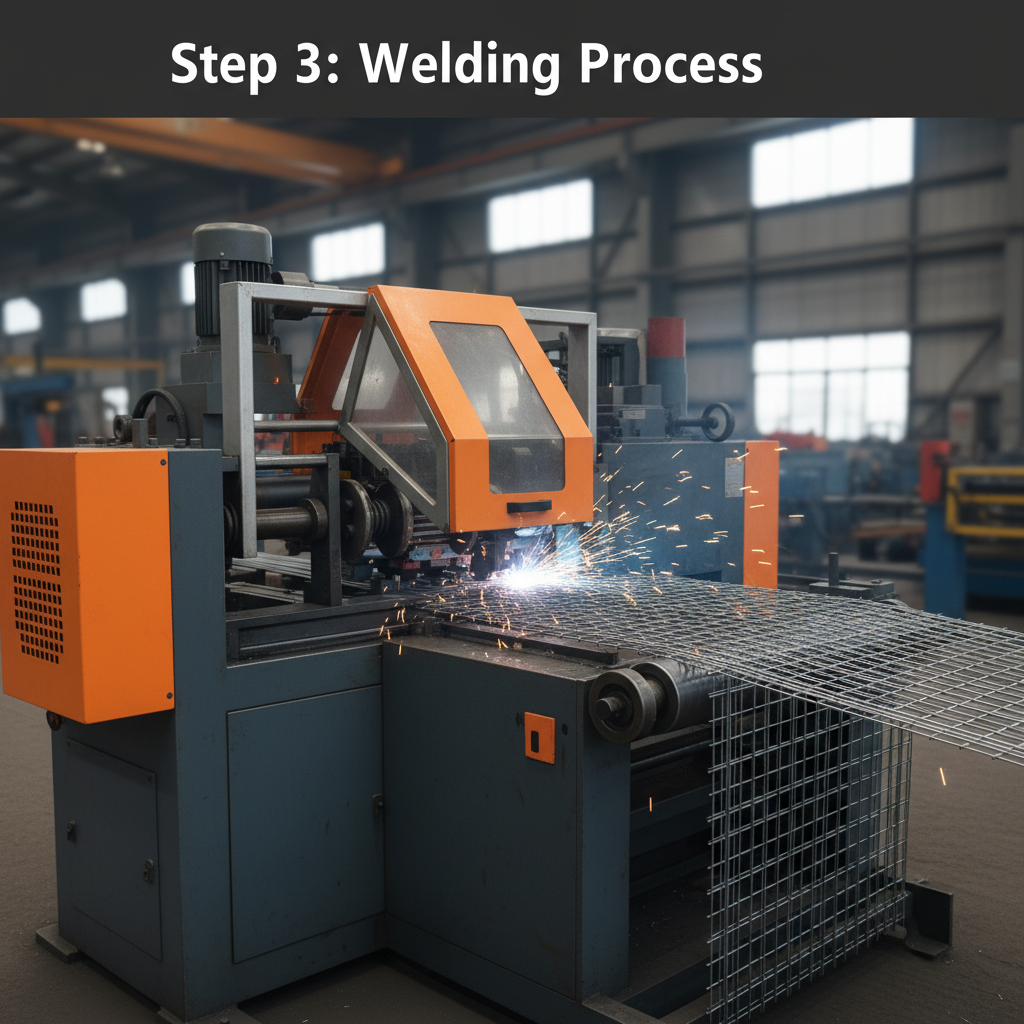
The aperture size, referring to the spacing between the wires, is another critical component. Smaller apertures provide greater security and prevent the passage of smaller objects, while larger apertures are often used in applications where ventilation or visibility is prioritized. The welding process itself – whether it's spot welding, continuous welding, or flash welding – significantly impacts the mesh's overall integrity.
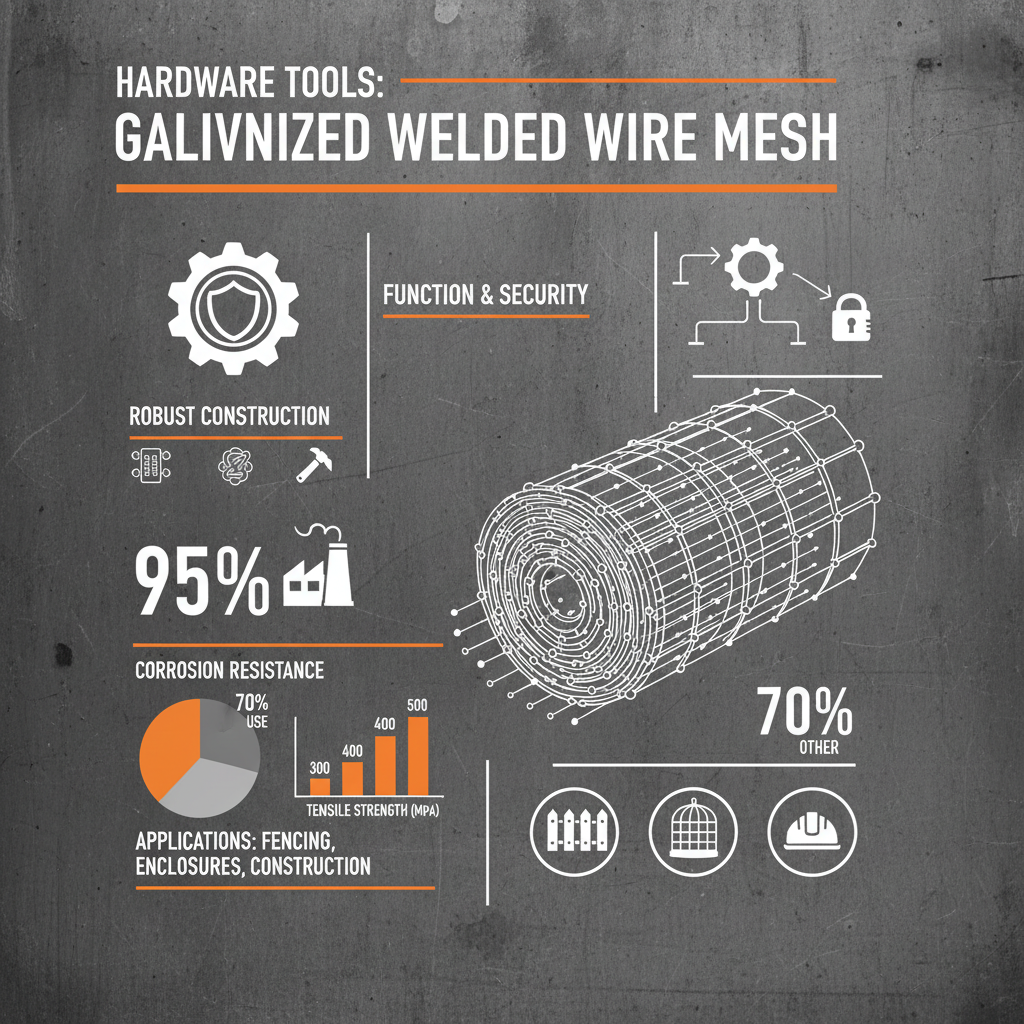
Finally, the surface treatment applied to the mesh plays a vital role in its longevity. Galvanization, applying a protective zinc coating, is a common method for preventing corrosion, while powder coating offers enhanced durability and aesthetic appeal. The selection of the appropriate surface treatment depends heavily on the intended environment and potential exposure to corrosive elements.
Key Factors Influencing Welded Wire Mesh Performance
Durability is a cornerstone of welded wire mesh's appeal. The quality of the wire, the welding technique, and the surface treatment all contribute to its ability to withstand harsh environmental conditions and heavy usage. A well-constructed panel will resist corrosion, deformation, and breakage, providing long-lasting performance.
Scalability refers to the ease with which welded wire mesh can be adapted to meet specific project requirements. Panels can be custom-fabricated in various sizes, shapes, and wire gauges, allowing for seamless integration into a wide range of applications. This adaptability makes it ideal for both small-scale and large-scale projects.
Welded Wire Mesh Performance Factors
Diverse Applications of Welded Wire Mesh Worldwide
In construction, Welded Wire Mesh is indispensable for reinforcing concrete slabs, walls, and foundations, enhancing their structural integrity and preventing cracking. It's also used as formwork in concrete pouring, providing a consistent and precise finish. Across Europe and North America, you'll find it integral to both residential and commercial building projects.
The agricultural sector benefits immensely from welded wire mesh in the form of animal enclosures, poultry netting, and crop protection barriers. In Australia and South America, large-scale farming operations rely on it to safeguard livestock and prevent crop damage from pests. In post-disaster relief operations, it serves as a critical component in building temporary shelters and establishing secure perimeters.
Furthermore, welded wire mesh is utilized in industrial settings for machine guarding, safety screens, and filtration systems. In remote industrial zones in Canada and Siberia, its robust construction ensures reliable protection and containment in challenging environments. Its versatility makes it an essential material across a diverse range of industrial applications.
Advantages and Long-Term Value Proposition
The most immediate benefit of welded wire mesh is its cost-effectiveness. Compared to alternative materials like solid steel or expanded metal, it offers a comparable level of strength and durability at a significantly lower price point. This makes it an attractive option for budget-conscious projects. Its long operational life, particularly with appropriate surface treatments, translates to reduced maintenance costs and replacement needs.
Beyond economics, welded wire mesh contributes to sustainability. Steel is a recyclable material, and the relatively simple manufacturing process minimizes waste. The ability to reuse and repurpose mesh panels further enhances its environmental profile. The assurance of safety and security provided by welded wire mesh is invaluable, fostering peace of mind for both individuals and organizations.
Future Trends and Innovations in Welded Wire Mesh
Ongoing research focuses on developing new alloys and coatings to enhance the corrosion resistance and strength of welded wire mesh. The integration of smart technologies, such as embedded sensors for structural monitoring, is also gaining traction. This would enable real-time assessment of mesh performance and early detection of potential failures.
The increasing demand for sustainable building practices is driving innovation in eco-friendly manufacturing processes and the use of recycled materials. Furthermore, advancements in automation and robotics are streamlining production, increasing efficiency, and reducing labor costs. These innovations promise to further solidify welded wire mesh's position as a leading material in construction and various other industries.
Challenges and Solutions
A common challenge associated with welded wire mesh is its susceptibility to corrosion, particularly in harsh marine or industrial environments. However, advancements in galvanization techniques, such as utilizing a thicker zinc coating or incorporating aluminum-zinc alloys, significantly extend the material’s lifespan. Another issue can be the potential for weld failures under extreme stress.
Implementing rigorous quality control measures during the manufacturing process, including non-destructive testing methods like ultrasonic inspection, can effectively identify and eliminate weak welds. Additionally, exploring alternative welding techniques, such as laser welding, offers the potential for stronger and more consistent weld joints.
Logistical challenges, like transportation costs and availability of specific mesh sizes, can be addressed through optimized supply chain management and the development of regional manufacturing hubs. Proactive planning and collaboration between suppliers and end-users can minimize disruptions and ensure timely delivery.
Welded Wire Mesh Performance Comparison
| Mesh Type |
Corrosion Resistance (1-10) |
Tensile Strength (1-10) |
Cost-Effectiveness (1-10) |
| Galvanized Steel |
8 |
7 |
9 |
| Stainless Steel |
10 |
9 |
6 |
| Powder Coated Steel |
7 |
8 |
8 |
| Aluminum-Zinc Alloy |
9 |
7 |
7 |
| Standard Carbon Steel |
4 |
6 |
10 |
| High-Tensile Steel |
6 |
10 |
7 |
FAQS
The cost of welded wire mesh is influenced by several factors including the wire gauge (thickness), aperture size, material type (steel, stainless steel, galvanized), surface treatment, and the quantity ordered. Thicker wire, smaller apertures, and stainless steel will generally increase the price. Larger orders usually qualify for volume discounts. Shipping costs and regional availability also play a role.
Selecting the appropriate wire gauge depends on the intended load-bearing capacity and environmental conditions. Heavier loads and corrosive environments require thicker wire. Consulting with a welding mesh supplier or a structural engineer is recommended to ensure you choose a gauge that meets your specific requirements and safety standards. They can assess the anticipated stresses and provide tailored guidance.
Galvanized welded wire mesh is coated with a layer of zinc to protect against corrosion. It’s a cost-effective solution for many applications. Stainless steel, however, offers superior corrosion resistance due to its inherent properties, making it ideal for harsh environments, like marine or chemical processing facilities. Stainless steel is also more expensive than galvanized steel.
Yes, welded wire mesh can be cut and shaped using various tools, including wire cutters, bolt cutters, and metal shears. However, it's crucial to use appropriate safety equipment, such as gloves and eye protection. Depending on the wire gauge, cutting may require significant force. For complex shapes or precise cuts, professional fabrication is recommended.
The lifespan of welded wire mesh in outdoor applications varies depending on the material, surface treatment, and environmental conditions. Galvanized mesh typically lasts 10-20 years, while stainless steel can last for several decades. Regular inspection and maintenance, such as cleaning and re-coating, can extend its lifespan. Exposure to salt water or harsh chemicals will accelerate corrosion.
Yes, welded wire mesh is highly recyclable. Steel, the primary material used in its construction, is one of the most recycled materials globally. Recycling welded wire mesh helps conserve resources, reduce landfill waste, and minimize the environmental impact of production. Scrap metal recyclers readily accept and process welded wire mesh.
Conclusion
Welded wire mesh represents a cornerstone material in modern construction, agriculture, security, and a multitude of industrial applications. Its inherent strength, cost-effectiveness, versatility, and adaptability make it an indispensable solution for a broad range of challenges. Understanding its core components, performance characteristics, and emerging innovations is crucial for professionals seeking reliable and sustainable materials.
Looking ahead, continued advancements in materials science, manufacturing processes, and smart technologies will further enhance the performance and value of welded wire mesh. By embracing these innovations and prioritizing quality control, we can unlock its full potential and contribute to a more durable, secure, and sustainable future. For high-quality welded wire mesh solutions, visit our website: www.huaxinmesh.com