3d Fence
Garden Gate
Revolutionizing Construction with Square Post A Modern Building Solution

Revolutionizing Construction with Square Post A Modern Building Solution

0%

Table of Contents

Look, I’ve been in the construction game for twenty years. I’ve seen fads come and go, materials hyped up that fall flat, and shortcuts that end up costing more in the long run. But Square Post – this is different. It’s not about chasing the latest trend; it's about fundamentally changing how we build, offering a solution that addresses real-world challenges on site, from speed of deployment to long-term durability. It's a system that’s starting to quietly revolutionize things, and I’m telling you, it’s worth paying attention to.

What I appreciate most is the practicality. I’ve spent too much time waiting on deliveries, dealing with warped wood, and patching up shoddy work. With Square Post, you’re dealing with a consistently manufactured product, engineered for precision. It simplifies the process, reduces waste, and frankly, allows crews to focus on the actual building, not fighting with materials. And in today's market, where labor is tight and timelines are critical, that's a huge win.

I've seen it used in everything from temporary shelters after disasters to permanent structures in remote locations. It’s a versatile system, and the more I work with it, the more potential I see. It's not just about cost savings – although there are plenty of those – it's about building smarter, faster, and with a level of quality that's hard to achieve with traditional methods.
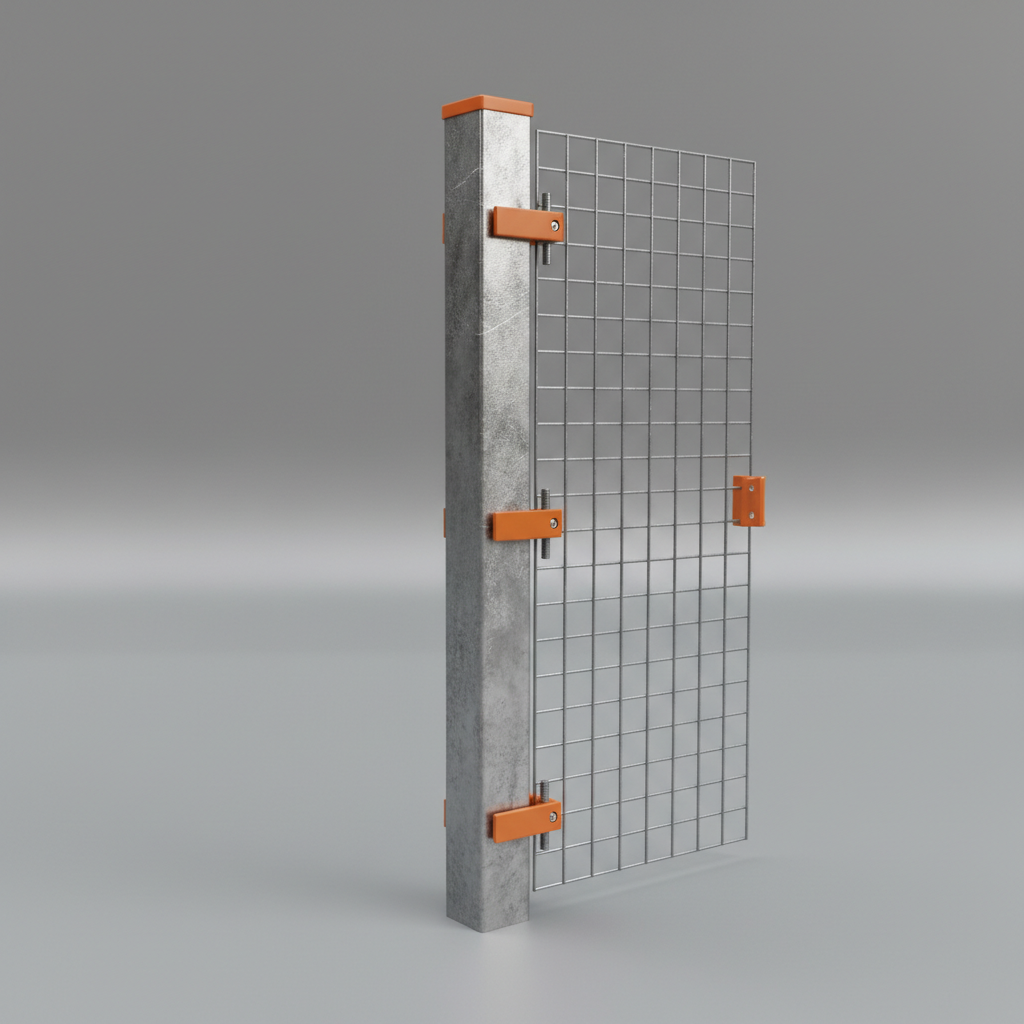
Square Post

The Core Benefits of Utilizing Square Post
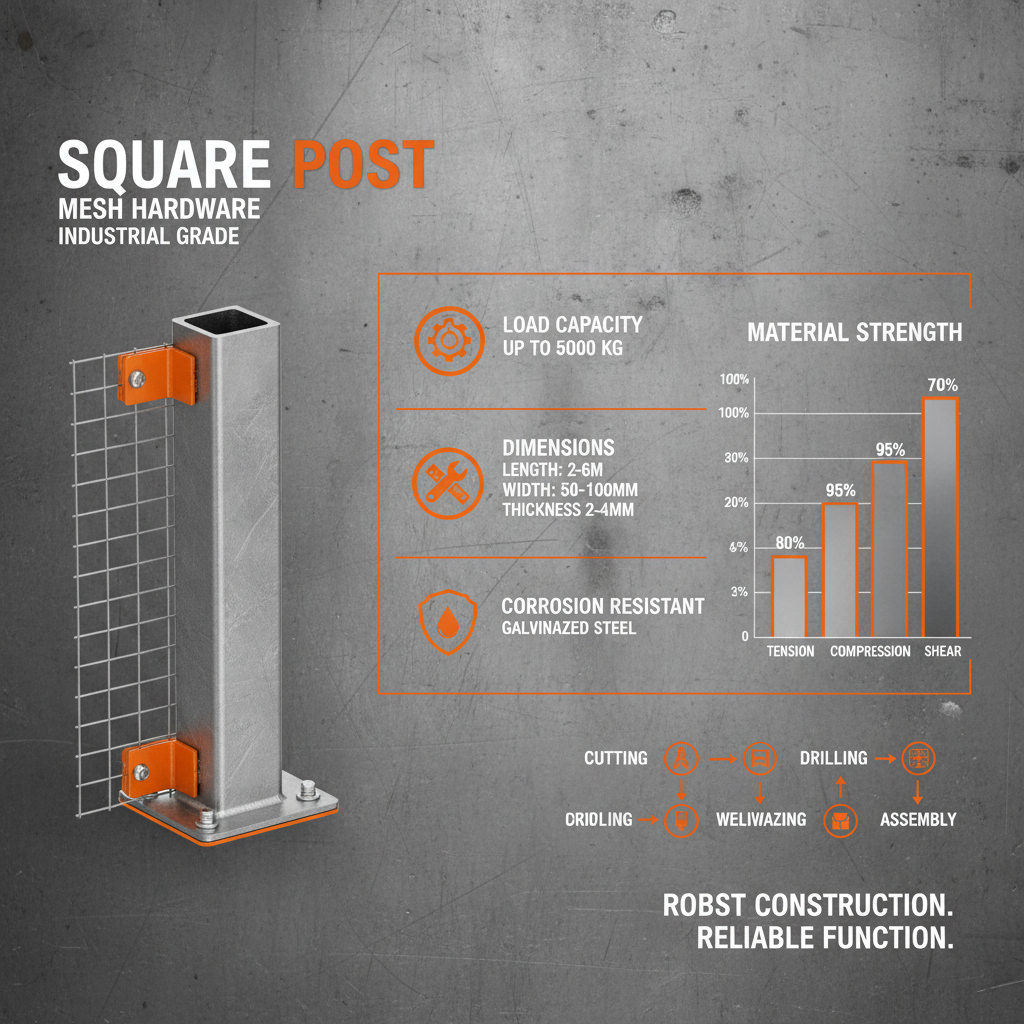
Square Post

The biggest thing I see is speed. Forget days spent prepping lumber, trying to get things square. Square Post systems arrive ready to assemble. That translates directly into reduced labor costs and faster project completion. And it’s not just speed – the precision engineering means fewer mistakes, less rework, and a more structurally sound final product.

Another crucial benefit is adaptability. These systems aren't rigid. They can be modified and customized to fit a wide range of designs and applications. You're not locked into a one-size-fits-all approach. This flexibility, coupled with the inherent strength of the steel construction, makes it ideal for a variety of building projects.

Global Relevance and Industry Adoption of Square Post

The need for rapid, reliable, and cost-effective construction is global. Whether it's disaster relief efforts in earthquake zones, building affordable housing in developing countries, or establishing infrastructure in remote industrial areas, the challenges are the same. Traditional building methods often fall short when faced with these demands. The UN estimates that millions are displaced each year due to natural disasters, creating an urgent need for temporary and permanent shelter solutions. That's where systems like Square Post come into play.

We're seeing increasing adoption across various sectors. The mining industry, for example, uses Square Post for workshops and temporary offices in remote locations. The agricultural sector is utilizing it for barns and storage facilities. And as concerns about sustainable building practices grow, the durability and recyclability of steel are becoming increasingly attractive. It's a global trend, driven by a growing need for resilience and efficiency.

The ISO standards for modular construction are also driving adoption. Building codes are starting to recognize the benefits of pre-fabricated, off-site construction techniques, and Square Post is perfectly positioned to capitalize on this shift. It’s a system built on quality and designed to meet the rigorous demands of modern construction.

Defining Square Post: A Modern Building Solution

Simply put, Square Post is a modular building system based around pre-engineered steel frames. It’s not just about the posts themselves; it’s about the entire interconnected system – the connectors, the cladding, the foundations. It’s a holistic approach to construction, designed for ease of assembly and long-term performance. It's a move away from the traditional 'stick-built' method that's been the standard for generations.

The connection to modern industry is clear. We're seeing a broader trend toward prefabrication and modularity in manufacturing, and construction is following suit. This shift is driven by the need for increased efficiency, reduced waste, and improved quality control. Square Post embodies these principles, offering a standardized, repeatable building process. It's a departure from the often-chaotic nature of traditional construction sites.

And it addresses a critical humanitarian need. When disaster strikes, time is of the essence. Getting shelter to those who need it most is paramount. Square Post systems can be rapidly deployed, providing immediate relief and a foundation for long-term recovery. This is a system that isn't just about building structures; it's about rebuilding lives.

Key Performance Indicators of Effective Square Post Implementation

When we talk about evaluating the success of Square Post, a few key factors stand out. First, Assembly Speed – how quickly can a structure be erected? We’ve seen projects completed in a fraction of the time compared to conventional methods. Second, Cost Efficiency – is it truly saving money on labor, materials, and waste? The answer is almost always yes, especially when considering the long-term costs of maintenance.

Then there’s Structural Integrity – how well does it stand up to the elements? The steel frames are engineered to withstand significant loads and harsh weather conditions. Adaptability is another crucial metric – how easily can the system be modified or expanded to meet changing needs? The modular design allows for a high degree of flexibility.

Square Post Performance Metrics

Real-World Applications: Square Post in Action

I’ve seen Square Post used extensively in disaster relief operations in Puerto Rico after Hurricane Maria. The speed with which they could erect temporary shelters was remarkable. It wasn't just about providing roofs over people's heads; it was about restoring a sense of normalcy and hope. That kind of impact is hard to quantify, but it’s incredibly important.

In remote industrial zones in Australia, mining companies are using it for on-site workshops and accommodation. The ease of transport and assembly is a huge advantage when you’re dealing with logistics challenges in those locations. And in Canada, they're being used for affordable housing projects, providing a sustainable and cost-effective alternative to traditional construction methods.

Long-Term Value and Sustainable Advantages of Square Post

Let’s talk about longevity. Steel is inherently durable, and when properly treated, it can withstand decades of exposure to the elements. That reduces the need for frequent repairs and replacements, lowering the total cost of ownership over the building's lifespan. And unlike wood, it's not susceptible to rot or insect damage. It’s a solid investment.

Then there’s the sustainability factor. Steel is one of the most recycled materials on the planet, and Square Post systems are designed with recyclability in mind. Reducing construction waste is a major priority, and this system definitely helps achieve that. It's about building responsibly and minimizing our environmental impact.

Beyond the practical benefits, there's a level of trust that comes with using a well-engineered system. Knowing that a structure is built to code, with a predictable level of performance, gives peace of mind to both the builders and the occupants. That’s a valuable intangible benefit.

Future Innovations and Addressing Challenges with Square Post

We're seeing a lot of innovation in the materials used with Square Post. New cladding options are emerging, offering improved insulation and aesthetic appeal. And the integration of smart technology – sensors for monitoring structural integrity, automated climate control systems – is becoming increasingly common. The possibilities are endless.

One challenge is addressing the initial cost perception. While the long-term benefits outweigh the upfront investment, convincing some clients can be tough. That’s where clear communication and demonstrating the value proposition is critical. We need to show them the ROI – the savings in labor, materials, and maintenance.

Another area for improvement is streamlining the permitting process. Building codes haven't always caught up with modular construction techniques, leading to delays and complications. Working with local authorities to educate them about the benefits of Square Post and advocate for more streamlined approvals is essential.

Summary of Key Challenges and Solutions for Square Post Implementation

Challenge Impact on Project Proposed Solution Implementation Timeline
Initial Cost Perception Hesitation to adopt due to higher upfront expense Comprehensive ROI analysis showcasing long-term savings Ongoing, with each client presentation
Building Code Approvals Delays in project commencement Proactive engagement with local authorities and code officials 6-12 months per region
Supply Chain Disruptions Material delays and increased costs Diversification of suppliers and strategic inventory management Ongoing, with quarterly supplier reviews
Skilled Labor Availability Difficulty finding trained installers Investment in training programs and certification for installers 12-18 months to establish a certified network
Design Customization Limits Potential restrictions on architectural flexibility Development of more versatile connectors and design tools Ongoing R&D efforts
Public Perception & Education Misconceptions about modular building quality Marketing campaigns highlighting the benefits and quality of Square Post Ongoing marketing and PR efforts

FAQS

How does Square Post compare to traditional stick-built construction in terms of long-term durability?

In my experience, Square Post actually surpasses traditional methods. The steel framing is inherently resistant to rot, pests, and fire. With proper maintenance – which is significantly less than wood – a Square Post structure can easily last for decades, if not longer. The consistency of the materials and the precision of the connections contribute to a far more reliable and long-lasting building.

What are the limitations of Square Post in terms of design flexibility?

While it's true that modular systems have some constraints, Square Post is surprisingly adaptable. The modular components can be combined in various configurations to achieve a wide range of architectural designs. We're also constantly developing new connectors and cladding options to expand the design possibilities. It might require a slightly different approach than traditional building, but it's certainly not limiting.

Is Square Post a viable solution for multi-story buildings?

Absolutely. Square Post systems are engineered to handle significant loads, and can be used for multi-story construction with appropriate foundation and structural design. We’ve seen it successfully implemented in several projects, and the speed of assembly is particularly beneficial for high-rise applications. It requires careful planning and engineering, but it's definitely feasible.

What is the typical lead time for a Square Post project compared to conventional construction?

That’s where it really shines. Because much of the work is done off-site, lead times are significantly reduced. You're looking at potentially cutting the construction schedule in half, or even more, depending on the complexity of the project. This translates to substantial cost savings and faster project delivery.

How does the cost of Square Post compare to traditional building methods?

While the initial material cost might be comparable, the overall cost is often lower with Square Post. This is due to the reduced labor requirements, faster construction timeline, and minimized waste. Plus, the long-term durability reduces maintenance costs. It’s a holistic cost analysis, and Square Post typically comes out ahead.

What kind of training is required for crews to assemble Square Post structures?

The system is designed for relatively easy assembly, but proper training is essential. We offer comprehensive training programs for installers, covering everything from basic assembly techniques to more advanced engineering principles. It’s a short learning curve, and crews can quickly become proficient in building with Square Post.

Conclusion

Square Post isn't just another building material; it’s a fundamentally different approach to construction. It addresses critical challenges facing the industry – speed, cost, durability, and sustainability – and offers a compelling solution for a wide range of applications. From disaster relief to affordable housing to remote industrial facilities, this system is proving its value in the real world.

Looking ahead, I see Square Post becoming increasingly integral to the future of construction. As building codes evolve and the demand for sustainable solutions grows, the advantages of this modular system will become even more pronounced. If you’re serious about building smarter, faster, and with a greater commitment to quality, I encourage you to explore the possibilities of Square Post. Visit our website at www.huaxinmesh.com to learn more.

David Chen

David Chen

David Chen is the Lead Application Engineer for Dingzhou Huaxin Metals Products in the United States. With a background in Materials Science and a strong focus on practical application, David works directly with customers to identify the optimal wire mesh solutions for their specific projects. He specializes in advising on
Previous HighQuality Wire Mesh for Fence Accessories
Next China Best Wire Mesh Supplier at FEICON BATIMAT

If you are interested in our products, you can choose to leave your information here, and we will be in touch with you shortly.