


Mastering Perimeter Security with a Professional 3d Model Fence
Mastering Perimeter Security with a 3D Model Fence
In the modern era of architectural planning and industrial security, the ability to visualize infrastructure before installation is a game-changer. Utilizing a 3d Model Fence allows engineers, architects, and facility managers to simulate real-world boundaries with pinpoint accuracy. By integrating digital twins of fencing systems into CAD software, stakeholders can identify potential vulnerabilities and optimize material usage long before the first post is driven into the ground. This approach not only reduces costly onsite errors but also ensures that the final installation meets strict security and aesthetic standards. Whether you are securing a high-risk industrial site or designing a residential boundary, digital modeling is the first step toward a flawless execution.
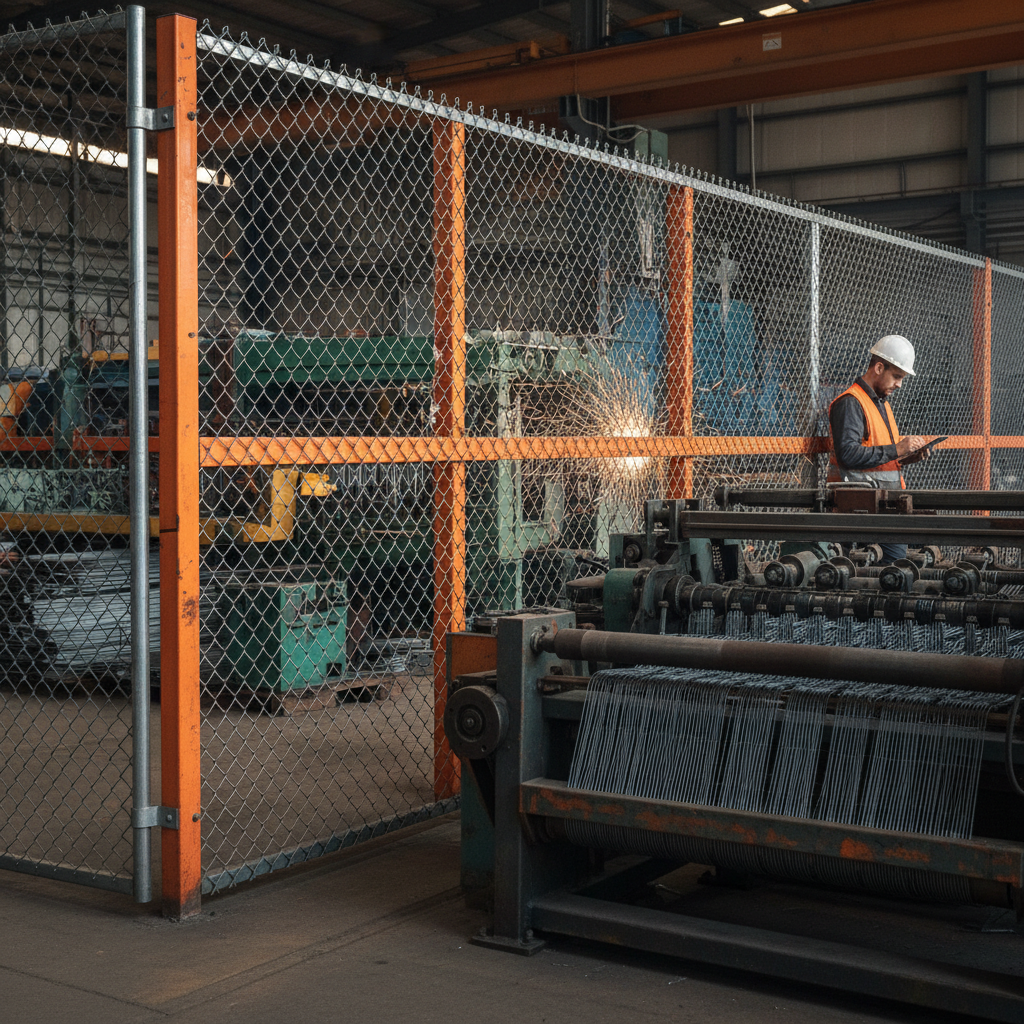
The Advantages of Digital Visualization in Fencing
Transitioning from 2D blueprints to a 3d Model Fence provides an immersive perspective that flat drawings simply cannot offer. One of the primary benefits is spatial awareness; being able to see how a fence interacts with existing topography, vegetation, and building entrances prevents installation conflicts. Furthermore, 3D models allow for the testing of different mesh densities and height variations in a virtual environment, ensuring the optimal balance between visibility and security. For procurement teams, these models generate precise bills of materials, reducing waste and streamlining the supply chain for large-scale projects.
Efficiency Tip: Using 3D BIM (Building Information Modeling) integration allows for real-time collaboration between the fence manufacturer and the site architect, cutting approval times by up to 30%.
Comparing 3D Model Fence Types for Industrial Use
Not all fencing is created equal, and choosing the right style depends heavily on the security level required. When generating a 3d Model Fence, it is essential to compare the structural properties of different options. For instance, 3D welded mesh panels offer superior rigidity and a modern look, whereas traditional chain-link provides flexibility but less deterrent value. By visualizing these options side-by-side in a digital environment, users can evaluate the "climb-ability" and impact resistance of each design. The following table highlights the key differences typically analyzed during the 3D modeling phase.
Integrating a 3D Model Fence into Site Planning
The real power of a 3d Model Fence lies in its integration with larger site plans. By overlaying the fence model onto a topographical map, engineers can determine exactly where additional supports or custom-cut panels are needed for sloped terrain. This eliminates the "guesswork" that often leads to material waste. Furthermore, digital models can be used to perform sightline analysis, ensuring that security cameras have an unobstructed view of the perimeter and that there are no blind spots created by the fence structure itself.
Technical Specifications for High-Quality Fencing
When translating a digital 3d Model Fence into a physical product, the technical specifications must be rigorous. The structural integrity of the fence depends on the wire gauge, the quality of the welding, and the protective coating used. For industrial environments, hot-dip galvanization combined with a powder coating is the gold standard for corrosion resistance. Below are the standard specifications typically used in professional 3D modeling for industrial mesh fencing to ensure the virtual model matches the physical reality.
Future Trends: Smart Fencing and Digital Integration
The evolution of the 3d Model Fence is moving toward "Smart Perimeters." We are now seeing the integration of IoT sensors and AI-driven surveillance directly into the digital design phase. By modeling sensor placement in 3D, security experts can simulate "intrusion events" to test the response time of security personnel. This synergy between digital modeling and physical hardware ensures that the perimeter is not just a physical barrier, but an active part of a comprehensive security ecosystem. As augmented reality (AR) becomes more accessible, installers will soon be able to project the 3D model onto the physical terrain in real-time, ensuring 100% alignment with the design.
Conclusion: Precision Planning for Maximum Security
Integrating a 3d Model Fence into your project workflow is no longer a luxury—it is a necessity for professional security infrastructure. From reducing material waste to enhancing visual communication between stakeholders, the benefits of digital modeling are undeniable. By combining precise 3D visualization with high-grade industrial materials, you can create a perimeter that is secure, durable, and aesthetically pleasing. Invest in the planning phase today to avoid the costly mistakes of tomorrow.
Frequently Asked Questions (FAQs)
How does a 3D model help in reducing the cost of fence installation?
A 3D model reduces costs by eliminating guesswork and reducing material waste. In traditional planning, errors in measuring slopes or obstacles often lead to the wrong size of panels being ordered or the need for expensive onsite modifications. With a precise digital model, every component is accounted for, and the "Bill of Materials" is accurate. This ensures that you order exactly what is needed, reducing shipping costs and labor hours spent fixing errors. Furthermore, it allows for the optimization of post placement, potentially reducing the total amount of hardware required without compromising security.
Which software is best for creating a 3D Model Fence?
Depending on the project scale, different software may be used. For detailed architectural integration, BIM software like Autodesk Revit or ArchiCAD is ideal as it allows the fence to exist within a larger building ecosystem. For pure industrial design and manufacturing, AutoCAD 3D or SolidWorks provides the precision needed for fabrication. For those needing a quick visual representation for client presentations, SketchUp is a popular and intuitive choice. The key is to use software that can export accurate dimensions to the manufacturer to ensure the physical product matches the digital design perfectly.
Can 3D models be used to test the security strength of a fence?
Yes, advanced 3D modeling can be paired with Finite Element Analysis (FEA) software to simulate physical stress. Engineers can apply virtual loads to a 3D model of the fence to see where the structure is most likely to fail under pressure, such as during a vehicle impact or an attempted breach. This allows designers to reinforce specific areas—such as adding thicker posts or stronger brackets—without having to over-engineer the entire perimeter. This data-driven approach ensures maximum security with the most efficient use of materials, providing peace of mind for high-security installations.
Is a 3D model necessary for small-scale residential fencing?
While not always mandatory for small projects, a 3D model is highly beneficial for residential clients who struggle to visualize the final result. It allows homeowners to experiment with different colors, heights, and styles (such as privacy vs. open mesh) before committing to a purchase. More importantly, for residential areas with complex landscaping or irregular property lines, a digital model ensures that the fence complies with local zoning laws and does not encroach on neighboring properties, avoiding potential legal disputes and costly re-installations.


