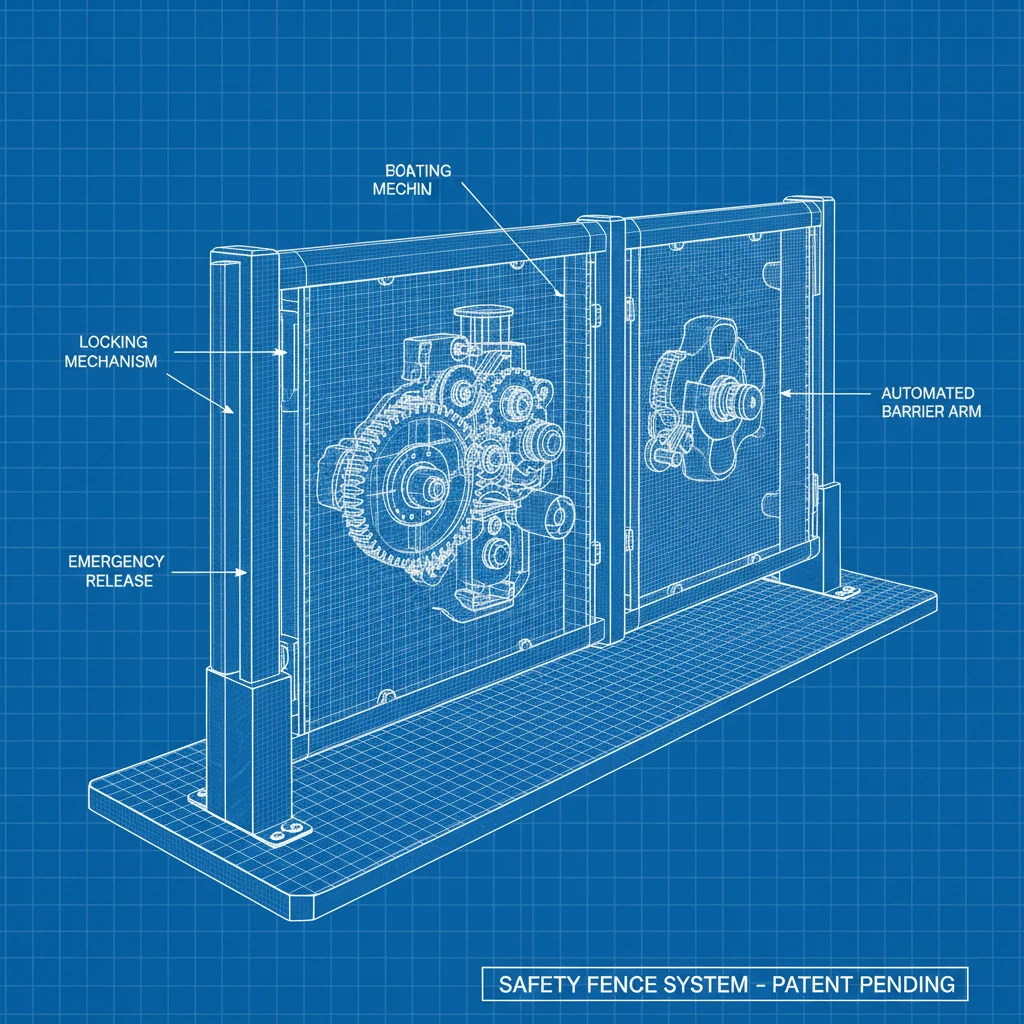
Steel Fence plays a crucial role in modern infrastructure, providing security, demarcation, and aesthetic appeal across a diverse range of applications. Globally, the demand for robust and reliable fencing solutions is driven by factors such as increasing urbanization, heightened security concerns, and growing investment in infrastructure projects. Understanding the intricacies of Steel Fence – from material selection to installation techniques – is paramount for ensuring long-term performance and cost-effectiveness.
Within the manufacturing sector, specifically metal products for construction and safety – notably steel wire rope and its products – Steel Fence represents a significant segment. Innovations in steel alloys and coating technologies are constantly improving the durability and corrosion resistance of these fences, allowing them to withstand harsh environmental conditions and provide lasting protection. This is particularly critical in regions prone to extreme weather or industrial pollution.
The market for Steel Fence is projected to continue its growth trajectory, fueled by ongoing infrastructure development in emerging economies and the replacement of aging fencing systems in developed countries. Recognizing the nuances of steel fence specifications, standards, and quality control is essential for both suppliers and end-users seeking optimal results. We at Huaxinmesh are dedicated to providing high-quality Steel Fence solutions tailored to specific project needs.
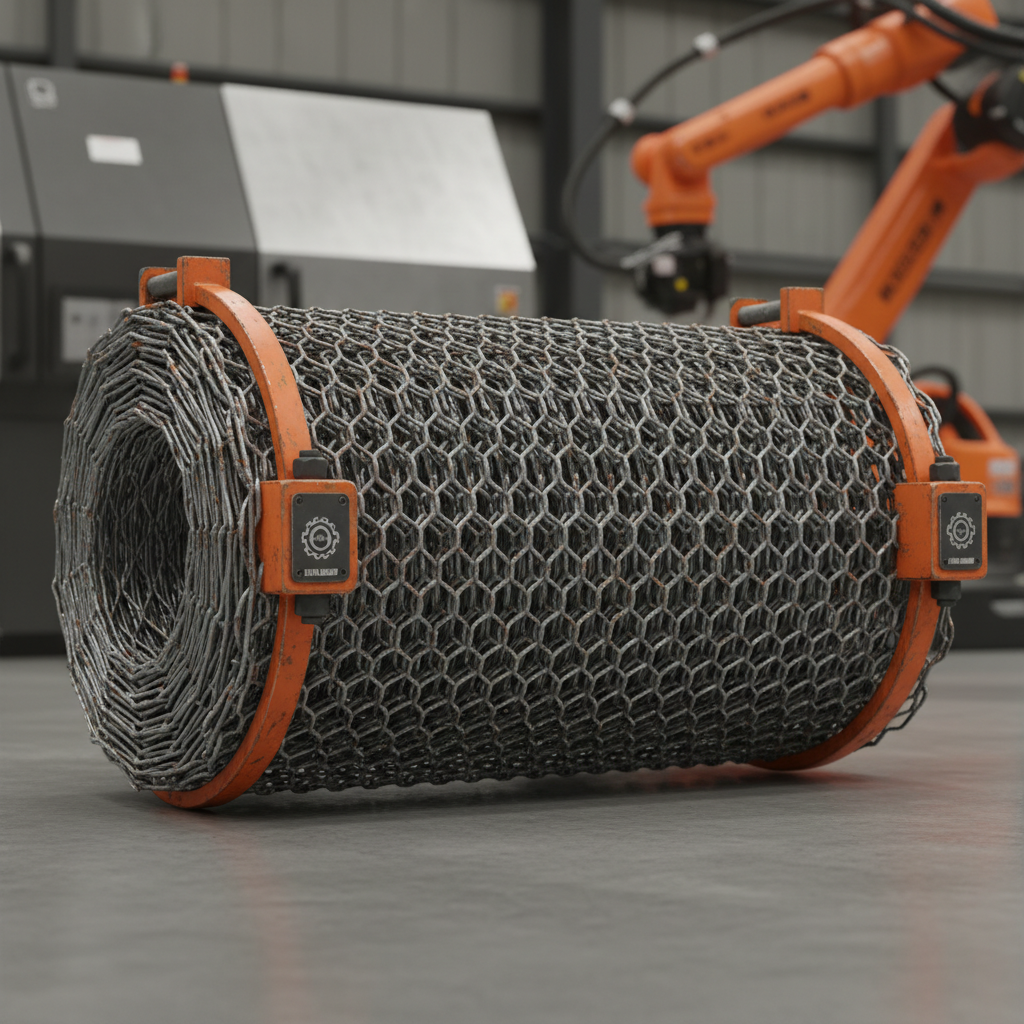
The Importance of Steel Fence in Modern Infrastructure
Steel Fence isn't simply a barrier; it's a critical component of modern infrastructure, providing essential security, property delineation, and even aesthetic enhancement. From protecting vital industrial facilities to safeguarding residential properties, its versatility and strength make it an indispensable element in countless applications. The global infrastructure market, valued at trillions of dollars, consistently relies on effective fencing solutions, and Steel Fence stands as a cornerstone of this sector.
The increasing demand for secure perimeters, driven by rising concerns about safety and property protection, is a primary driver of the Steel Fence market. This demand extends beyond traditional applications, encompassing high-security installations such as airports, correctional facilities, and government buildings. Furthermore, the adoption of Steel Fence is rising in areas with growing urbanization and industrialization, where property boundaries require clear definition and robust protection.
Defining Steel Fence: Components and Classifications
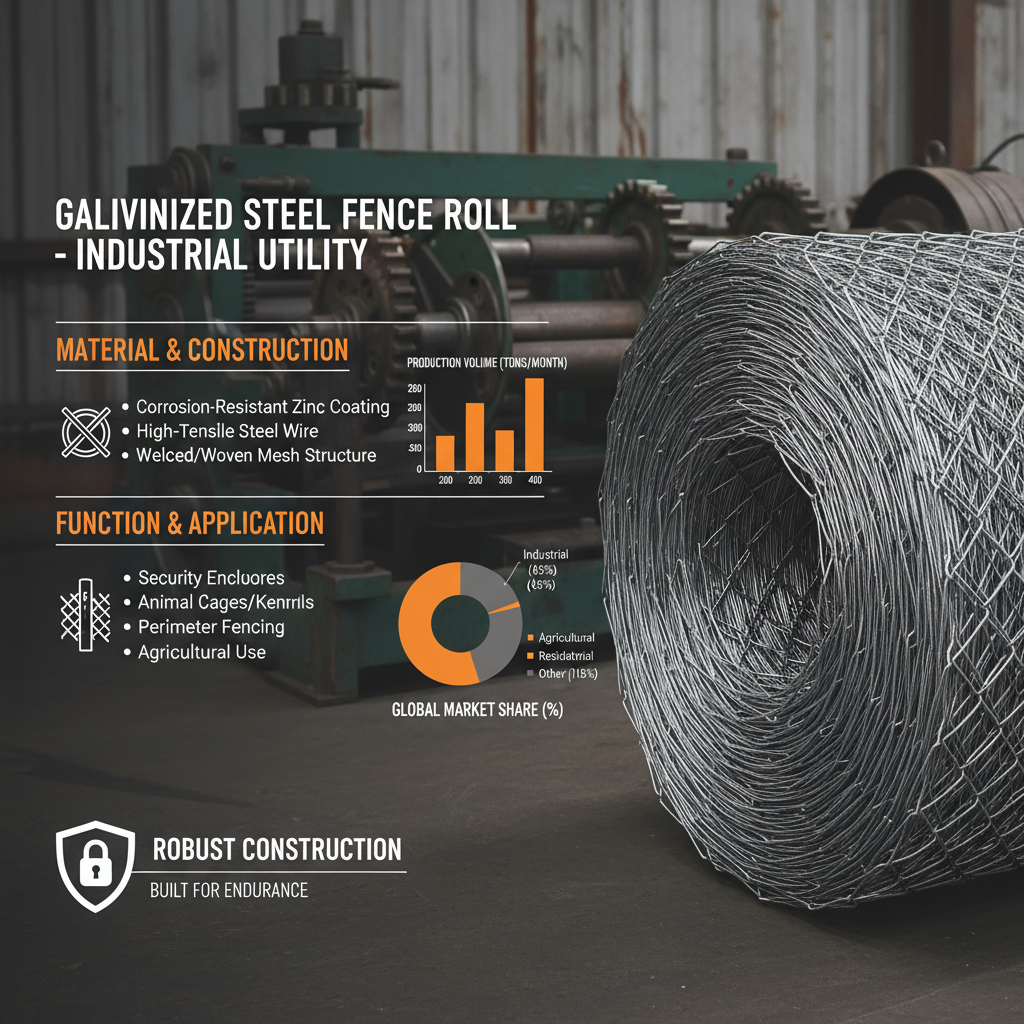
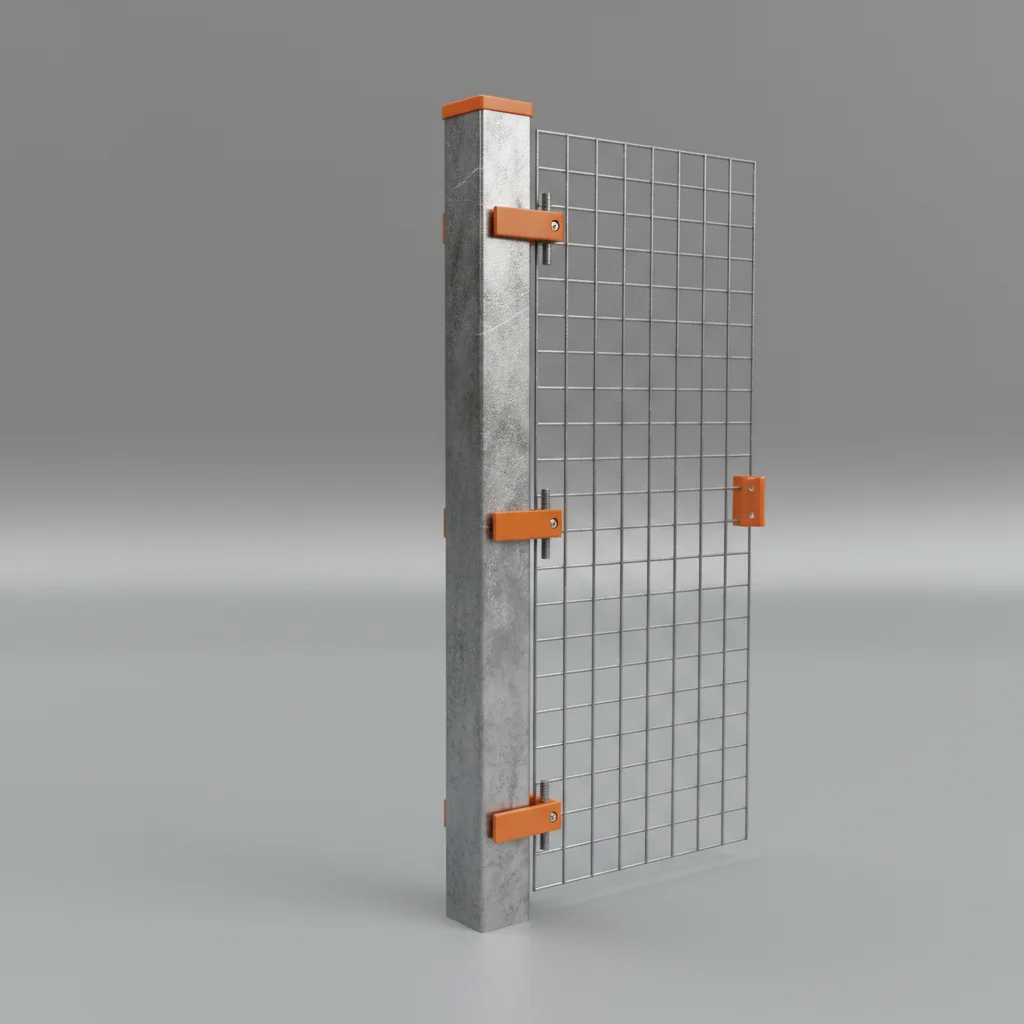
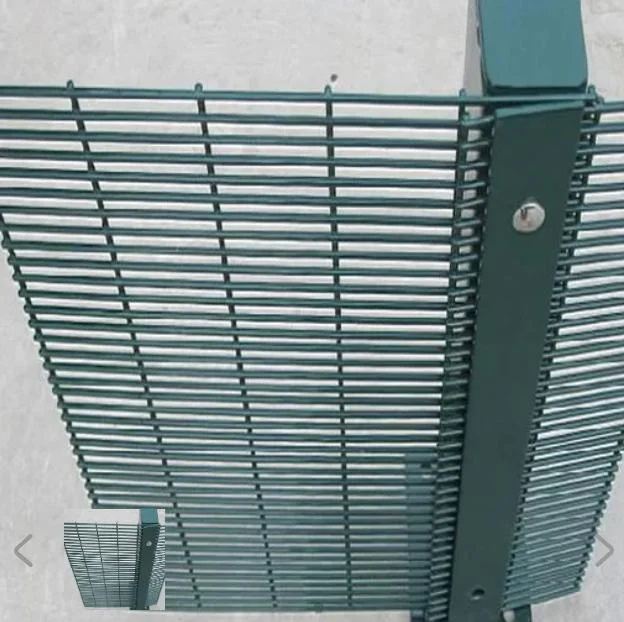
Steel Fence, at its core, is a perimeter security system constructed from various types of steel – typically carbon steel, galvanized steel, or stainless steel – and fabricated into a network of interconnected panels, posts, and accessories. The specific components and construction methods vary depending on the intended application and desired level of security. Common types include chain-link fence, welded wire mesh fence, palisade fence, and ornamental steel fence. Each type offers unique characteristics in terms of strength, cost, and aesthetic appeal.
Classifying Steel Fence can be approached in several ways. By material, we distinguish between carbon steel (most common, cost-effective), galvanized steel (corrosion-resistant), and stainless steel (highest corrosion resistance, premium cost). By construction, we have woven (chain-link), welded (wire mesh), and rigid (palisade). By application, Steel Fence can be categorized as security fencing, agricultural fencing, or decorative fencing.
Understanding these classifications is crucial for selecting the appropriate Steel Fence solution for a specific project. Factors like climate, soil conditions, security requirements, and aesthetic preferences must all be considered to ensure optimal performance and longevity. Steel Fence design also considers coating processes like PVC coating and powder coating to further enhance durability and aesthetics.
Key Attributes of High-Quality Steel Fence
Several key attributes define a high-quality Steel Fence. Durability is paramount, ensuring the fence can withstand environmental factors like corrosion, weathering, and physical impact. This is directly related to the quality of the steel used, the effectiveness of any protective coatings, and the integrity of the fabrication process. Properly constructed Steel Fence will provide years of reliable service with minimal maintenance.
Strength and security are also critical. The gauge (thickness) of the steel wire, the mesh size (for wire mesh fences), and the post spacing all contribute to the fence’s ability to resist intrusion and provide effective perimeter protection. Furthermore, the design of the fence – such as the presence of anti-climb features – can significantly enhance its security capabilities.
Finally, proper installation is essential for maximizing the performance and lifespan of a Steel Fence. This includes ensuring the posts are securely anchored in the ground, the panels are correctly aligned, and all connections are properly fastened. Professional installation guarantees the fence will function as intended and provide lasting security and peace of mind.
Practical Applications of Steel Fence Across Industries
The versatility of Steel Fence makes it suitable for a wide range of applications across diverse industries. In the agricultural sector, it’s used to contain livestock, protect crops, and define property boundaries. Industrial facilities rely on Steel Fence to secure perimeters, protect valuable equipment, and restrict unauthorized access.
In the construction industry, Steel Fence serves as temporary site security during building projects and provides permanent perimeter protection for completed structures. Residential properties utilize Steel Fence for privacy, security, and aesthetic enhancement. Government and military installations require high-security Steel Fence to protect critical infrastructure and personnel.
Steel Fence Application by Industry
Long-Term Value and Advantages of Steel Fence
Investing in Steel Fence offers numerous long-term benefits beyond immediate security. Its inherent durability translates to lower maintenance costs and a longer service life compared to alternative fencing materials like wood or vinyl. This reduces the total cost of ownership over time and minimizes the need for frequent repairs or replacements.
Furthermore, Steel Fence often increases property value by enhancing security and aesthetic appeal. Its robust construction provides peace of mind, knowing that your property is well-protected against intrusion and damage. Choosing Steel Fence demonstrates a commitment to safety and security, which can be a significant selling point for potential buyers.
Future Trends and Innovations in Steel Fence Technology
The Steel Fence industry is constantly evolving, driven by advancements in materials science and manufacturing techniques. One key trend is the development of high-strength, lightweight steel alloys that offer superior corrosion resistance and improved security. Another is the integration of smart technologies, such as sensors and alarm systems, into Steel Fence designs to provide real-time monitoring and intrusion detection.
Sustainability is also becoming increasingly important, with manufacturers exploring eco-friendly coating options and utilizing recycled steel materials. These innovations aim to reduce the environmental impact of Steel Fence production and disposal. Furthermore, advancements in automation and robotics are streamlining the manufacturing process, leading to lower costs and faster turnaround times.
Digitalization plays a key role, with BIM (Building Information Modeling) increasingly used to design and visualize Steel Fence installations, ensuring seamless integration with overall project plans.
Common Challenges and Solutions in Steel Fence Implementation
Despite its numerous advantages, implementing Steel Fence can present certain challenges. Corrosion is a major concern, particularly in coastal environments or areas with high levels of industrial pollution. This can be mitigated by utilizing galvanized steel or stainless steel, applying protective coatings, and conducting regular maintenance inspections.
Another challenge is ensuring proper installation, as even the highest-quality fence can be compromised by inadequate foundations or incorrect assembly. Employing experienced and certified installers is crucial for achieving optimal performance and longevity. Proper soil analysis and post anchoring techniques are essential.
Finally, cost can be a barrier, particularly for large-scale projects. Careful planning, material selection, and negotiation with suppliers can help minimize costs without compromising quality. Steel Fence from Huaxinmesh offers competitive pricing without sacrificing durability or security.
Summary of Challenges and Solutions for Effective Steel Fence Implementation
| Challenge |
Impact on Steel Fence |
Solution |
Implementation Cost (1-10) |
| Corrosion |
Reduced lifespan, structural weakness |
Galvanized/Stainless Steel, Protective Coatings |
6 |
| Improper Installation |
Compromised Security, Fence Failure |
Certified Installers, Soil Analysis |
8 |
| High Initial Cost |
Budget Constraints, Project Delays |
Value Engineering, Supplier Negotiation |
5 |
| Vandalism/Damage |
Security Breaches, Repair Costs |
Anti-Climb Features, Regular Inspections |
7 |
| Uneven Terrain |
Installation Difficulties, Structural Instability |
Terracing, Stepwise Installation |
4 |
| Material Availability |
Project Delays, Increased Costs |
Reliable Suppliers, Advance Ordering |
3 |
FAQS
A properly maintained galvanized Steel Fence can typically last between 20 to 30 years, depending on environmental conditions. Coastal areas with high salt content will reduce lifespan, while inland areas with milder climates may see it last even longer. Regular inspection and re-coating when necessary can extend the life of the fence significantly. The quality of the galvanization process itself also plays a vital role.
Stainless steel offers exceptional corrosion resistance, making it ideal for harsh environments. While more expensive than galvanized steel, it requires minimal maintenance and provides a premium aesthetic. Stainless steel is also incredibly strong and durable, making it a long-term investment. Applications demanding the highest level of corrosion protection, like near saltwater, justify the added cost.
It’s recommended to inspect a Steel Fence at least twice a year – once in the spring and once in the fall. Look for signs of corrosion, damage to the coating, loose connections, and any areas where the fence has been compromised. Addressing minor issues promptly can prevent them from escalating into major repairs. Keep records of all inspections and maintenance performed.
Preventing corrosion involves several steps. Using galvanized or stainless steel is the primary defense. Regularly cleaning the fence to remove dirt and debris helps. Applying a protective coating, such as paint or epoxy, can provide an additional barrier. Also, ensuring proper drainage around the fence can prevent water from pooling and accelerating corrosion.
Installing a Steel Fence on sloped terrain requires careful planning and execution. Stepped installation, following the contour of the land, is often the most effective approach. Ensuring proper post anchoring is crucial to prevent the fence from shifting or collapsing. Terracing the slope to create a level base can also provide a more stable foundation.
Before installing a Steel Fence, it’s essential to check with your local building department to determine if any permits are required and to understand the applicable codes and regulations. These may include height restrictions, setback requirements, and specific fencing materials. A reputable fencing contractor will be familiar with local codes and ensure compliance.
Conclusion
Steel Fence remains a vital component of infrastructure security and property protection. Its inherent durability, versatility, and cost-effectiveness make it a preferred choice across a wide range of industries. By understanding the key attributes of high-quality Steel Fence, the potential challenges, and the latest innovations, you can make informed decisions that ensure long-term performance and value.
Looking ahead, continued advancements in materials science and smart technologies will further enhance the capabilities of Steel Fence. Prioritizing sustainable practices and responsible sourcing will also become increasingly important. For reliable, high-quality Steel Fence solutions, visit our website today and let our experts help you find the perfect fit for your needs.