

Professional Euro Fence supplier for Industrial Security Systems
Introduction
When sourcing perimeter security, the selection of a Euro Fence supplier often determines the long-term viability of an industrial or commercial installation. Many buyers focus solely on the initial cost per meter, yet the actual value lies in the synergy between material grade, coating thickness, and the structural integrity of the mesh weaving. For those managing large-scale sites, the difference between a standard wire fence and a precision-engineered system is measured in years of reduced maintenance and enhanced security.
The complexity of modern fencing requirements means that a supplier must offer more than just raw materials. Integrating high-performance solutions—such as stainless steel mesh for corrosive environments or galvanized systems for rural boundaries—requires a technical understanding of how environmental stressors affect metal fatigue. This is where the relationship between the supplier's production capacity and the buyer's specific site conditions becomes the critical factor in preventing premature rust and structural failure.
Navigating the global market for industrial wire products requires a clear framework for evaluating manufacturer capabilities. By analyzing production scales, material certifications, and logistical efficiency, procurement managers can secure systems that balance cost-effectiveness with industrial-grade durability. This guide examines the technical benchmarks and selection criteria essential for partnering with a professional Euro Fence supplier to ensure project longevity.

Fundamentals of Industrial Fencing Systems

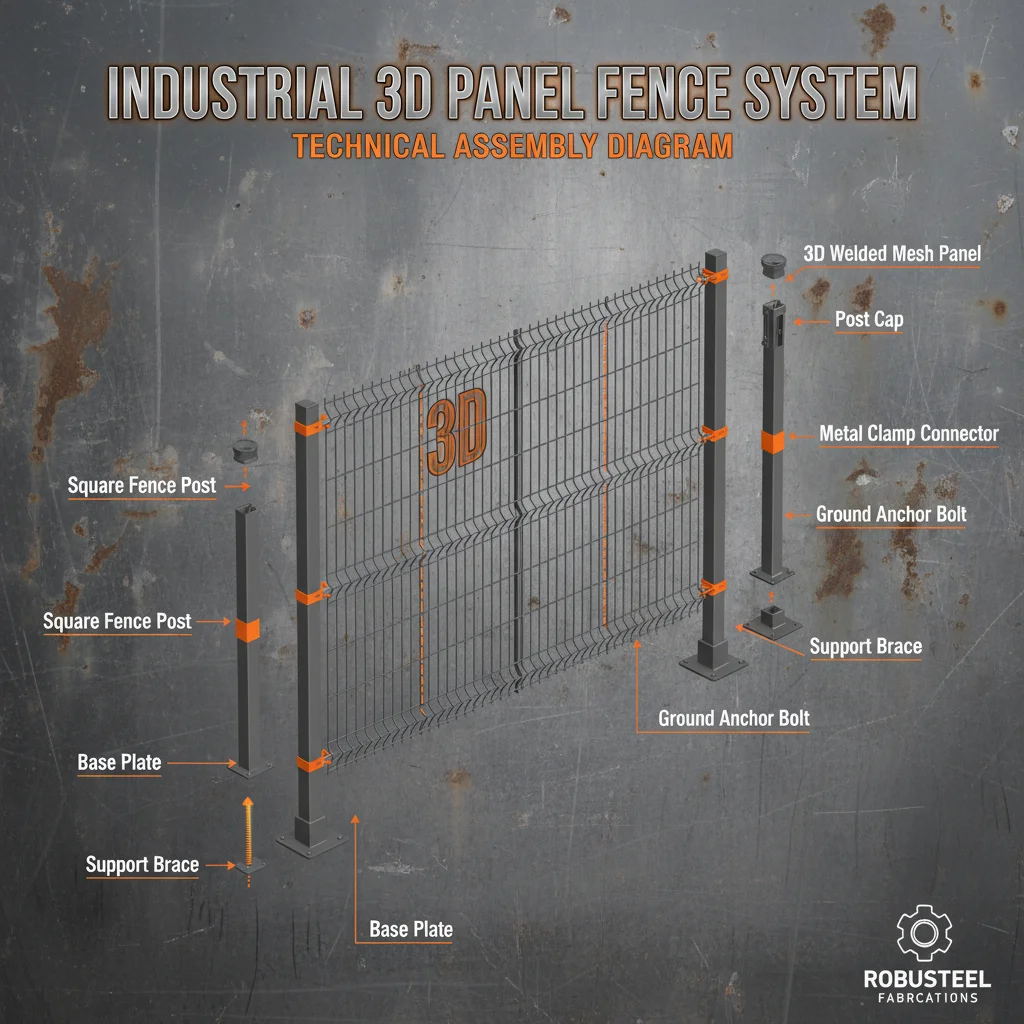
Industrial fencing is more than a physical barrier; it is a engineered system designed to withstand specific mechanical loads and environmental degradation. A professional system typically comprises the wire mesh, post systems, and specialized fasteners, all working in unison to distribute tension across the perimeter. The effectiveness of these systems depends heavily on the wire drawing process and the consistency of the mesh weaving, which prevents sagging and structural warping over time.
At the manufacturing level, the integration of wire drawing, hot-dip galvanizing, and electro-galvanizing determines the base resistance of the product. For instance, the ability to produce annual outputs of thousands of tons of wire ensures that a supplier can maintain material consistency across large project batches, reducing the risk of mixing different wire gauges or coating weights in a single installation.
Technical Parameters for Material Durability
The durability of a fencing system is primarily governed by the chemical composition of the steel and the quality of its protective layer. For high-corrosion environments, stainless steel grades such as 304, 316, and 316L are essential due to their chromium and nickel content, which forms a passive oxide layer protecting the metal from oxygen and moisture. The mesh size, ranging from 1 to 635 mesh, and wire diameters from 0.2mm to 2.0mm, must be precisely matched to the security level required for the specific site.
Maximum structural longevity is achieved when the material grade—such as 316L stainless steel—is paired with a precise weave type (plain, twill, or dutch) that minimizes stress points at the wire intersections, thereby preventing localized oxidation and mechanical failure.
Beyond the raw material, the galvanization process plays a pivotal role. Hot-dip galvanizing provides a thick, rugged zinc layer that offers sacrificial protection to the underlying steel, making it ideal for outdoor agricultural or industrial boundaries. Electro-galvanizing, while providing a smoother finish, is better suited for indoor or low-moisture environments where aesthetic uniformity is prioritized over extreme weather resistance.
Evaluating the Lifecycle Value of Metal Mesh
Evaluating the cost of a fencing system requires moving beyond the "price per roll" mentality and focusing on the Total Cost of Ownership (TCO). A lower-cost galvanized mesh may seem attractive initially, but if the zinc coating is uneven or too thin, the system may require partial replacement every five years. In contrast, a high-grade stainless steel system, while possessing a higher initial investment, can last decades without significant degradation, drastically lowering the long-term maintenance budget.
True value in wire mesh procurement is found at the intersection of material specification and application environment; choosing a 304-grade mesh for a coastal project is a failure of value, whereas utilizing 316L ensures a lifecycle that eliminates the need for repeated recoating or replacement.
Furthermore, the ease of installation and the stability of the post system contribute to the overall value. Systems that utilize standardized fence post systems and high-quality iron wire materials reduce labor hours during deployment. When a supplier provides a complete system—including gates and support stakes—the risk of component incompatibility is removed, ensuring that the tension remains uniform across the entire boundary.
Comparative Analysis of Wire Mesh Grade Performance
When comparing different materials, the primary metrics are corrosion resistance, tensile strength, and temperature tolerance. Stainless steel (304/316) outperforms galvanized steel in chemical resistance, making it the only viable option for filtration or industrial processing areas. However, for vast perimeters like livestock enclosures or warehouse boundaries, galvanized steel offers the best balance of strength and cost.
The following data represents a relative performance comparison based on typical industrial benchmarks for material longevity and resistance across common wire mesh types used in security and architectural applications.
Material Resistance Rating (Relative Scale 1-100)
Critical Application Scenarios for Security Fencing
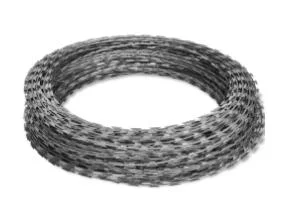
Security fencing is not a one-size-fits-all product; the application dictates the material. For high-security zones, razor barbed wire and heavy-duty wire mesh products are integrated to create a multi-layered deterrent. These installations are common in correctional facilities, military bases, and critical infrastructure sites where preventing unauthorized entry is the primary objective. In these cases, the tensile strength of the wire and the depth of the galvanization are non-negotiable specifications.
Conversely, landscape support stakes and decorative fence gates are used in commercial plazas and residential developments. Here, the focus shifts toward the architectural finish and the precision of the weaving. Stainless steel mesh is often employed for its aesthetic appeal and resistance to urban pollutants, providing a clean, modern look that does not sacrifice the security of the property. The ability to customize mesh sizes (from 1 to 635 mesh) allows architects to balance transparency with protection.
Future Directions in Protective Wire Technology
The industry is moving toward "smart" perimeter solutions where the physical mesh is integrated with sensor technology. While the core remains high-quality metal—such as hot-dip galvanized or stainless steel—the way these materials are manufactured is evolving. There is an increasing demand for wires with higher alloy precision to reduce weight without compromising tensile strength, allowing for faster installation of large-scale fencing systems.
Sustainability is also becoming a driver in material selection. The shift toward more efficient galvanizing processes that reduce zinc waste and the use of recyclable stainless steel grades are becoming industry standards. Suppliers are now focusing on the total environmental footprint of the production cycle, from wire drawing to final packaging, to meet the green procurement requirements of global corporate clients.
Moreover, the rise of modular fencing systems is changing the logistics of deployment. By standardizing the interaction between fence post systems and mesh panels, companies can reduce on-site welding and cutting, which minimizes the risk of exposing the raw steel to the elements before the protective coating is restored. This modularity increases the speed of installation and ensures a more consistent security perimeter.
Overcoming Common Procurement and Installation Challenges
One of the most frequent challenges in procurement is the "specification gap," where the delivered product does not match the site's environmental reality. For example, using 201-grade stainless steel in a salt-heavy coastal area leads to rapid pitting. The solution is a rigorous audit of the supplier's material certifications and a clear alignment between the engineer's requirements and the factory's production capabilities.
Installation errors, such as improper tensioning, can lead to permanent deformation of the wire mesh. This is often caused by using inferior fence post systems that cannot support the load of the mesh. Ensuring that the posts and the mesh are sourced from a single integrated manufacturer reduces these risks, as the components are designed to work together under specific load parameters.
Finally, logistical delays can compromise project timelines. Partnering with a supplier that manages the entire chain—from wire drawing to transport—minimizes the risk of bottlenecks. A facility with a dedicated production base and a history of exporting to over 100 countries typically possesses the logistical maturity to handle bulk orders without compromising on lead times.
Material Selection Guide for Different Environments
| Environment | Recommended Material | Primary Benefit | Expected Lifespan |
|---|---|---|---|
| Coastal / Marine | SS 316L / 321 | Chloride Resistance | 25+ Years |
| Industrial Chemical | SS 304 / 316 | Acid/Alkali Stability | 20+ Years |
| Rural / Agricultural | Hot-Dip Galvanized | Cost-Effective Durability | 10-15 Years |
| Indoor Commercial | Electro-Galvanized | Aesthetic Uniformity | 10+ Years |
| High-Security Perimeter | Galvanized + Razor | Maximum Deterrence | 15+ Years |
| Architectural / Decor | SS 201 / 304 | Visual Appeal | 15-20 Years |
Frequently Asked Questions
The primary difference is the addition of molybdenum in 316 stainless steel, which significantly increases its resistance to chlorides and marine environments. While 304 is excellent for general industrial and architectural use, 316 is required for coastal areas or chemical processing plants to prevent pitting and corrosion.
Mesh size should be determined by the specific threat level and the intended purpose. For high-security deterrence, smaller mesh apertures are used to prevent climbing and cutting. For architectural or filtration purposes, the mesh size (ranging from 1 to 635) is chosen based on the required transparency or the size of the particles being filtered.
Hot-dip galvanizing creates a much thicker layer of zinc that bonds chemically to the steel, providing superior sacrificial protection against rust. Electro-galvanizing produces a thinner, more decorative layer that is more susceptible to weathering, making it unsuitable for harsh outdoor or rural environments.
Yes, and it is highly recommended. Integrated suppliers who manage wire drawing, weaving, and post production ensure that the components are perfectly compatible. This reduces installation errors and ensures that the tensioning hardware is rated for the specific gauge of the wire mesh being used.
Lead times vary based on the complexity of the weave and the volume of galvanizing required. However, suppliers with a large production base (e.g., 15,000 m²) and integrated logistics can typically offer more stable timelines. It is essential to verify the supplier's annual output capacity to ensure they can handle bulk orders without delays.
Stainless steel is low-maintenance, but periodic cleaning with water or a mild detergent is recommended to remove surface salts and pollutants, especially in coastal areas. This prevents "tea staining" and maintains the passive oxide layer that protects the metal from deep corrosion.
Conclusion
Securing a perimeter requires a strategic balance between material science and practical application. As analyzed, the transition from basic galvanized wire to high-grade stainless steel options like 316L can fundamentally change the lifecycle cost and security profile of a project. The key to success lies in partnering with a manufacturer that possesses integrated production capabilities—from drawing and weaving to galvanizing—ensuring that every meter of fencing meets rigorous industrial standards.
For procurement managers and engineers seeking reliable, high-capacity wire mesh solutions tailored to specific environmental challenges, professional guidance is essential. By focusing on technical specifications and verified manufacturer capacity, you can ensure your infrastructure remains secure for decades. We invite you to explore our full range of industrial fencing and wire mesh solutions at https://www.fence-wire.com to find the optimal configuration for your next project.