In the demanding world of agricultural management, securing livestock and defining clear property boundaries are critical for operational success. A professional-grade Stock Fence serves as more than just a physical barrier; it is a strategic investment in animal welfare and asset protection. By utilizing high-tensile materials and specialized weaving patterns, these systems ensure that livestock remain safely contained while minimizing the risk of injury or escape.
Globally, the demand for durable fencing solutions has surged as farmers strive for greater efficiency in land use and livestock rotation. The challenge lies in finding a balance between structural strength and cost-effectiveness, especially when dealing with diverse terrains and varying animal sizes. From cattle ranching in vast plains to sheep farming in rugged highlands, the right containment system reduces labor costs and prevents costly livestock losses.
Modern agricultural engineering has evolved to provide tailored solutions, such as our premium Stock Fence, which incorporates a graduated mesh design. This innovative approach addresses the specific needs of farmers by providing tighter security at the bottom for smaller animals and open spacing at the top for larger livestock, ensuring maximum utility across extensive land stretches.

The Engineering Logic of Stock Fence Design
The primary engineering objective of a high-performance Stock Fence is to manage animal behavior through structural geometry. Our graduated mesh design is a prime example of this, featuring narrower openings at the bottom that gradually widen toward the top. This ensures that smaller livestock or opportunistic animals cannot crawl through the base, while the wider upper sections maintain structural lightness and visibility.
This strategic spacing not only enhances containment but also reduces the overall weight of the fence rolls, making transport and deployment significantly more efficient. By optimizing the wire distribution, the system provides targeted strength where pressure is most likely to be applied, ensuring the fence does not sag or deform under the weight of leaning cattle.
Material Composition and Durability Standards
The longevity of any boundary system depends entirely on its raw material purity. Our fencing is manufactured using premium iron wire materials, specifically selected for their high tensile strength and consistency. This prevents the common issue of "weak spots" in the weave, which often lead to breakage when animals put sudden pressure against the wire.
To combat the inevitable wear and tear of outdoor environments, the materials undergo rigorous testing for tensile strength and coating adhesion. By adhering to international quality standards, we ensure that the wire maintains its structural integrity even when subjected to extreme temperature fluctuations and physical impact from livestock.
Furthermore, the use of high-tensile steel allows for a thinner wire profile without sacrificing strength. This results in a fence that is less intrusive to the landscape but offers superior resistance to stretching, which is a critical factor in maintaining a secure perimeter over several years.
Functional Applications in Modern Agriculture
A versatile Stock Fence is essential for various farming operations, ranging from cattle ranching to sheep and goat containment. The ability to choose from different heights, such as 1.0m for smaller boundaries or 2.03m for high-security livestock areas, allows farmers to tailor their perimeter based on the specific species they are managing.
In professional boundary marking, the clear visibility of the woven structure is a major advantage. It allows for easy monitoring of animals across vast acreage without the visual obstruction caused by solid walls or dense chain-link systems, making the Stock Fence an ideal choice for landscape integration.
Beyond livestock, these systems are frequently used for agricultural boundary marking and the creation of safe zones within a property. The combination of durability and ease of installation makes them a preferred choice for rapid deployment in remote industrial zones or expanding farm estates.
Performance Comparison and ROI Analysis
When comparing a premium woven system to standard wire fences, the most significant difference is the lifespan and maintenance requirement. Standard fences often require frequent repairs due to sagging or rust, whereas a high-grade Stock Fence is engineered for long-term asset value, typically lasting 10 to 15 years compared to the 3 to 5 years of basic options.
The return on investment (ROI) is realized through reduced labor costs and the elimination of livestock loss. While the initial investment may be higher, the durability of the coatings and the strength of the graduated mesh significantly lower the total cost of ownership over the decade.
Efficiency Rating of Different Fencing Systems
Installation Best Practices for Maximum Tension
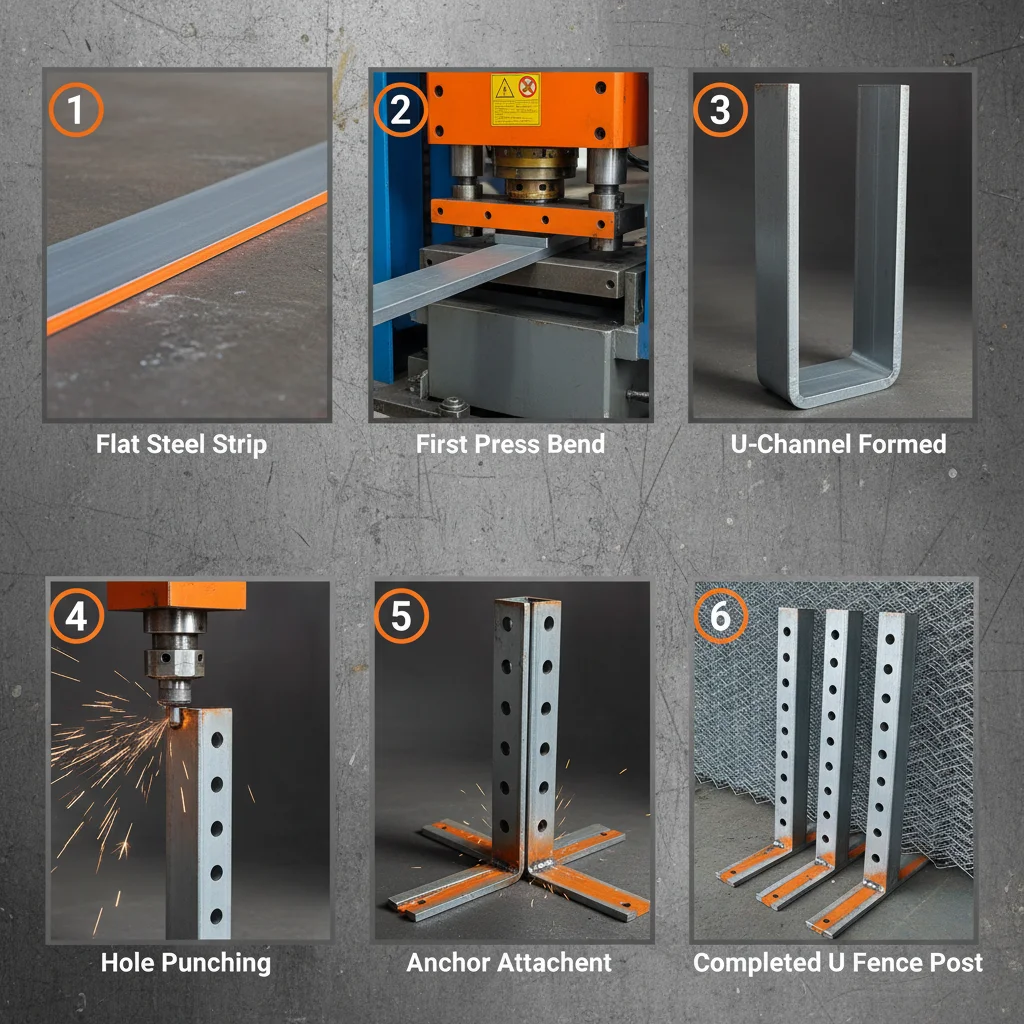
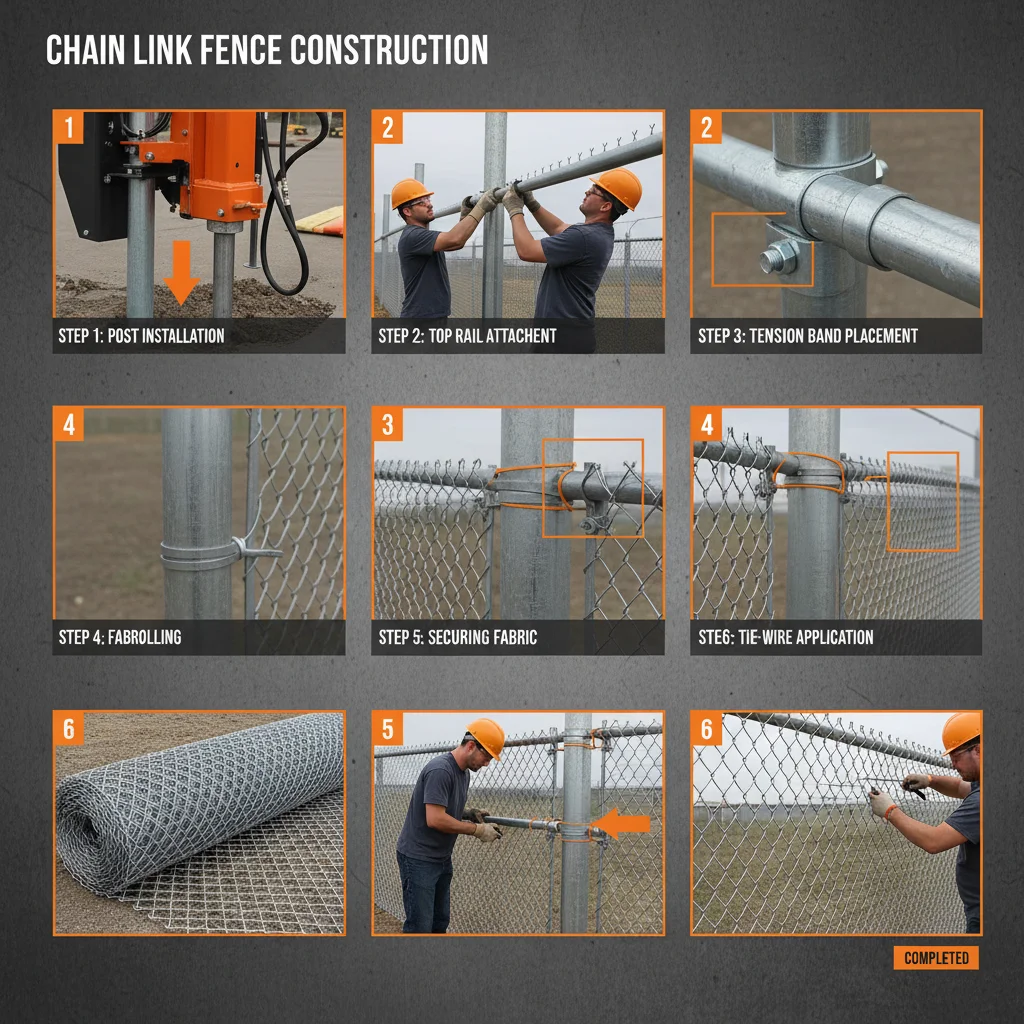
Achieving the full potential of a Stock Fence requires precise installation techniques, particularly regarding tensioning. It is highly recommended to use professional fence post systems and specialized tensioning tools to ensure the wire is stretched evenly. The most critical step is securing the corner and end posts; these must be deeply anchored to withstand the constant pull of the high-tensile wire.
Once the anchor posts are set, the mesh should be rolled out and tightened incrementally. This prevents the common issue of sagging over time, which can create gaps at the bottom of the fence. Proper integration with a stable post system not only enhances the security of the livestock but also extends the lifespan of the wire by distributing mechanical stress evenly across the entire line.
Weather Resistance and Environmental Adaptation
Agricultural fencing is exposed to some of the harshest conditions on earth, from humid coastal salt air to arid desert heat. To address this, our Stock Fence is treated with specialized weather-resistant coatings. These layers act as a barrier against oxidation and corrosion, preventing rust from compromising the wire's structural integrity.
In coastal regions, where salt spray accelerates metal degradation, these coatings are essential. They ensure that the fence remains robust without requiring frequent chemical treatments or replacements, which is a significant advantage for farmers operating in geographically challenging areas.
Additionally, the flexibility of the high-tensile wire allows it to expand and contract during extreme temperature shifts. This thermal stability ensures that the fence remains taut in the winter and does not warp in the summer, providing consistent security regardless of the season.
Technical Specifications and Customization Options
Precision is key when selecting the right wire thickness for specific livestock. For lightweight boundary marking or small animals, a thickness of 1.7mm to 1.9mm is typically sufficient. However, for heavy livestock like cattle, we recommend our thicker options, such as 2.2mm to 2.5mm, to provide the necessary resistance against animal pressure.
We provide a wide array of standard configurations, including heights from 1.0m up to 2.03m and roll lengths of 50m or 100m. This versatility ensures that whether a project involves a small paddock or a multi-mile boundary, the materials are optimized for the specific scale of the land.
For unique requirements, custom fabrication is available. We can tailor wire thickness, mesh height, and roll length based on client-provided technical drawings, ensuring that the final product fits the exact topography and security needs of the property.
Core Technical Parameters of Stock Fence Configurations
| Common Spec | Fence Height | Wire Thickness (mm) | Primary Application |
|---|
| 18×15 | 1.0m | 1.7/2.2mm | Small Livestock/Boundaries |
| 210×15 | 1.20m | 1.8/2.2mm | Sheep & Goat Containment |
| 312×15 | 1.60m | 1.9/2.5mm | General Cattle Fencing |
| 414×15 | 2.03m | 2.0/2.5mm | High-Security Livestock |
| Custom Heavy | Custom | 2.2/3.0mm | High-Pressure Zones |
| Custom Ultra | Custom | 2.5/3.4mm | Industrial Agricultural Use |
FAQS
The graduated design features smaller gaps at the bottom to prevent small animals from crawling under or through, while larger gaps at the top keep the fence lightweight and cost-effective while still effectively containing larger livestock like cattle.
For smaller animals or simple boundary marking, 1.7mm to 1.9mm is typically sufficient. For heavy livestock or high-pressure areas where animals frequently lean or push against the barrier, we recommend thicker options such as 2.2mm to 2.5mm for increased structural strength.
Yes, our metal products are treated with specialized weather-resistant coatings specifically designed to prevent rust and corrosion. This makes them highly suitable for a variety of geographic regions, including humid or coastal areas where standard wire would fail quickly.
Absolutely. We offer a wide range of standard heights from 1.0m to 2.03m and lengths of 50m or 100m per roll. Furthermore, we provide custom specifications upon request to fit your specific land layout or technical drawings.
Field fence is specifically designed for agriculture with graduated openings to manage different animal sizes efficiently. In contrast, chain link is a uniform diamond mesh typically used for residential or industrial security, which is often too heavy and visually obstructive for open farming.
We recommend using professional fence post systems and tensioning tools. It is crucial to ensure that the corner posts are securely anchored before stretching the wire mesh across the line to prevent sagging and maintain long-term stability.
Conclusion
In summary, a professional-grade Stock Fence is an indispensable tool for modern agricultural management, combining high-tensile strength, weather-resistant coatings, and a specialized graduated mesh design. By prioritizing durability and strategic engineering, these systems provide a long-term solution for livestock containment that minimizes maintenance and maximizes security across diverse terrains.
As farming practices evolve toward more sustainable and efficient land use, investing in high-quality perimeter solutions becomes a cornerstone of operational success. We suggest that property owners evaluate their specific livestock needs and environmental challenges to select the optimal wire thickness and height, ensuring a secure environment for their animals and a lasting asset for their land. Visit our website: www.fence-wire.com