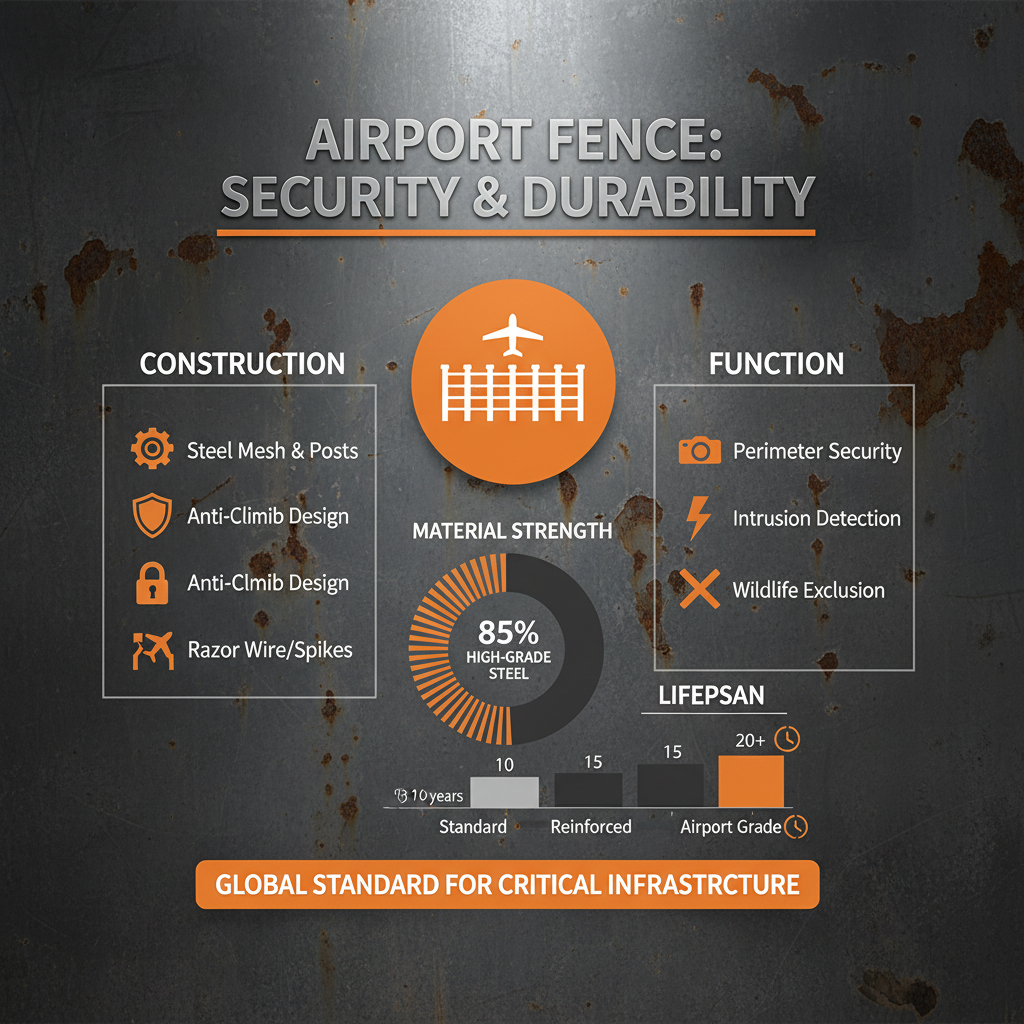
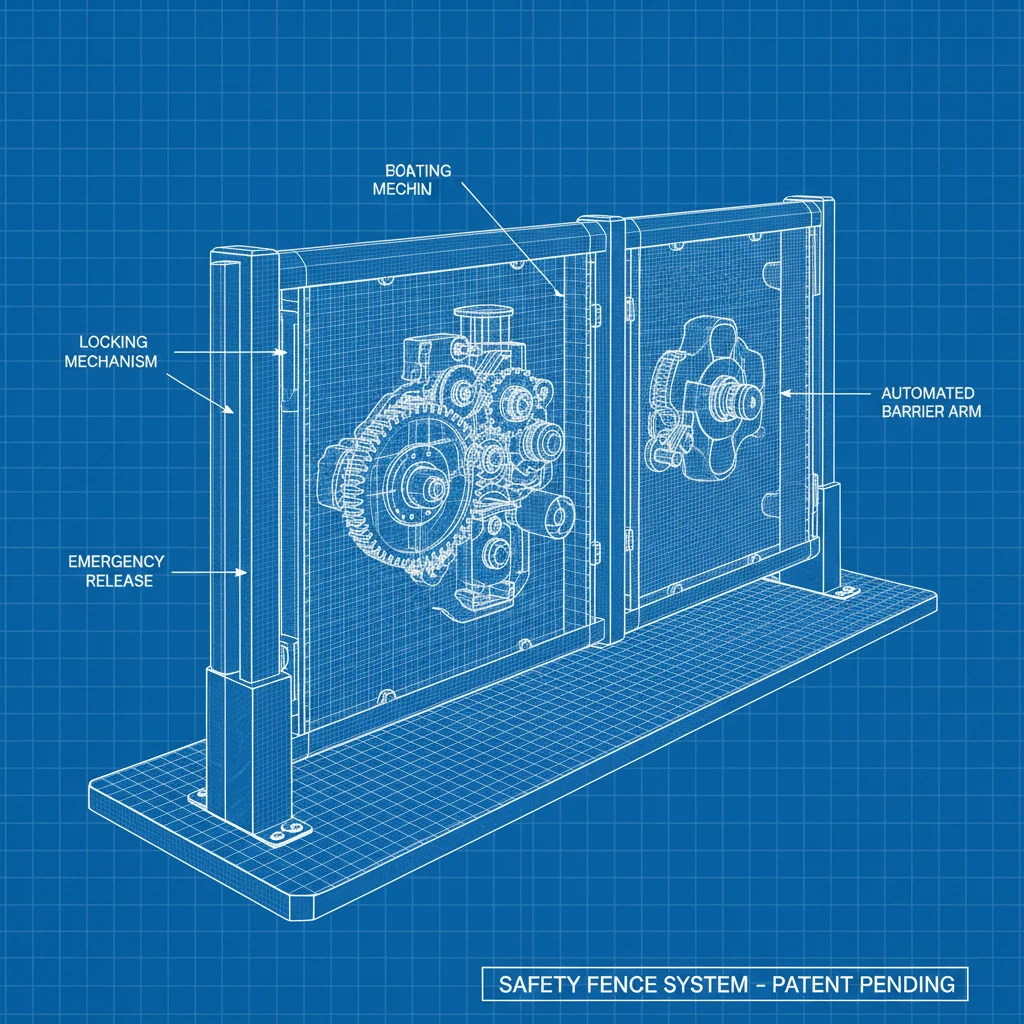
Airport Fence systems are crucial for securing airports globally, protecting critical infrastructure and ensuring passenger safety. These fences aren't simply barriers; they represent a comprehensive security approach addressing evolving threats and stringent international regulations. Understanding their design, materials, and installation is paramount for airport operators, security personnel, and anyone involved in aviation safety.
The global airport infrastructure market is experiencing significant growth, driven by increasing air travel and the need for enhanced security measures. According to the Airport Council International (ACI), passenger traffic is projected to continue rising, demanding greater investment in security systems like robust Airport Fence solutions. The implementation of these fences isn’t merely a preventative measure; it's a regulatory necessity.
Airport Fences address a key challenge in modern aviation: perimeter security. Traditional security measures are often insufficient to deter determined threats. A well-designed and maintained Airport Fence acts as the first line of defense, providing a physical barrier, delaying intrusions, and allowing security personnel to respond effectively.
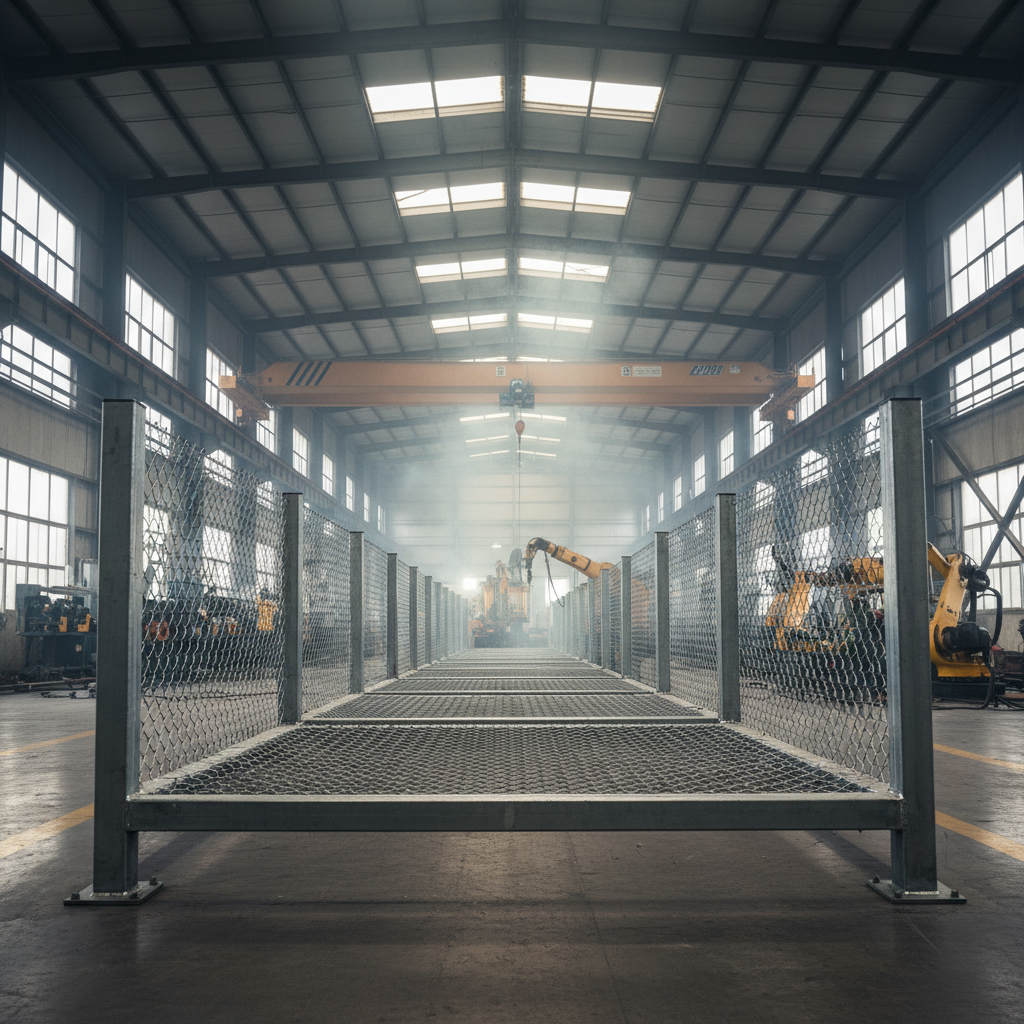
Introduction to Airport Fence
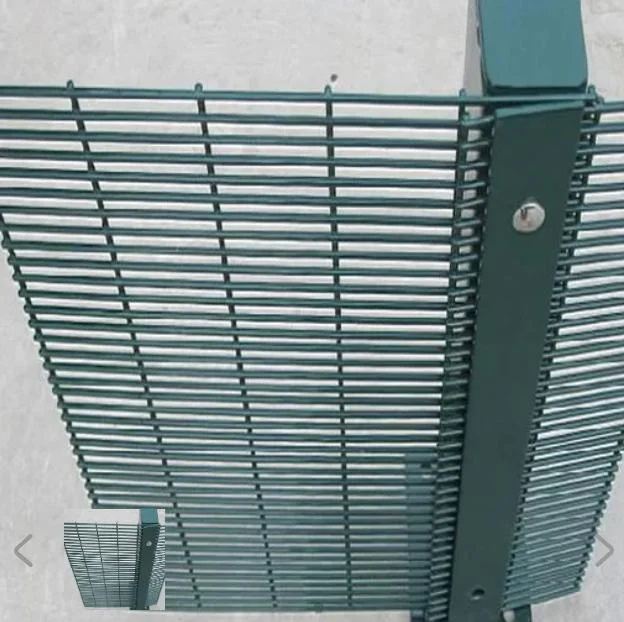
An Airport Fence is a specialized perimeter security system designed to protect airport grounds from unauthorized access, theft, and potential threats. It typically comprises a high-security fence, often constructed from welded wire mesh, chain-link, or palisade fencing, combined with advanced security technologies like intrusion detection systems, surveillance cameras, and access control points. The primary goal is to create a robust physical barrier that deters and delays intruders, allowing security personnel sufficient time to respond.
These systems go beyond simple fencing; they’re integrated security solutions. Modern Airport Fence installations often incorporate features like anti-climb technology, reinforced posts, and tamper-proof fasteners to prevent breaches. The effectiveness of an Airport Fence depends on its design, material quality, installation, and ongoing maintenance. A compromised fence can have severe consequences, impacting airport operations and passenger safety.
Defining Airport Fence
Simply put, an Airport Fence is a high-security perimeter barrier specifically engineered for airport environments. Unlike standard fencing, it's designed to withstand significant force, resist cutting and climbing, and integrate with sophisticated security systems. It's a critical component of an airport's overall security plan, playing a vital role in protecting aircraft, facilities, and personnel.
The definition extends beyond the physical barrier. A complete Airport Fence system includes access gates, security lighting, intrusion detection sensors, and surveillance cameras, all working in concert. This holistic approach ensures that any attempt to breach the perimeter is detected, verified, and responded to promptly.
In the context of modern aviation security, an Airport Fence isn’t just about keeping people out; it's about deterring threats, delaying intrusions, and enabling a swift and effective security response. It’s a tangible demonstration of an airport's commitment to safety and security, building trust with passengers and stakeholders.
Core Components of Airport Fence
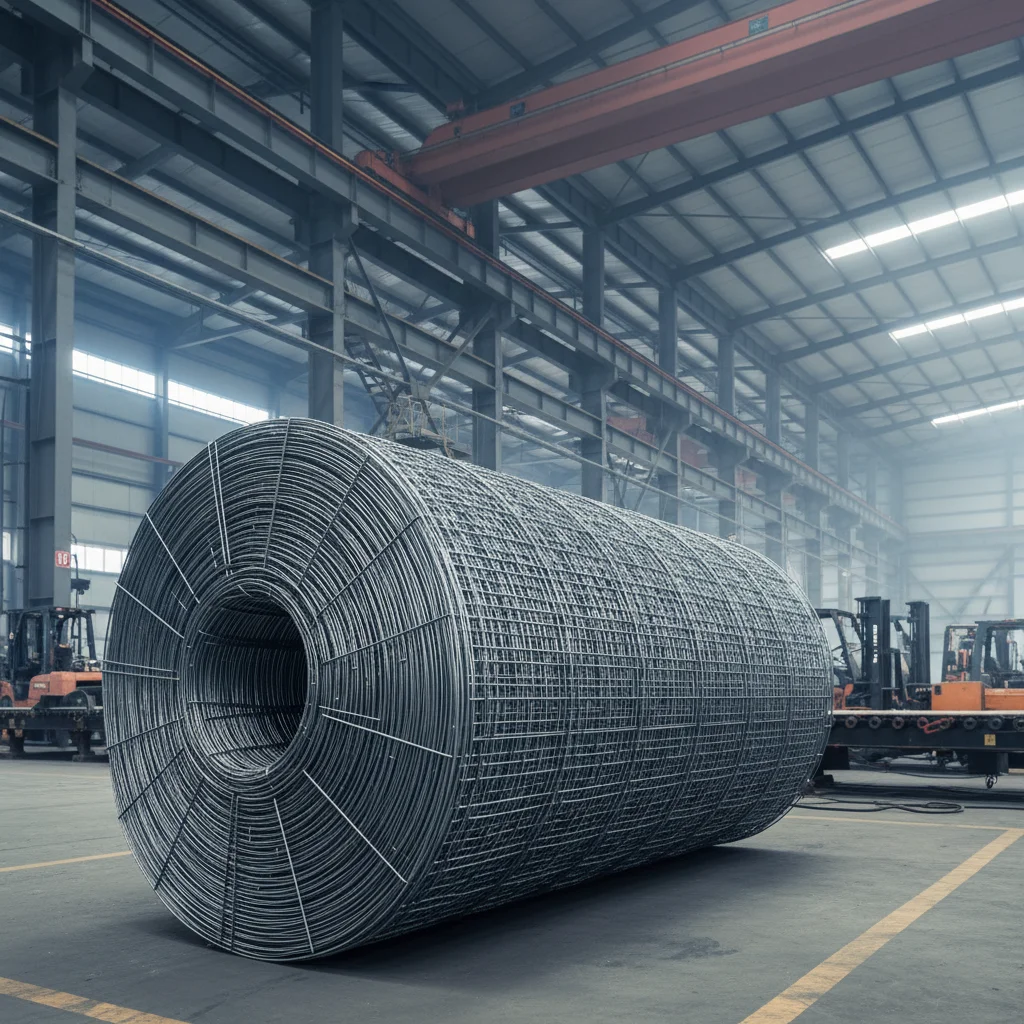
Durability is paramount. Airport Fence materials must withstand harsh weather conditions, potential impacts, and attempts at forced entry. High-tensile steel, galvanized finishes, and powder coating are commonly used to ensure long-lasting performance and corrosion resistance. Selecting materials appropriate to the local climate is crucial.
Scalability is essential for adapting to changing airport layouts and security requirements. Modular designs allow for easy expansion or modification of the fence line, accommodating future growth or new security zones. The ability to integrate new technologies, like advanced sensors, without significant disruption is also key.
Integration with security systems is a core component. Airport Fence solutions must seamlessly interface with surveillance cameras, intrusion detection systems (IDS), and access control systems. This integration enables real-time monitoring, automated alerts, and efficient response to security breaches. A centralized security management platform is often used to oversee the entire system.
Applications of Airport Fence Worldwide
Airport Fences are deployed globally at airports of all sizes, from small regional facilities to major international hubs. In North America, they are frequently used to secure runways, taxiways, and critical infrastructure like fuel storage areas. Europe sees extensive use of high-security Airport Fence systems to comply with stringent aviation security regulations.
In Asia-Pacific, the rapid growth of air travel has led to significant investment in airport infrastructure, including robust Airport Fence solutions. Many airports in the region utilize advanced perimeter security technologies to address rising security concerns. Australia's remote airports also rely heavily on Airport Fence systems for protection against wildlife and unauthorized access.
Beyond securing the airport perimeter, Airport Fence systems are also used to create secure zones within the airport, such as cargo handling areas, maintenance facilities, and restricted access zones for personnel. In post-disaster relief operations, temporary Airport Fence can be rapidly deployed to secure aid distribution points and protect critical supplies.
Airport Fence Performance Metrics
Advantages and Long-Term Value
The primary advantage of a well-implemented Airport Fence is enhanced security, protecting valuable assets and ensuring passenger safety. This leads to a reduction in the risk of security breaches, theft, and potential terrorist activities. Beyond security, a robust perimeter also improves operational efficiency by preventing unauthorized access to restricted areas.
Long-term value extends beyond immediate security benefits. A durable Airport Fence requires minimal maintenance over its lifespan, reducing operational costs. Compliance with aviation security regulations avoids potential fines and disruptions to airport operations. Moreover, a secure airport fosters public trust and confidence, enhancing the airport's reputation.
Future Trends in Airport Fence Technology
The integration of artificial intelligence (AI) and machine learning (ML) is transforming Airport Fence technology. AI-powered video analytics can detect suspicious behavior in real-time, providing automated alerts to security personnel. ML algorithms can learn from past events to improve threat detection accuracy and reduce false alarms.
Smart sensors, including fiber optic intrusion detection systems and ground-based radar, are providing more accurate and reliable perimeter surveillance. These technologies can detect climbing attempts, digging, and other forms of intrusion with greater precision. The use of drone technology for perimeter patrols and inspections is also gaining traction, offering a cost-effective and efficient way to monitor large airport grounds.
Challenges and Solutions in Airport Fence Deployment
A common challenge is the cost of installation and maintenance, particularly for large airports. However, lifecycle cost analysis demonstrates that investing in a high-quality Airport Fence system is more cost-effective in the long run than dealing with the consequences of a security breach. Utilizing modular designs and standardized components can also help reduce costs.
Another challenge is integrating the Airport Fence with existing security infrastructure. This requires careful planning and coordination with security system vendors to ensure seamless compatibility. Open architecture systems and standardized communication protocols can facilitate integration.
Maintaining the integrity of the fence line over time is crucial. Regular inspections, prompt repairs, and preventative maintenance are essential. Implementing a comprehensive maintenance program and utilizing durable materials can significantly extend the lifespan of the Airport Fence.
Summary of Airport Fence Deployment Considerations
| Category |
Key Consideration |
Mitigation Strategy |
Impact on Airport Fence Performance |
| Environmental Factors |
Corrosion, Extreme Temperatures |
Galvanized Steel, Powder Coating, Material Selection |
Maintains Structural Integrity, Extends Lifespan |
| Integration Complexity |
Compatibility with Existing Systems |
Open Architecture, Standardized Protocols |
Ensures Real-time Data Flow, Accurate Alerts |
| Maintenance Requirements |
Regular Inspections, Repairs |
Preventative Maintenance Program, Durable Materials |
Reduces Downtime, Maximizes Lifespan |
| Intrusion Detection |
False Alarms, Missed Intrusions |
AI-Powered Analytics, Smart Sensors |
Improves Accuracy, Reduces Response Time |
| Initial Investment |
High Upfront Costs |
Lifecycle Cost Analysis, Modular Design |
Demonstrates Long-Term Value, Reduces Overall Expenses |
| Scalability Needs |
Adapting to Future Expansion |
Modular Systems, Flexible Designs |
Facilitates Easy Modification, Accommodates Growth |
FAQS
A well-maintained Airport Fence system, utilizing durable materials like galvanized steel and powder coating, can typically last between 20 and 30 years. However, the lifespan can be affected by environmental factors, usage intensity, and the frequency of maintenance. Regular inspections and prompt repairs are crucial for maximizing longevity.
While the initial investment in Airport Fence can be substantial, it's often more cost-effective in the long run compared to alternative security measures like extensive surveillance systems or constant manned patrols. The durability and low maintenance requirements of Airport Fence contribute to its overall value. A lifecycle cost analysis is recommended.
Modern Airport Fence systems are designed for seamless integration with existing security infrastructure, including CCTV cameras, intrusion detection systems (IDS), and access control systems. This integration enables real-time monitoring, automated alerts, and a centralized security management platform. Open architecture and standardized protocols are key for smooth integration.
Material selection depends on several factors, including the climate, security requirements, and budget. Galvanized steel offers excellent corrosion resistance, while aluminum is lightweight and requires minimal maintenance. High-tensile wire mesh provides robust security, while palisade fencing offers enhanced protection against climbing.
Regular maintenance is crucial for ensuring the long-term effectiveness of an Airport Fence. This includes periodic inspections for damage, corrosion, or tampering; prompt repairs of any identified issues; and preventative maintenance such as cleaning and re-coating. A documented maintenance schedule is recommended.
Yes, modular Airport Fence systems are designed for scalability and can be easily adapted to accommodate future airport expansion. Additional sections can be added, existing sections can be modified, and new security technologies can be integrated without significant disruption to airport operations. Planning for future expansion during initial design is beneficial.
Conclusion
Airport Fence systems are an indispensable component of modern airport security, providing a robust physical barrier, deterring unauthorized access, and enabling swift response to potential threats. Their long-term value extends beyond immediate security benefits, encompassing cost savings, regulatory compliance, and enhanced public trust. The integration of advanced technologies like AI and smart sensors is further enhancing their effectiveness.
As air travel continues to grow, the importance of Airport Fence will only increase. Investing in high-quality, well-maintained systems is a critical step towards ensuring the safety and security of airports worldwide. For expert advice and a comprehensive range of Airport Fence solutions, visit our website: www.huaxinmesh.com