- romanian
- korean
- kyrgyz
- lao
- latin
- latvian
- malay
- malayalam
- marathi
- persian
- polish
- portuguese
- quechua
- khmer
- russian
- shona
- singapore
- spanish
- swahili
- swedish
- tajik
- thai
- ukrainian
- urdu
- vietnamese
- filipino
- azerbaijani
- bengali
- burmese
- catalan
- creole
- croatian
- czech
- danish
- deutsch
- dutch
- english
- estonian
- arabic
- finnish
- french
- greek
- gujarati
- hausa
- hindi
- hungarian
- igbo
- indonesian
- irish
- italian


Advancing Infrastructure with Durable Rectangle Post Systems and Solutions
Rectangle post systems – they’re not just a trendy buzzword, they're changing how we think about infrastructure. I’ve spent the last decade on construction sites, wrestling with materials, coordinating logistics, and frankly, seeing a lot of wasted time and money. Rectangle post, specifically engineered post solutions, offer a tangible shift towards efficiency and resilience. It’s about building smarter, not just harder. I've seen firsthand how these systems speed up project timelines, reduce material waste, and ultimately, deliver a better end product.
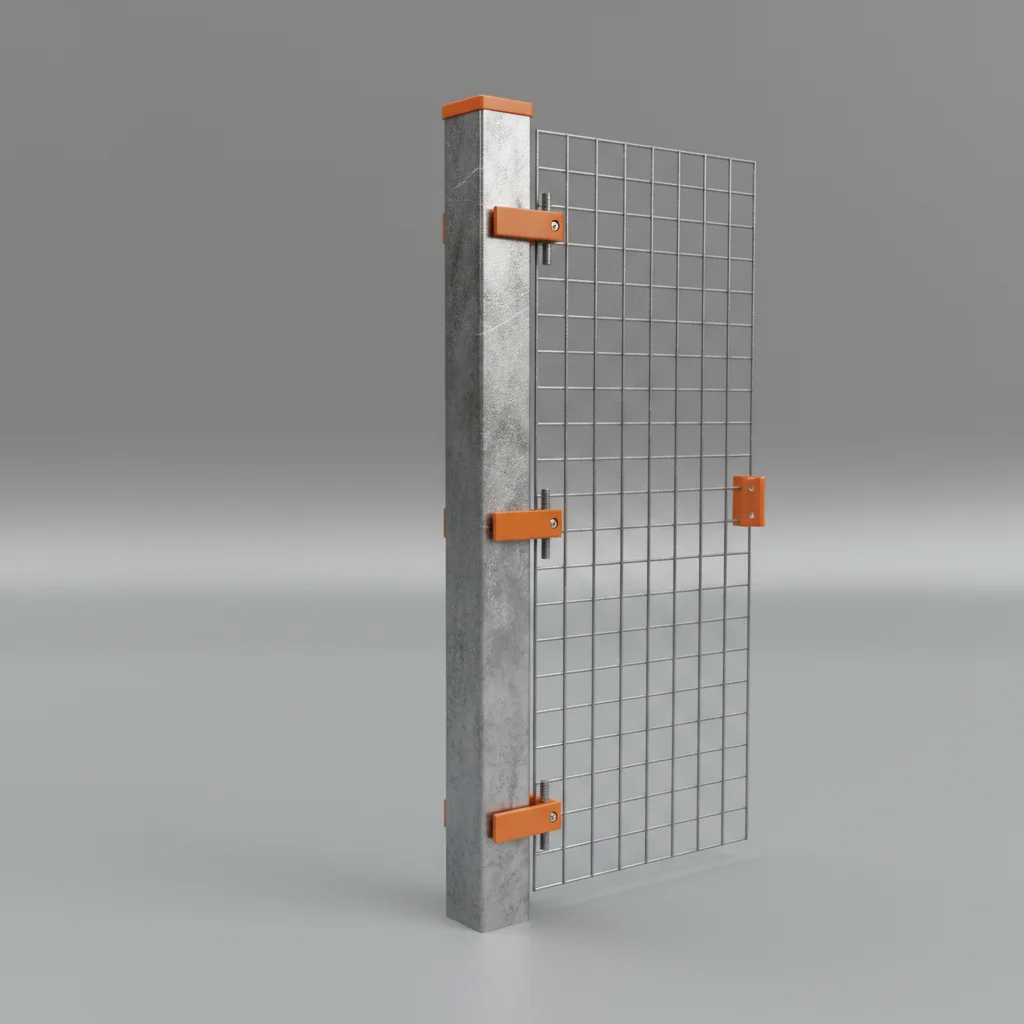
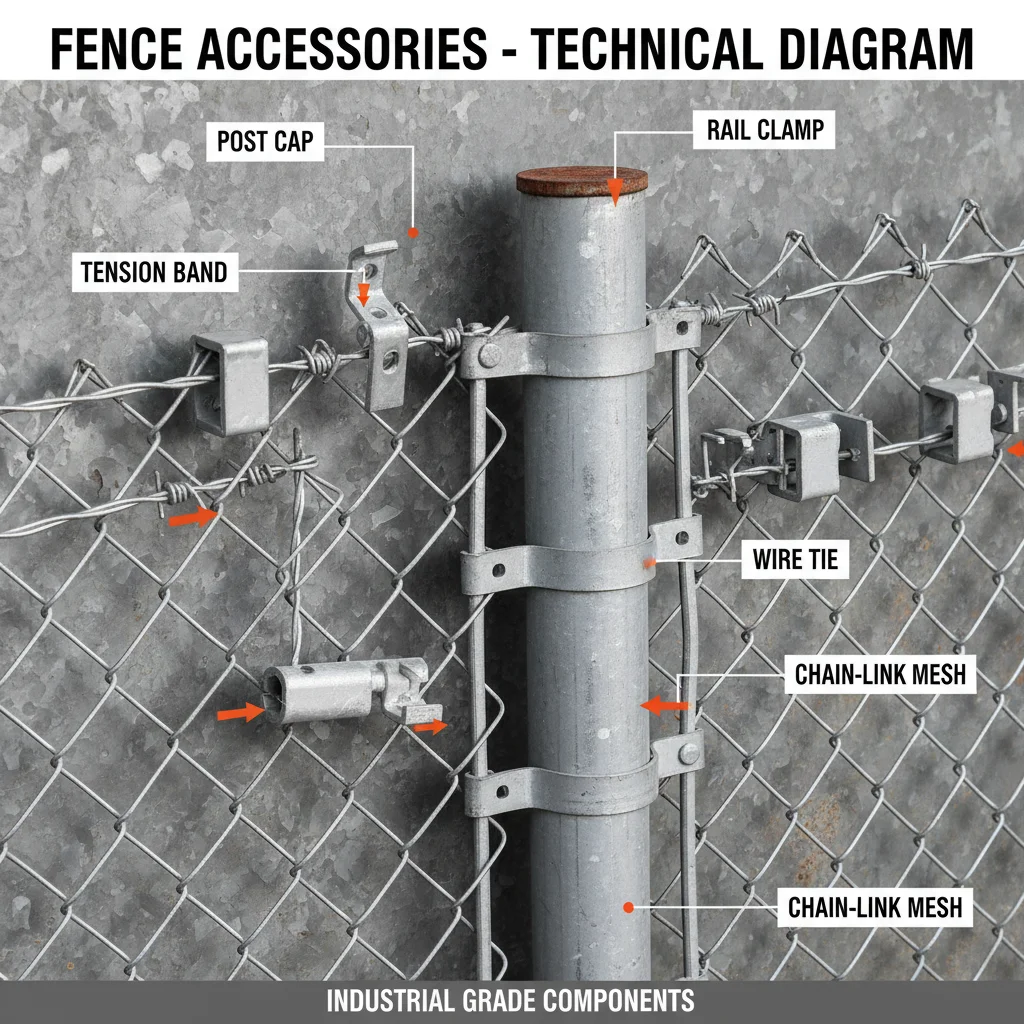
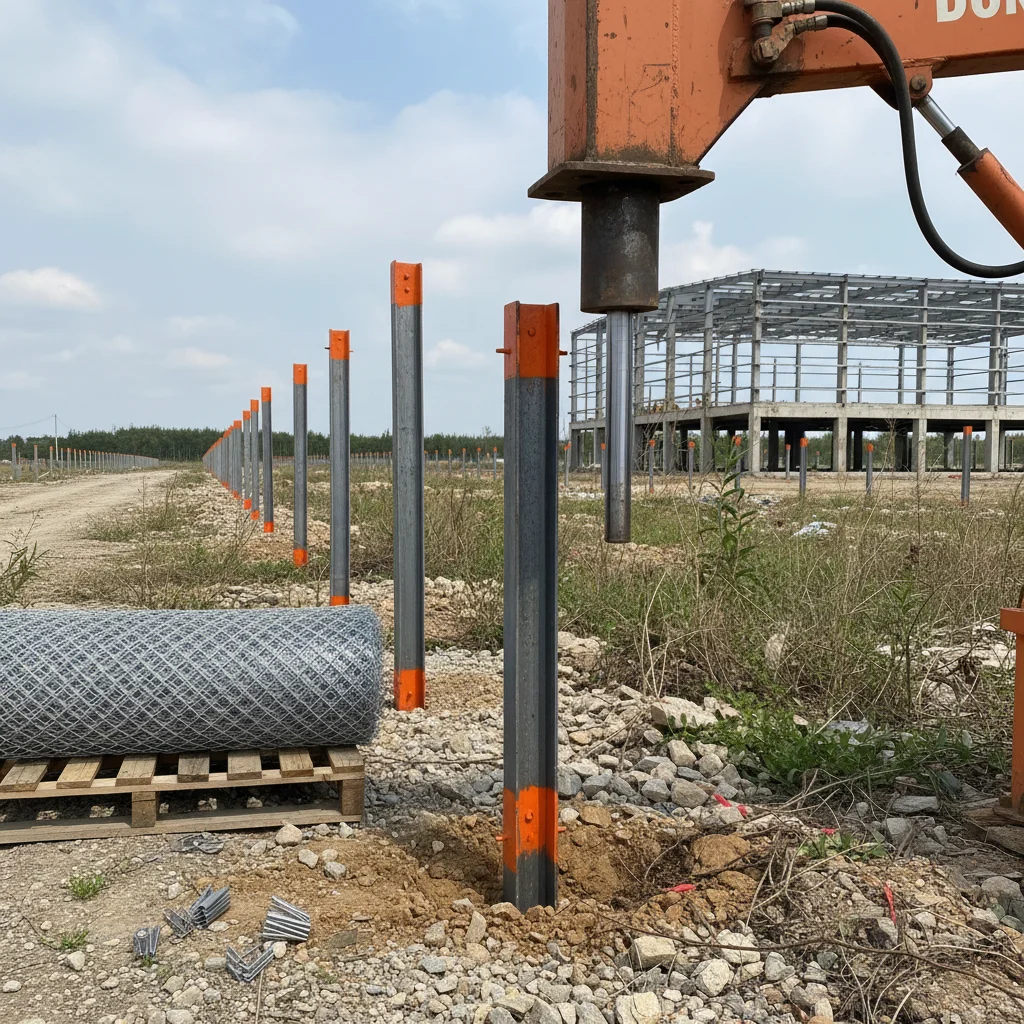
What really struck me early on was the sheer adaptability of rectangle post solutions. Whether you’re looking at solar farms requiring robust mounting structures, fencing needing long-term durability, or even temporary support systems during construction, this isn’t a one-size-fits-all solution awkwardly forced into different scenarios. It’s a system you can tailor. I remember one job where we needed a custom support structure for a particularly challenging terrain. Traditional methods would have meant extensive site preparation and custom fabrication. Rectangle post allowed us to adapt on-site, saving weeks and a significant amount of budget.
And it’s not just about speed or cost. I’m talking about a system that’s increasingly focused on sustainability and long-term performance. We're moving beyond simply ‘getting the job done’ to ‘building for the future’, and rectangle post solutions are leaning into that shift with materials designed to withstand harsh environments and minimize environmental impact. That's a big deal.
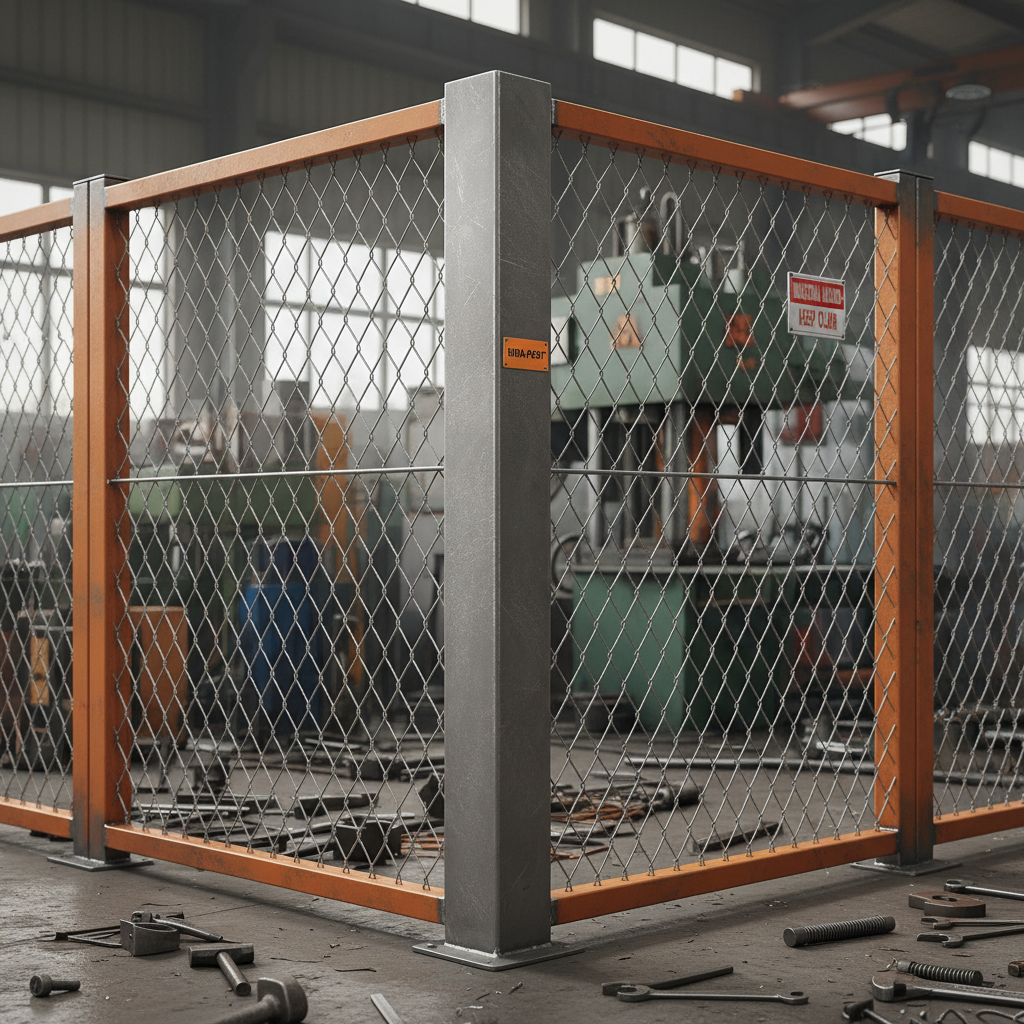
The Core Benefits of Rectangle Post
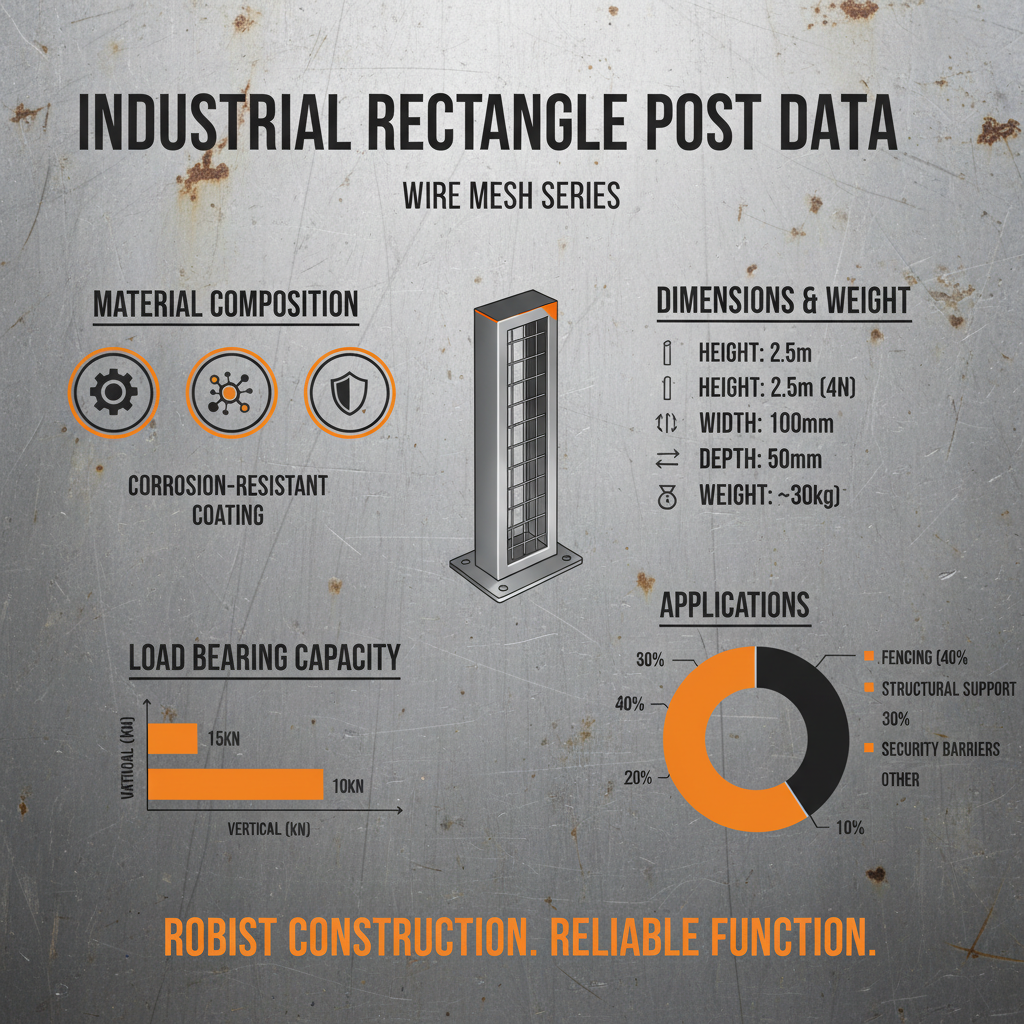
Look, the biggest pain point on any site is efficiency. Rectangle post systems deliver on that front. We're talking about pre-fabricated components that drastically reduce on-site assembly time. This isn’t just about saving money; it’s about reducing the logistical headaches and freeing up skilled labor for more critical tasks. I've seen projects cut assembly time by up to 40% simply by switching to a rectangle post system.
Beyond speed, consider the structural integrity. Modern rectangle post designs – particularly those utilizing galvanized steel or advanced composite materials – offer exceptional strength-to-weight ratios. This means you can achieve robust support with less material, reducing costs and minimizing environmental impact. It’s a win-win.
FAQS
Rectangle post systems generally offer superior strength, durability, and longevity compared to wood. They are less susceptible to rot, insect damage, and weathering. They also require less maintenance and provide a more consistent structural performance. From my experience, they’re a solid investment for anything requiring a robust, long-lasting foundation, unlike wood which constantly needs replacing.
Yes, with the right materials. Galvanized steel rectangle posts with a high zinc coating are very effective in resisting corrosion. Alternatively, composite materials like fiberglass offer excellent corrosion resistance, making them ideal for coastal environments. Choosing the appropriate material is crucial – don't cut corners on this.
Rectangle post systems are significantly faster to install than concrete foundations. They require minimal site preparation and typically don't involve pouring concrete. This leads to reduced labor costs, shorter project timelines, and less disruption to the surrounding environment. Plus, they are easily adjusted or removed if needed.
A well-maintained rectangle post system, using high-quality materials and proper installation, can easily last 20-30 years or even longer. Regular inspections and maintenance, such as checking for corrosion and tightening connections, are key to maximizing its lifespan. It’s a long-term solution, not a quick fix.
They can be. Many rectangle post systems utilize recyclable materials, like steel. They also require less concrete, reducing the carbon footprint associated with concrete production. Furthermore, their durability minimizes the need for replacements, reducing waste over the long term. It’s a step in the right direction for sustainable construction.
While rectangle post systems are generally easier to install than traditional methods, it's crucial to have personnel with proper training and experience. They need to understand load calculations, proper connection techniques, and site preparation requirements. Incorrect installation can compromise the structural integrity of the system.
Conclusion
Rectangle post systems represent a significant advancement in infrastructure construction. Their combination of durability, efficiency, and adaptability makes them a compelling choice for a wide range of applications, from agricultural support to industrial fencing and renewable energy installations. We’ve moved beyond simply building things to building them smarter, and rectangle post is a core component of that shift.
Looking ahead, continued innovation in materials, automation, and system integration will further enhance the performance and sustainability of rectangle post solutions. The future of infrastructure is about resilience, adaptability, and minimizing environmental impact, and rectangle post is well-positioned to play a leading role in that transformation. Visit our website to learn more: Rectangle Post