
- romanian
- korean
- kyrgyz
- lao
- latin
- latvian
- malay
- malayalam
- marathi
- persian
- polish
- portuguese
- quechua
- khmer
- russian
- shona
- singapore
- spanish
- swahili
- swedish
- tajik
- thai
- ukrainian
- urdu
- vietnamese
- filipino
- azerbaijani
- bengali
- burmese
- catalan
- creole
- croatian
- czech
- danish
- deutsch
- dutch
- english
- estonian
- arabic
- finnish
- french
- greek
- gujarati
- hausa
- hindi
- hungarian
- igbo
- indonesian
- irish
- italian


Comprehensive Guide to Wire Fence Types Applications and Installation
Understanding Wire Fence: A Comprehensive Guide
When securing property, livestock, or crops, choosing the right type of fencing is critical. Wire fence offers a versatile and cost-effective solution for a wide range of applications. This article will explore the different types of wire fencing, their uses, installation considerations, and benefits. Understanding the nuances of wire fencing will help you make the best choice for your specific needs. A well-chosen fence provides security, containment, and peace of mind.
Types of Wire Fence
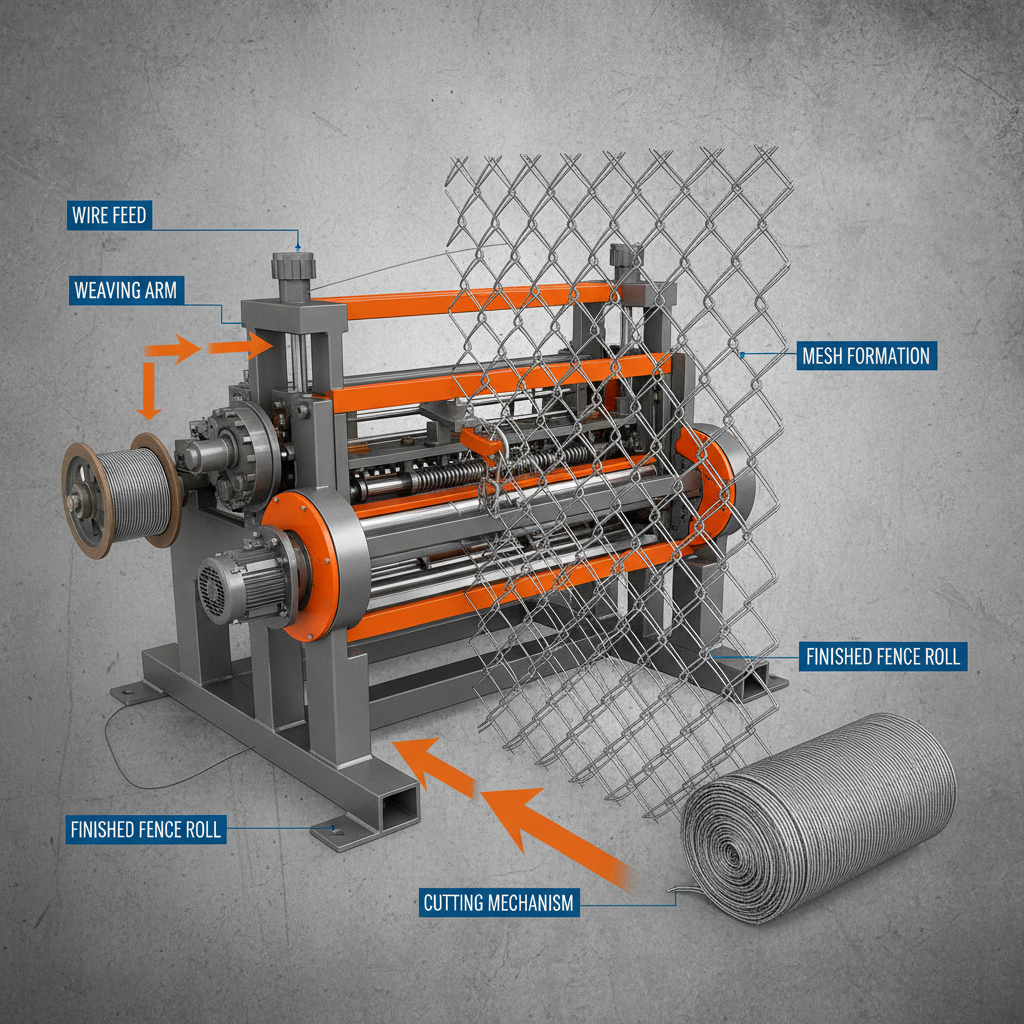
There’s a broad spectrum of wire fence options available, each designed for specific applications. Common types include woven wire, chain link, barbed wire, and welded wire. Woven wire, also known as field fence, is ideal for containing livestock. Chain link is a popular choice for security purposes, offering a durable and cost-effective barrier. Barbed wire provides a strong deterrent against trespassers, while welded wire is frequently used for animal enclosures and garden fencing. The choice depends on the level of security, containment, and aesthetics desired.
Key Highlights: Different wire fence types cater to varying needs, from livestock containment to high-security perimeter protection. Selecting the right type ensures optimal performance and longevity.
Wire Fence Applications: Finding the Right Fit
The applications for wire fence are diverse. Agricultural settings utilize woven wire and barbed wire to contain livestock, protect crops, and define property lines. Residential homeowners often choose chain link or decorative welded wire for security and privacy. Commercial and industrial properties rely on high-security chain link and barbed wire fences to protect assets and prevent unauthorized access. Gardens benefit from smaller-gauge welded wire to keep out pests. Knowing the intended use is the first step to choosing the appropriate fence.
Application Benefits:
• Livestock containment and crop protection
• Residential security and privacy
• Commercial and industrial perimeter protection
• Garden pest control
Comparing Common Wire Fence Types
Understanding the differences between popular wire fence types is crucial for making an informed decision. Consider factors such as cost, durability, security level, and aesthetic appeal. Each type offers a unique set of advantages and disadvantages depending on your specific requirements.
Installation Considerations for Wire Fence
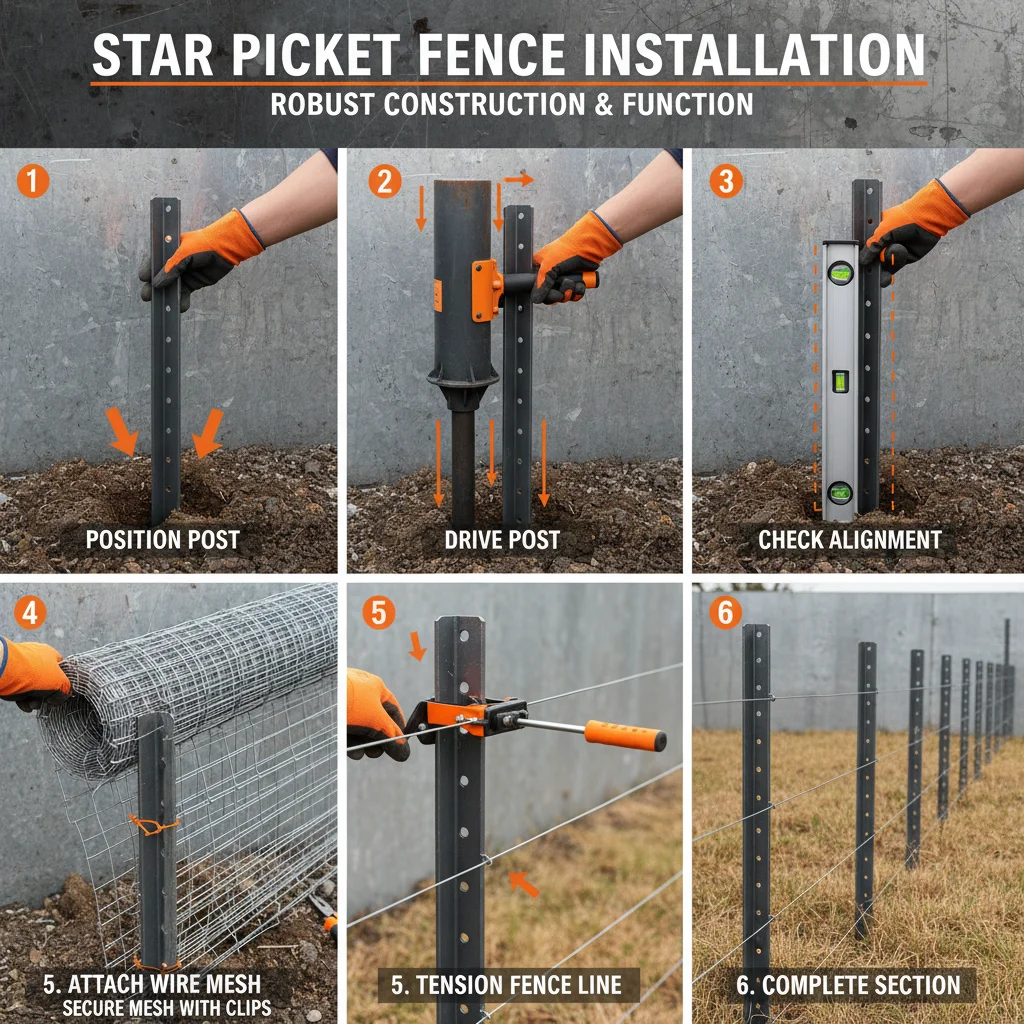
Proper installation is essential for ensuring the longevity and effectiveness of your wire fence. Considerations include post spacing, post depth, and the use of appropriate tensioning devices. Accurate post placement ensures the fence remains taut and secure. Using galvanized or treated posts prevents corrosion and extends the fence's lifespan. Proper tensioning prevents sagging and maintains the fence’s integrity. For larger projects, consulting a professional fence installer is recommended.
Benefits of Choosing Wire Fence
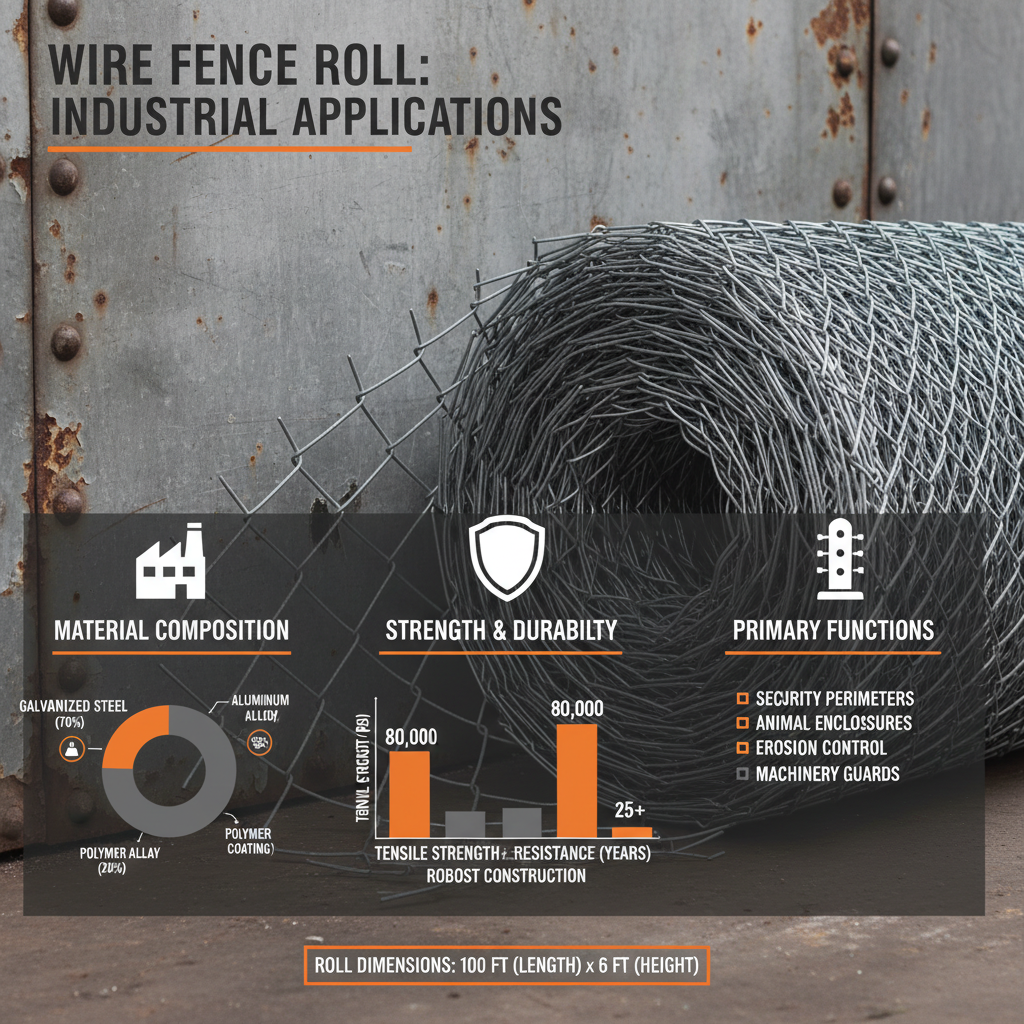
Wire fence offers numerous advantages. It's generally more affordable than other fencing materials like wood or vinyl. It requires minimal maintenance, providing a long-lasting solution. It's versatile, adaptable to various terrains and applications. Furthermore, it's readily available and easy to install, making it a practical choice for both DIY projects and professional installations. Choosing quality materials from a reputable supplier, like Huaxin Mesh, ensures lasting performance.
Conclusion
Choosing the right wire fence depends on your specific needs and application. Understanding the various types, installation considerations, and benefits will empower you to make an informed decision. For reliable, high-quality wire fencing solutions, explore the wide range of products offered by Huaxin Mesh. A well-chosen fence is an investment in security, containment, and peace of mind.
Frequently Asked Questions (FAQs)
What is the best wire fence for containing large animals like cows?
For containing large animals such as cows, woven wire (field fence) is generally the best option. It's strong, durable, and designed to withstand the pressure of livestock. Look for a woven wire fence with a smaller mesh size at the bottom to prevent animals from stepping through. Proper post spacing and tensioning are also critical for preventing breakouts. Barbed wire can also be used in combination with woven wire for an additional layer of security.
How long does a wire fence typically last?
The lifespan of a wire fence depends on several factors, including the type of wire, the quality of the posts, and the environmental conditions. With proper installation and maintenance, a well-built wire fence can last anywhere from 20 to 30 years or more. Galvanized wire and treated posts are essential for preventing rust and decay. Regular inspections and repairs will also extend the fence's lifespan.
Is chain link fence a good security option?
Yes, chain link fence is a popular and effective security option. It's durable, difficult to climb, and provides a visible deterrent to trespassers. Adding top rail extensions or barbed wire to the top of a chain link fence can further enhance its security. The height of the fence also plays a role – taller fences offer greater protection. Regular inspections and maintenance are important to ensure the fence remains in good condition.
What maintenance is required for a wire fence?
Wire fences require relatively little maintenance, but regular inspections are still important. Check for broken or sagging wires, loose posts, and damaged hardware. Repair any damage promptly to prevent further deterioration. Remove any vegetation growing on or around the fence, as this can weaken the structure. Periodic tightening of the wire can also help maintain its integrity.

In an era of rapidly expanding global trade, international exhibitions like FEICON BATIMAT have become crucial platforms for connecting suppliers with buyers worldwide.


