
- romanian
- korean
- kyrgyz
- lao
- latin
- latvian
- malay
- malayalam
- marathi
- persian
- polish
- portuguese
- quechua
- khmer
- russian
- shona
- singapore
- spanish
- swahili
- swedish
- tajik
- thai
- ukrainian
- urdu
- vietnamese
- filipino
- azerbaijani
- bengali
- burmese
- catalan
- creole
- croatian
- czech
- danish
- deutsch
- dutch
- english
- estonian
- arabic
- finnish
- french
- greek
- gujarati
- hausa
- hindi
- hungarian
- igbo
- indonesian
- irish
- italian


Comprehensive Guide to Field Fence Solutions for Agriculture and Livestock
Understanding Field Fence: A Comprehensive Guide
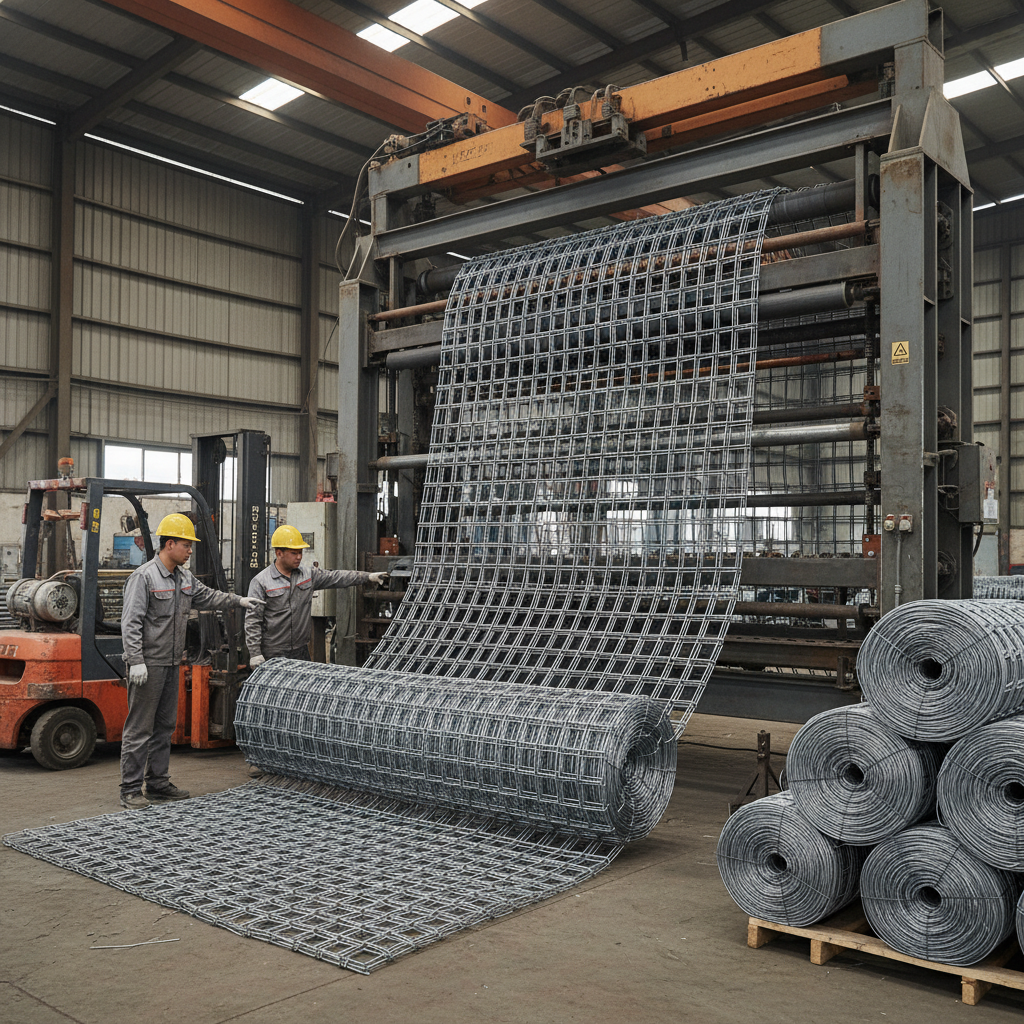
Field fence, also known as woven wire fence, is a versatile and cost-effective fencing solution widely used in agricultural, livestock, and rural applications. It provides a reliable barrier for containing animals, protecting crops, and delineating property boundaries. At Huaxin Mesh, we specialize in providing high-quality field fence solutions tailored to meet diverse needs. This article will explore the features, benefits, types, installation, and maintenance of field fence, offering a thorough understanding for farmers, ranchers, and landowners. Choosing the right field fence can significantly impact the security and efficiency of your operations.
What is Field Fence and Why Choose It?
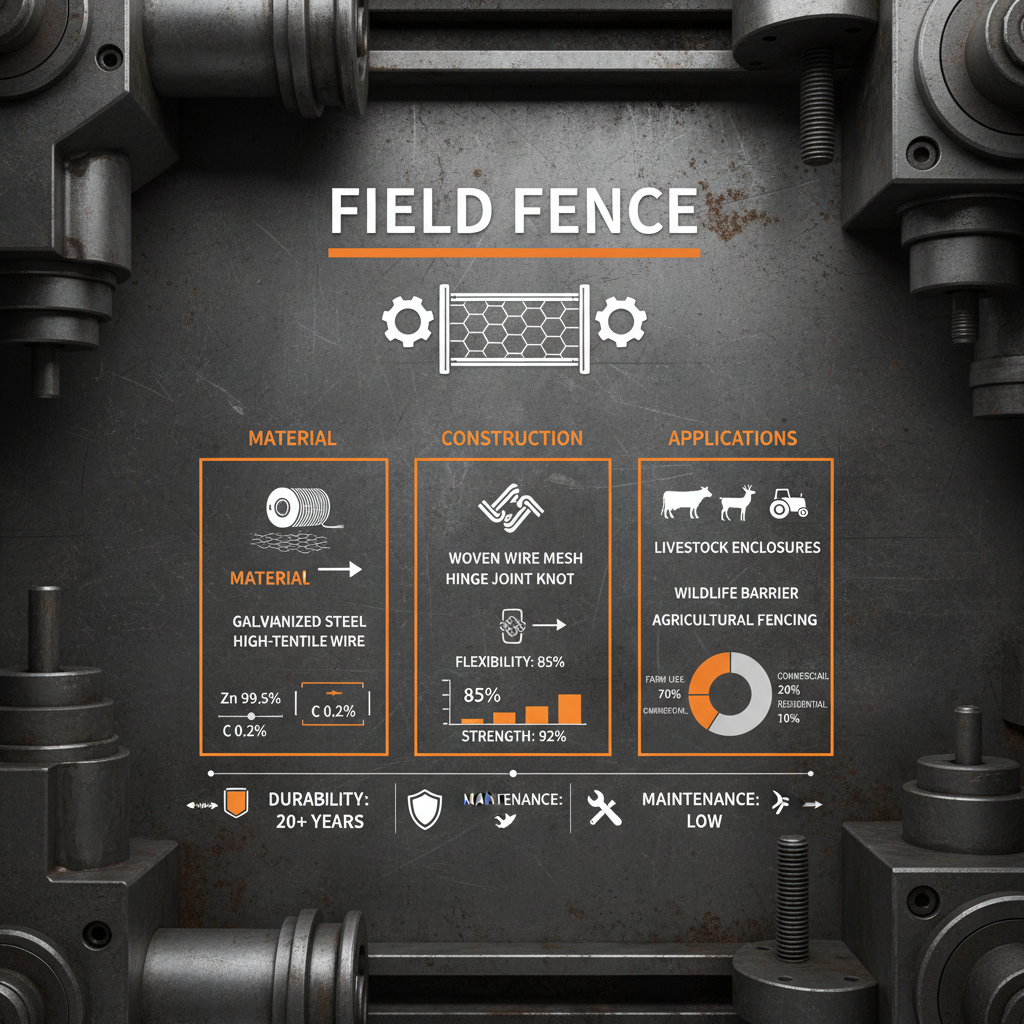
Field fence is constructed from woven steel wires, creating a durable and robust barrier. The horizontal and vertical wires are interlaced to form a mesh, with varying spacing depending on the intended application. It's primarily used for containing livestock such as cattle, sheep, goats, and horses, but also finds use in protecting gardens from pests and defining property lines. The benefits of choosing field fence include its cost-effectiveness, long lifespan, ease of installation (compared to some other fencing options), and versatility. The wire used in Huaxin Mesh's field fence is galvanized to resist corrosion and withstand harsh weather conditions.
Key Highlights: Field fence is a cost-effective, long-lasting, and versatile fencing solution ideal for agricultural and livestock applications.
Types of Field Fence: Choosing the Right Mesh for Your Needs
Field fence comes in various configurations to suit different animal types and specific requirements. Common types include:
- Woven Wire with Line Posts: This is the standard type, featuring a consistent wire spacing throughout.
- Graduated Woven Wire: This type has closer spacing at the bottom to prevent smaller animals from escaping and wider spacing at the top.
- Fixed Knot Fence: Offers increased strength and flexibility compared to traditional woven wire, ideal for challenging terrains and aggressive animals.
The choice depends on the animals you are containing, the terrain, and the level of security required. Huaxin Mesh offers expert advice to help you select the optimal field fence for your specific needs.
Field Fence Types at a Glance:
• Woven Wire with Line Posts: Standard, cost-effective option.
• Graduated Woven Wire: Best for containing various animal sizes.
• Fixed Knot Fence: High strength and flexibility, ideal for tough terrain.
Field Fence Specifications and Comparison
Understanding the specifications of field fence is essential for making an informed decision. Here’s a comparison of common field fence specifications:
Installation and Maintenance Tips
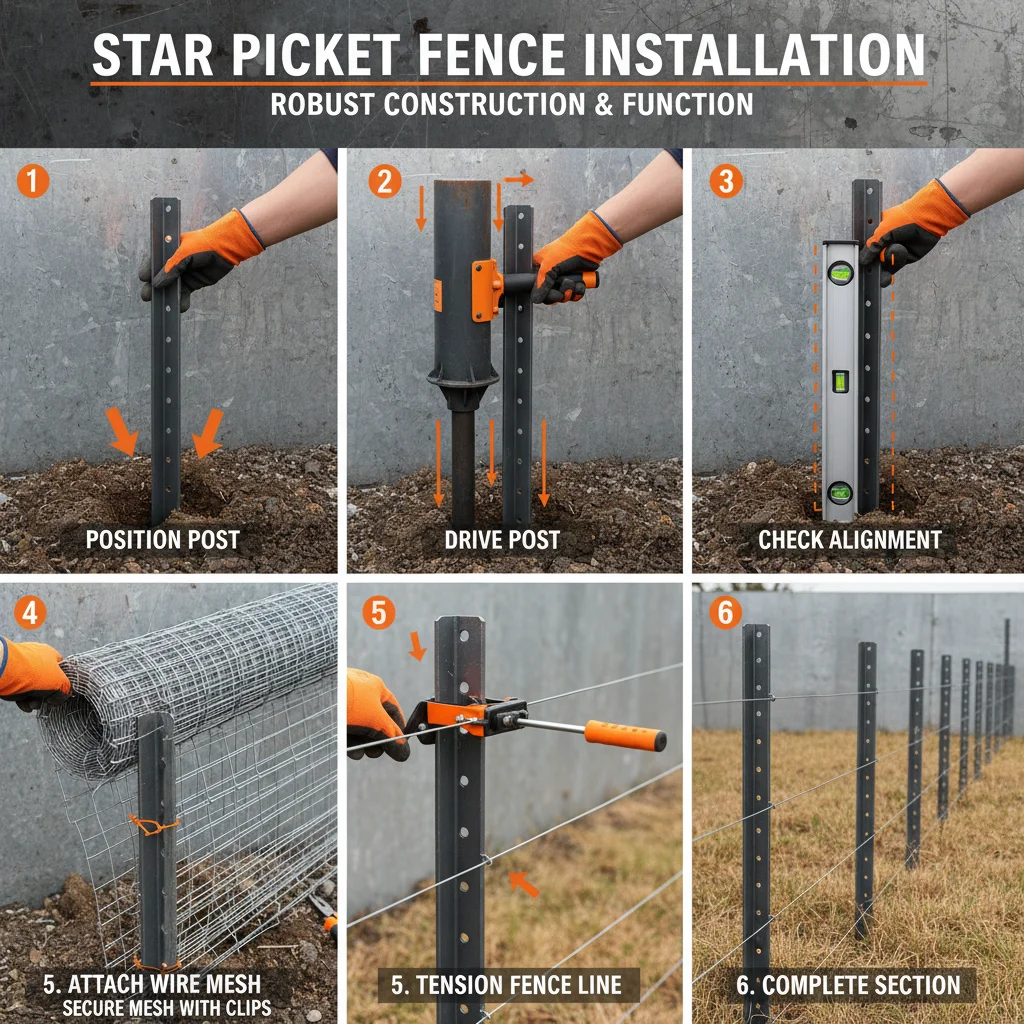
Proper installation and regular maintenance are crucial for maximizing the lifespan and effectiveness of your field fence. Installation involves setting posts (wood or metal), stretching the wire, and securing it to the posts. It is important to use the correct tools and techniques to ensure proper tension and prevent sagging. Regular maintenance includes checking for broken wires, tightening loose sections, and clearing vegetation that may compromise the fence. Huaxin Mesh provides installation guides and expert support to ensure a successful fencing project.
Conclusion: Secure Your Property with Huaxin Mesh Field Fence
Invest in Reliable Protection
Choosing the right field fence is a crucial investment for protecting your livestock, crops, and property. Huaxin Mesh provides high-quality field fence solutions, expert guidance, and reliable support to ensure your fencing project is a success. Contact us today to learn more and request a quote.
Frequently Asked Questions (FAQs)
How far apart should field fence posts be spaced?
Post spacing typically ranges from 8 to 12 feet, depending on the terrain and the type of livestock being contained. Closer spacing is recommended for uneven ground or for containing smaller animals. Corner and end posts should be more substantial and deeply set to withstand greater tension. Proper post spacing is critical for maintaining the structural integrity of the fence.
What is the best wire gauge for field fence?
12.5 gauge wire is the most common and versatile choice for field fence, offering a good balance of strength and cost-effectiveness. However, for containing aggressive animals or for areas prone to high stress, a heavier gauge wire (e.g., 11.5 gauge) may be necessary. Consult with a fencing professional to determine the optimal wire gauge for your specific needs.
How long will a field fence installation last?
With proper installation and maintenance, a field fence installation can last for 20-30 years or even longer. Regular inspections, prompt repairs, and preventative measures (such as vegetation control) are essential for maximizing its lifespan. The quality of materials, especially the galvanization of the wire, also plays a significant role in its longevity.

In an era of rapidly expanding global trade, international exhibitions like FEICON BATIMAT have become crucial platforms for connecting suppliers with buyers worldwide.


