
- romanian
- korean
- kyrgyz
- lao
- latin
- latvian
- malay
- malayalam
- marathi
- persian
- polish
- portuguese
- quechua
- khmer
- russian
- shona
- singapore
- spanish
- swahili
- swedish
- tajik
- thai
- ukrainian
- urdu
- vietnamese
- filipino
- azerbaijani
- bengali
- burmese
- catalan
- creole
- croatian
- czech
- danish
- deutsch
- dutch
- english
- estonian
- arabic
- finnish
- french
- greek
- gujarati
- hausa
- hindi
- hungarian
- igbo
- indonesian
- irish
- italian


Comprehensive Guide to Chain Link Fence Materials Types and Applications
Understanding Chain Link Fence: A Comprehensive Guide
Chain link fence, also known as hurricane fence or diamond mesh fence, is a widely used and cost-effective fencing solution for residential, commercial, and industrial applications. Its durability, security features, and relatively simple installation make it a popular choice. This article will explore the various aspects of chain link fence, including its materials, types, applications, installation, and maintenance, providing a thorough understanding for potential buyers and installers. Choosing the right fence is crucial for security and longevity.
Materials Used in Chain Link Fence Construction
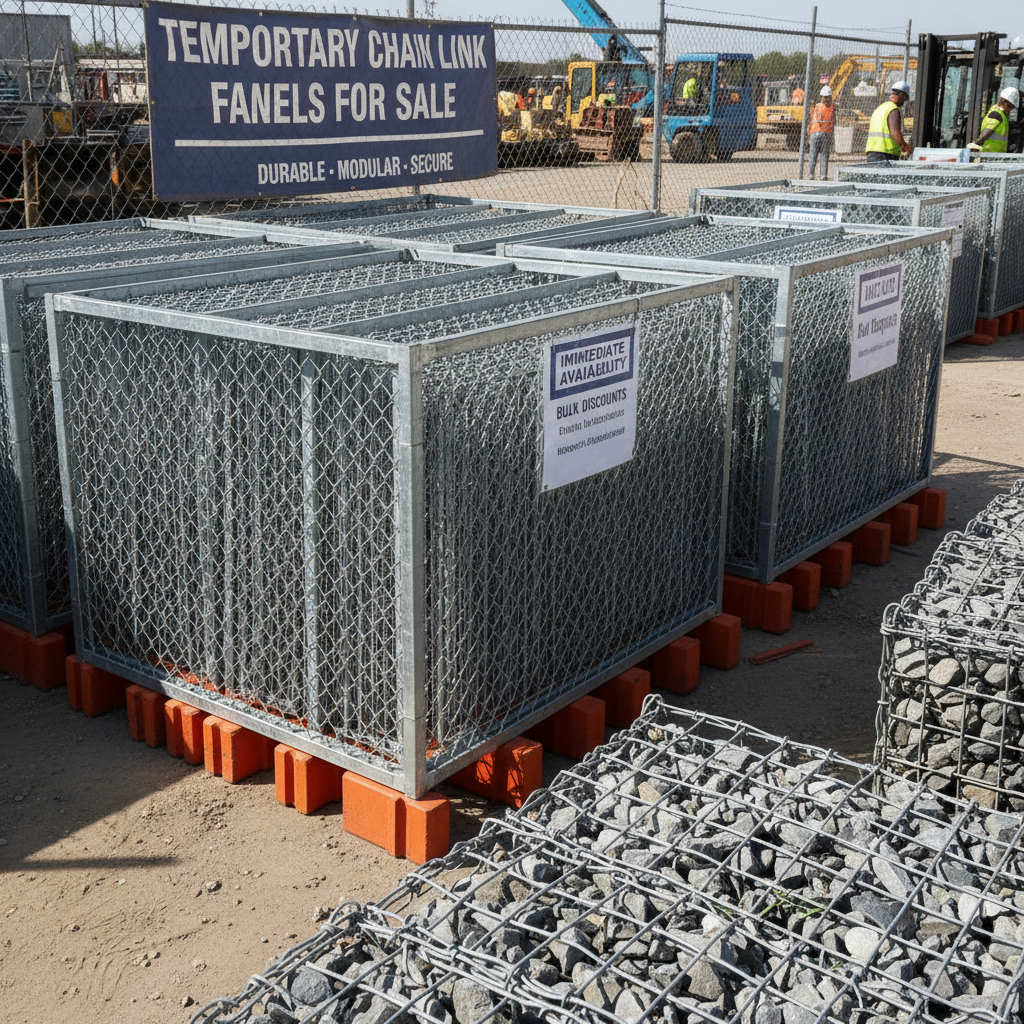
Chain link fences are primarily constructed from galvanized steel wire, which provides resistance to rust and corrosion. The wire is woven together in a diamond pattern to create the fabric. The thickness (gauge) of the wire and the size of the diamond openings determine the strength and security of the fence. Post materials commonly include galvanized steel, aluminum, or vinyl-coated steel. Top rail and tension bands also utilize similar materials for consistent durability. Huaxin Mesh offers a range of material options to suit different budgets and environmental conditions.
Key Highlights: Chain link fences offer a balance of affordability, security, and durability, making them a versatile choice for various applications.
Types of Chain Link Fence
Chain link fences come in several variations, catering to different needs and preferences. These include:
- Galvanized Chain Link: The standard option, offering good corrosion resistance.
- Vinyl-Coated Chain Link: Provides enhanced aesthetics and increased corrosion protection, available in various colors.
- Aluminum Chain Link: A lightweight and rust-proof option, ideal for residential applications near saltwater.
- Framework Options: Can be installed with steel, aluminum or wood posts.
Selecting the right type depends on the environment, budget, and desired appearance.
Chain Link Fence Type Comparison:
• Galvanized: Most economical, standard corrosion resistance.
• Vinyl-Coated: Better aesthetics, superior corrosion protection.
• Aluminum: Lightweight, rust-proof, ideal for coastal areas.
Chain Link Fence Applications
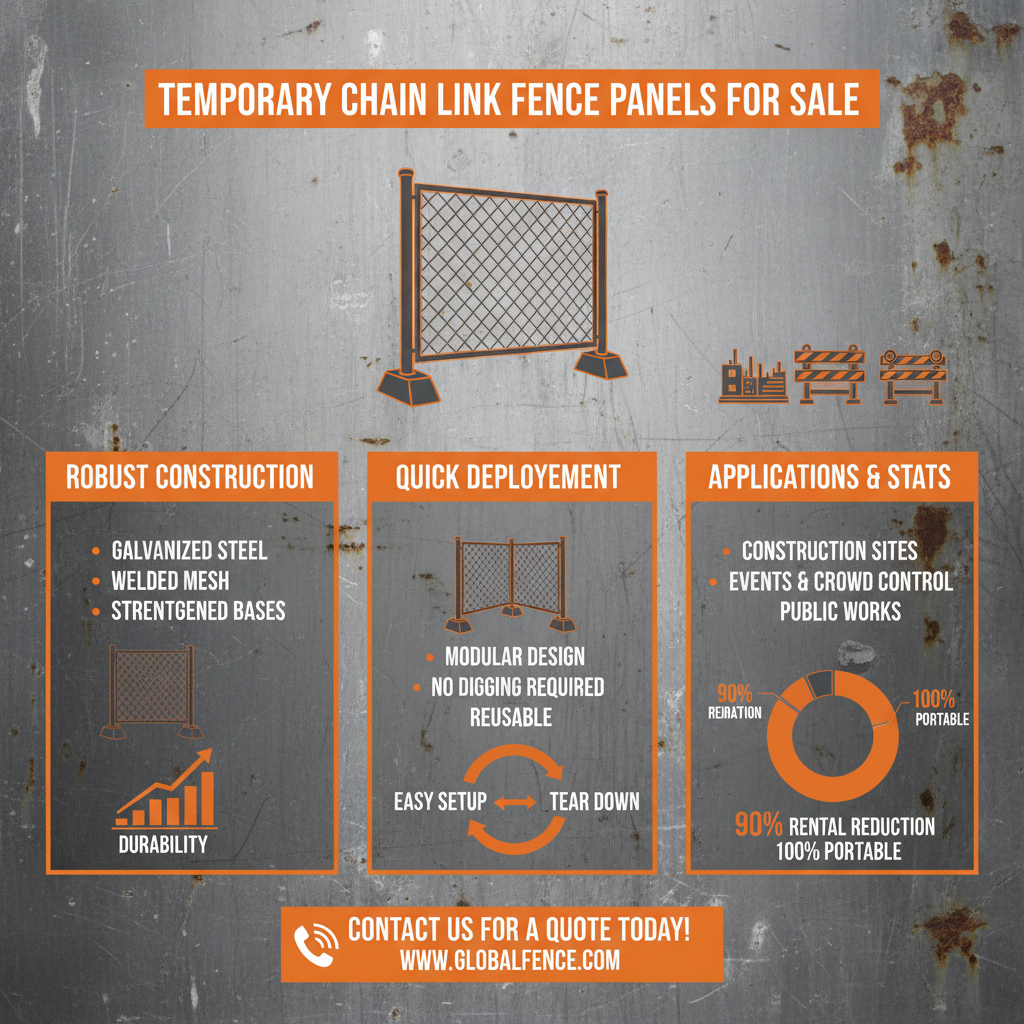
Chain link fences are incredibly versatile, finding use in a wide array of applications. Common uses include: Security fencing around commercial properties and industrial sites, Residential boundary fences for privacy and pet containment, Sports field enclosures (tennis courts, baseball fields), Dog runs and kennels, and Temporary fencing for construction sites. Their affordability and ease of installation make them a practical choice for a multitude of needs. Huaxin Mesh provides solutions tailored to each of these applications.
Installation Considerations for Chain Link Fence
Proper installation is crucial for the longevity and effectiveness of a chain link fence. Key considerations include setting posts correctly in concrete, ensuring proper tension on the fabric, and securing the top rail. Post spacing typically ranges from 8 to 10 feet. Using quality hardware, such as tension bands and brace bands, is essential. While DIY installation is possible, professional installation is often recommended to ensure the fence meets local codes and provides optimal security.
Maintaining Your Chain Link Fence
Regular maintenance can significantly extend the life of your chain link fence. This includes periodically checking for loose hardware, repairing any damaged fabric, and removing any vegetation that may be growing on or around the fence. For galvanized steel fences, applying a protective coating can help prevent rust. Vinyl-coated fences are generally easier to maintain, requiring only occasional cleaning with mild soap and water. Addressing minor issues promptly can prevent them from escalating into major repairs.
Conclusion: Choosing the Right Chain Link Fence
Investing in a chain link fence from a reputable supplier like Huaxin Mesh is a cost-effective way to enhance security, define property boundaries, and provide a durable fencing solution. By understanding the different materials, types, and installation requirements, you can make an informed decision that meets your specific needs and provides long-lasting value.
Frequently Asked Questions (FAQs)
What is the typical lifespan of a chain link fence?
A properly installed and maintained chain link fence can last for 20-30 years or even longer. The lifespan depends on several factors, including the quality of materials used, the climate, and the level of maintenance performed. Vinyl-coated chain link fences generally have a longer lifespan than galvanized steel fences due to their enhanced corrosion resistance. Regular inspection and timely repairs are crucial for maximizing the fence's longevity.
How much does a chain link fence typically cost?
The cost of a chain link fence varies depending on the height, length, gauge of the wire, type of coating, and installation costs. As a general estimate, you can expect to pay between $15 and $30 per linear foot, including materials and installation. Vinyl-coated chain link fences and those requiring more extensive site preparation will be on the higher end of this range. Getting quotes from multiple suppliers and installers is recommended to ensure you get the best price.
Can a chain link fence be installed on uneven terrain?
Yes, chain link fences can be installed on uneven terrain, but it requires more careful planning and installation techniques. The posts may need to be set at varying depths to follow the contours of the land. Rackable chain link fence is designed to conform to slopes, while stepped installations can also be used for moderate inclines. Professional installers have the experience and tools to handle these challenges effectively.
In an era of rapidly expanding global trade, international exhibitions like FEICON BATIMAT have become crucial platforms for connecting suppliers with buyers worldwide.


