
- romanian
- korean
- kyrgyz
- lao
- latin
- latvian
- malay
- malayalam
- marathi
- persian
- polish
- portuguese
- quechua
- khmer
- russian
- shona
- singapore
- spanish
- swahili
- swedish
- tajik
- thai
- ukrainian
- urdu
- vietnamese
- filipino
- azerbaijani
- bengali
- burmese
- catalan
- creole
- croatian
- czech
- danish
- deutsch
- dutch
- english
- estonian
- arabic
- finnish
- french
- greek
- gujarati
- hausa
- hindi
- hungarian
- igbo
- indonesian
- irish
- italian


Choosing the Perfect Garden Fence for Your Outdoor Space
Choosing the Right Garden Fence: A Comprehensive Guide
A garden fence isn’t just about boundaries; it's about creating a safe, private, and aesthetically pleasing outdoor space. From providing security and containing pets to enhancing your garden’s visual appeal, the right fence can significantly improve your property. This article explores the various types of garden fences, materials, installation considerations, and factors to consider when making your selection. We'll delve into how to choose a fence that suits your needs, budget, and style.
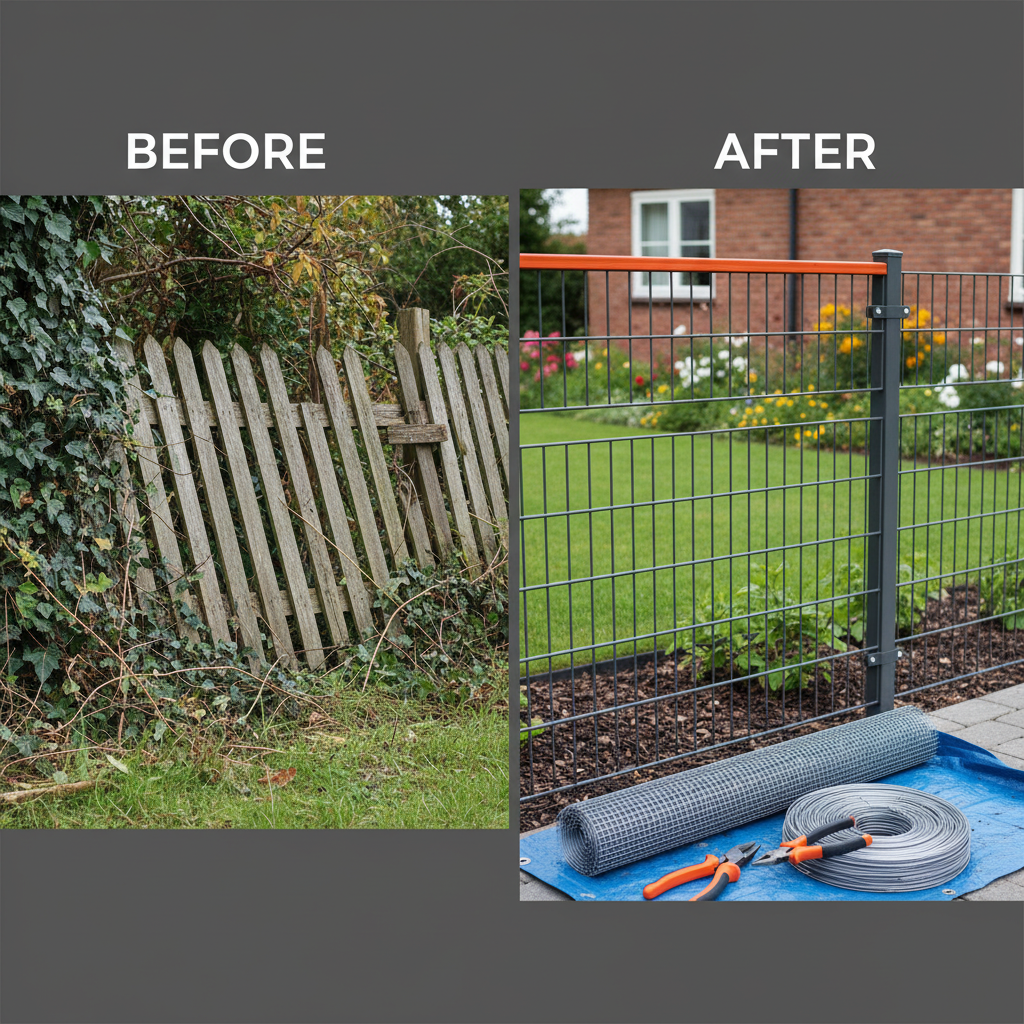
Types of Garden Fences
The world of garden fences is surprisingly diverse. Common types include:
- Panel Fencing: Offers quick installation and good privacy. Often constructed from pre-assembled panels.
- Picket Fencing: A classic choice, providing a charming, decorative look with spaced vertical boards.
- Close Board Fencing: Overlapping boards create a very secure and private fence.
- Chain Link Fencing: Practical and affordable, ideal for security and pet containment, although less aesthetically pleasing.
- Post and Rail Fencing: Rustic and open, perfect for defining boundaries in larger gardens.
Each type offers different levels of privacy, security, and aesthetic appeal. Your choice will depend on your priorities and the style of your garden.
Materials: Weighing the Options
The material of your garden fence is a crucial factor. Popular choices include:
- Wood: A natural and aesthetically pleasing option, but requires regular maintenance (painting, staining).
- Vinyl (PVC): Low maintenance, durable, and available in a variety of styles. Can be more expensive upfront.
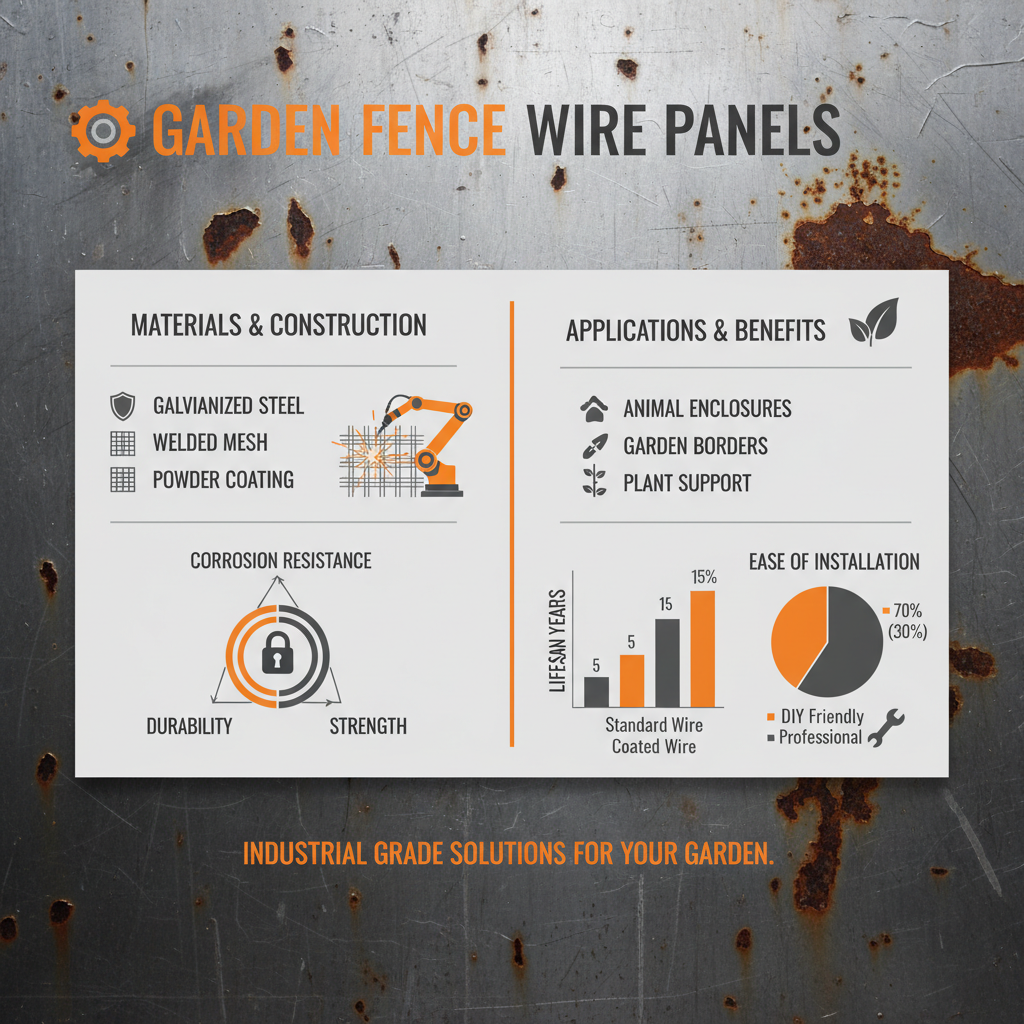
- Metal (Wrought Iron, Aluminum): Strong, durable, and often decorative. Wrought iron requires rust prevention.
- Composite: Made from a blend of wood fibers and plastic, offering the look of wood with reduced maintenance.
Consider the climate, your budget, and the level of maintenance you're willing to undertake when choosing a material.
Garden Fence Materials: A Comparative Look
Choosing the right material involves weighing the pros and cons. Here's a quick comparison:
Installation Considerations
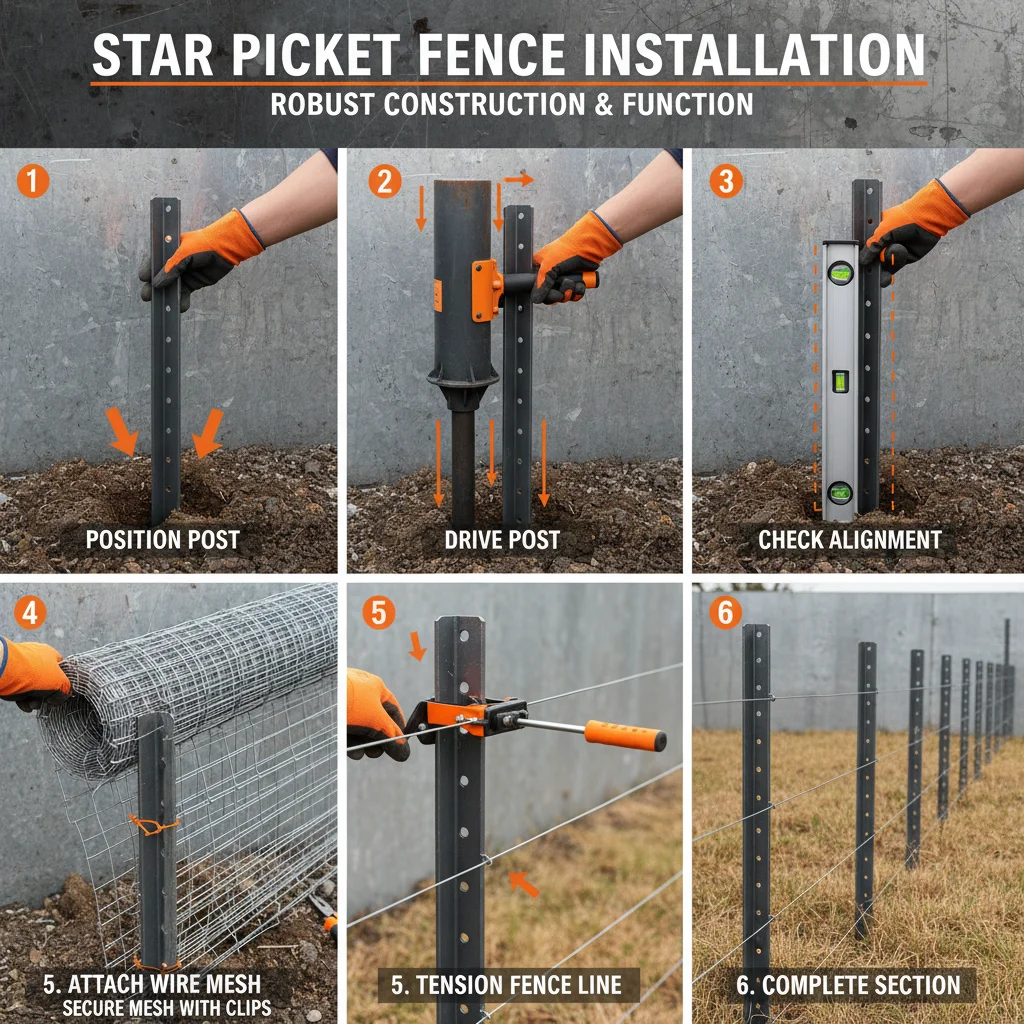
Installing a garden fence is a significant undertaking. You can choose to DIY or hire a professional. DIY installation requires careful planning, accurate measurements, and the right tools. Professional installation ensures a secure and aesthetically pleasing result, but comes at a higher cost. Always check local building codes and regulations before starting any fence installation project. Consider underground utilities and property lines to avoid potential issues.
Choosing the Right Height and Style for Your Needs
The height and style of your fence should align with your intended purpose. For privacy, a taller, solid fence is ideal. For security, a robust fence with minimal gaps is essential. For decorative purposes, a picket fence or post and rail fence can add charm to your garden. Consider the overall aesthetic of your property and choose a style that complements your home and landscape. Don't forget to factor in the views you want to preserve or block.
Conclusion: Creating Your Ideal Garden Oasis
Choosing the right garden fence is an investment in your property’s security, privacy, and aesthetic appeal. By carefully considering the types of fences, materials, installation factors, and your specific needs, you can create a beautiful and functional outdoor space that you’ll enjoy for years to come. Don’t hesitate to explore the options and find the perfect fence to complement your garden oasis.
Frequently Asked Questions (FAQs)
How long will a wood garden fence last?
The lifespan of a wood fence varies depending on the type of wood used, the climate, and the level of maintenance. Typically, a pressure-treated pine fence will last 10-20 years, while cedar or redwood fences can last 20-30 years or even longer with proper care. Regular staining or painting, and prompt repair of any damage, are crucial for extending the life of a wood fence.
What are the benefits of a vinyl fence?
Vinyl fences offer several advantages, including low maintenance (no painting or staining required), durability, resistance to rot and insects, and a variety of styles and colors. They are also relatively easy to install. While the initial cost may be higher than wood, the long-term savings on maintenance make vinyl a cost-effective option.
Do I need a permit to install a garden fence?
Yes, in most jurisdictions, you will need a permit to install a garden fence. Local building codes often regulate fence height, materials, and placement. It’s essential to check with your local city or county planning department before starting any fence installation project to ensure you comply with all regulations. Failing to obtain a permit can result in fines or the requirement to remove the fence.
How can I protect my metal fence from rust?
To protect a metal fence from rust, regular maintenance is crucial. This includes cleaning the fence regularly to remove dirt and debris, and applying a rust-inhibiting primer and paint. Galvanized steel fences offer increased rust resistance, but even these should be inspected and treated periodically. Repairing any scratches or chips in the paint promptly will prevent rust from forming.

In an era of rapidly expanding global trade, international exhibitions like FEICON BATIMAT have become crucial platforms for connecting suppliers with buyers worldwide.


