Defining property boundaries is a fundamental necessity for homeowners and commercial developers alike, ensuring that land use is clear and disputes are minimized. A high-quality boundary solution does more than just mark a line; it provides a sense of order and structure to the landscape. By integrating functional design with durable materials, property owners can achieve a balance between openness and defined territorial limits.
In the modern architectural landscape, the demand for versatile demarcation tools has grown, leading to the widespread adoption of specialized fencing. These systems are engineered to handle various environmental stressors while maintaining their structural integrity over time. Whether for a residential garden or a larger industrial plot, the right choice of materials determines the longevity and maintenance requirements of the installation.
Understanding the nuances of a Border Fence is essential for anyone looking to enhance their outdoor space without sacrificing visibility. These systems are specifically designed to clearly define property lines and offer moderate security, making them a superior choice for decorative boundaries and garden management across the globe.

Global Relevance of Boundary Demarcation
On a global scale, the precise demarcation of land is critical for maintaining legal order and social harmony. From urban residential zones in Europe to expansive agricultural estates in Asia, the need for a visible, physical barrier is constant. Industry standards, often aligned with ISO quality management principles, emphasize the importance of using materials that can withstand local climatic conditions to prevent premature degradation and costly replacements.
The primary challenge addressed by these systems is the conflict between the need for security and the desire for aesthetic openness. Traditional high-security walls can feel oppressive and obstruct views, whereas a Border Fence provides a middle ground. It establishes a clear "do not cross" signal while maintaining a welcoming atmosphere, which is essential for modern landscape architecture and urban planning.
Defining the Border Fence System
In simple terms, a border fence is a specialized perimeter solution designed to define property lines and offer moderate security. Unlike high-security industrial barriers, these systems focus on a blend of utility and visual appeal. They serve as a psychological and physical deterrent that prevents accidental trespassing while allowing the surrounding environment to remain visible and integrated.
The connection to modern industry lies in the precision of metalworking and polymer science. By utilizing specific wire diameters and mesh openings, manufacturers can create barriers that are lightweight yet sturdy. This industrial evolution allows for rapid installation and adaptability, meeting the needs of both residential homeowners and commercial facility managers who require quick, effective boundary solutions.
From a humanitarian and community perspective, these fences help in creating organized public spaces. By clearly separating pedestrian walkways from garden beds or private lawns from public sidewalks, they ensure a structured flow of traffic and protect delicate landscaping from foot traffic, thereby enhancing the overall quality of urban green spaces.
Core Components and Material Integrity
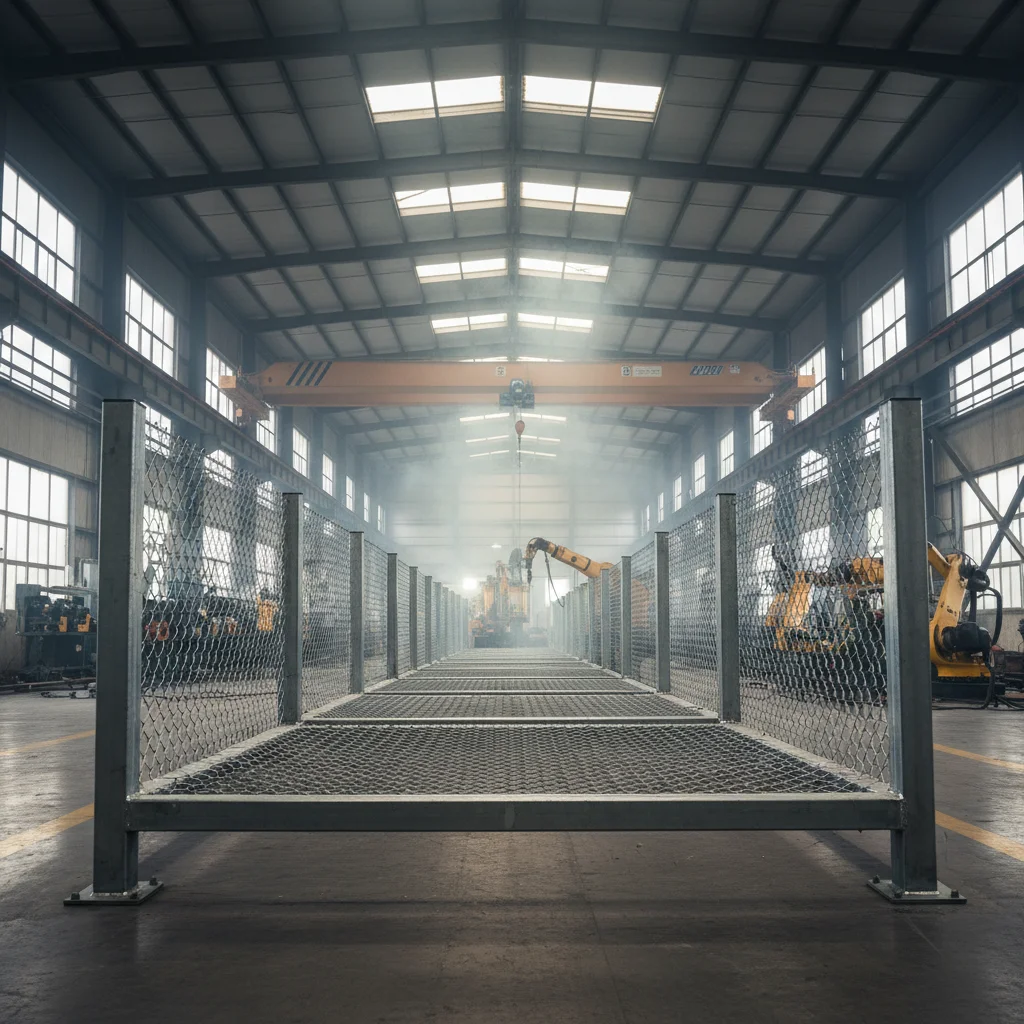
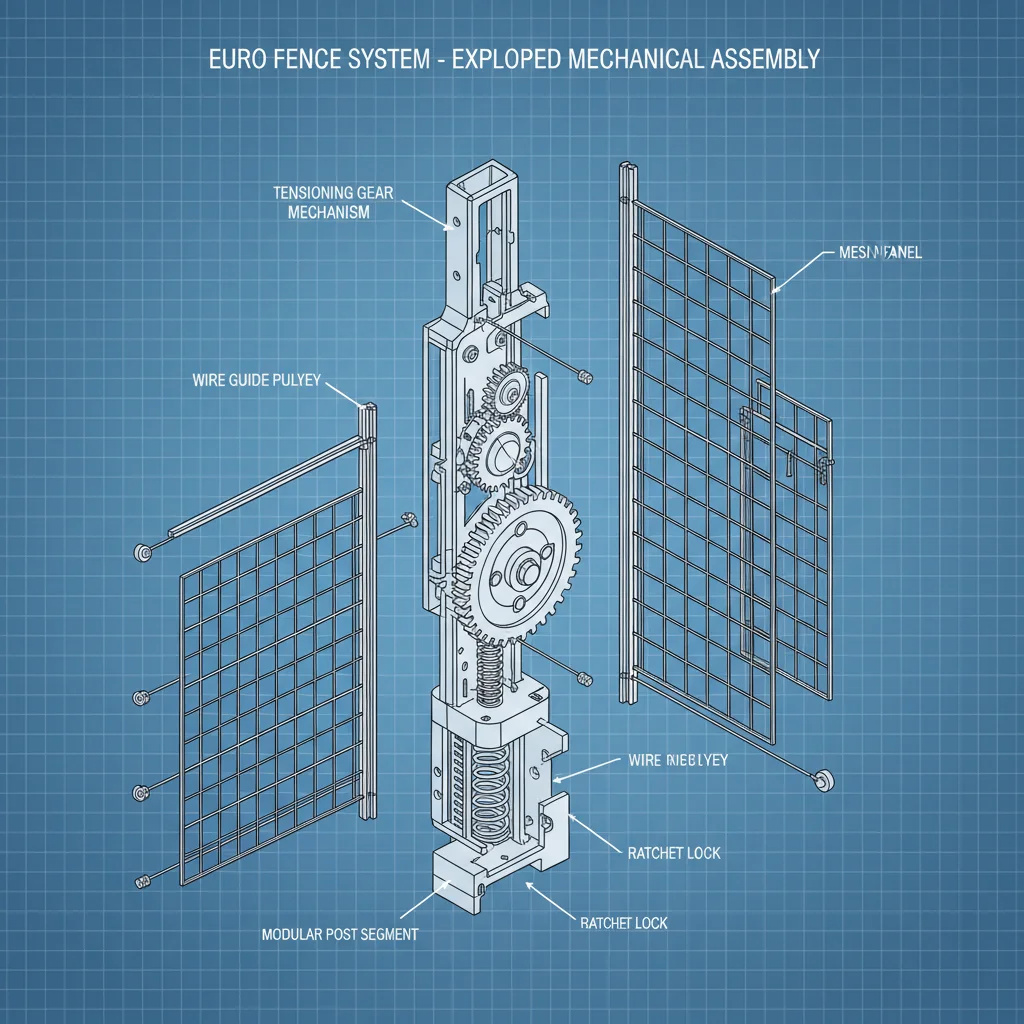
The effectiveness of a Border Fence depends heavily on the quality of its core components. The primary elements include the mesh panels, the supporting posts, and the fastening hardware. When these components are synchronized in terms of material grade and coating, the resulting structure exhibits superior resistance to oxidation and mechanical wear.
Durability is achieved through the selection of high-grade metals or reinforced plastics. For metal-based options, the wire diameter—ranging from 2.0cm to 3.2cm in specialized specifications—plays a crucial role in determining the fence's rigidity. A thicker wire provides more stability against impact, ensuring the Border Fence remains upright and functional even in high-traffic areas.
Another key factor is the mesh opening size, which dictates the level of "moderate security" provided. A smaller opening prevents small animals or debris from passing through, while a larger opening maximizes visibility. By balancing these factors, users can customize their perimeter to suit specific needs, whether it is for a decorative garden edge or a light-duty property boundary.
Performance Metrics and Scalability
Evaluating the performance of a boundary system requires looking at its scalability and ease of deployment. A modular design allows property owners to expand their perimeter as their needs grow without having to replace the entire system. This flexibility is a key driver in the selection process for expanding commercial estates or evolving residential landscapes.
The ability to maintain structural tension across varying lengths—from 10 meters to 25 meters—is a testament to the engineering behind these products. By utilizing standardized heights and lengths, the installation process is streamlined, reducing labor costs and ensuring a consistent aesthetic across the entire property line.
Border Fence Performance Comparison
Global Applications and Use Cases
In real-world contexts, these boundary systems are applied across a diverse array of industries. In the hospitality sector, luxury resorts use them to delineate private villa areas from common garden paths, ensuring guest privacy while maintaining a lush, open feel. Similarly, in botanical gardens, they are used to protect rare plant species from accidental trampling by visitors without creating a visual wall that disrupts the natural beauty.
Beyond aesthetics, they find critical use in remote industrial zones. For example, in large-scale solar farms or telecommunications sites, a Border Fence is often used to mark the perimeter of restricted utility areas. This prevents unauthorized entry into sensitive zones while remaining light enough for quick installation in rugged terrains where heavy machinery cannot easily operate.
Long-Term Value and Sustainability
The long-term value of investing in a high-quality border system extends beyond mere demarcation. From a financial perspective, the use of weather-resistant materials significantly reduces the total cost of ownership by eliminating the need for frequent painting, treating, or replacing. This reliability provides property owners with peace of mind, knowing their boundaries are secure and visually consistent.
Sustainability is also a core advantage. Modern manufacturing processes for metal fencing often incorporate recycled steel and eco-friendly powder coatings that minimize volatile organic compound (VOC) emissions. By choosing durable, long-lasting materials, users reduce the waste generated by the frequent replacement of low-quality temporary barriers.
Emotionally, a well-defined boundary fosters a sense of safety and dignity. It respects the privacy of the individual while contributing to the collective order of the neighborhood. This balance of logic (security and cost) and emotion (trust and aesthetic pride) makes the system an essential component of modern property management.
Technical Specifications and Selection
Selecting the right system requires a careful analysis of the technical parameters. The relationship between mesh opening and wire diameter determines the overall strength. For instance, a system with a 2.0/3.2cm wire diameter provides a robust structure that can withstand moderate pressure, making it suitable for boundary lines in residential yards.
Length and height variations are equally important for tailoring the fence to the specific terrain. With options ranging from 10m to 25m in length and heights adapted for decorative purposes, users can ensure that the fence fulfills its role without obstructing critical sightlines or violating local zoning laws regarding fence height.
Ultimately, the choice depends on the intended use—whether it is primarily for privacy, aesthetic enhancement, or moderate security. By matching the specific mesh and wire specifications to the environment, users can maximize the lifespan of their installation and ensure optimal performance.
Comparison of Border Fence Technical Specifications
| Model Specification | Wire Diameter (cm) | Available Lengths (m) | Security Level |
|---|
| 150x90 Standard A | 2.0 / 3.2 | 10m | Moderate |
| 150x90 Standard B | 2.0 / 3.2 | 25m | Moderate |
| 150x90 Heavy-Duty | 3.2 (Reinforced) | 10m | Enhanced |
| 150x90 Garden Edge | 2.0 | 25m | Low/Decorative |
| 150x90 Industrial Light | 2.0 / 3.2 | 10m | Moderate |
| 150x90 Custom Long | 3.2 | 25m | Moderate-High |
FAQS
A border fence is primarily designed to define property lines and enhance aesthetics while offering moderate security. Unlike high-security fences that focus on preventing intrusion with height and aggressive materials (like razor wire), a border fence is often lower and more visually open, making it ideal for gardens and residential yards where maintaining a view is important.
Metal and reinforced plastics are generally the most durable. Metal options, especially those with galvanized coatings or powder finishes, offer the best resistance to rust and corrosion. The thickness of the wire diameter (e.g., 3.2cm) significantly impacts the physical strength and lifespan of the installation in harsh environments.
Yes, due to their modular nature and flexible material options, they can be adapted to uneven terrain. By adjusting the post depths and using the available height variations, installers can follow the natural contour of the land, ensuring a professional look without requiring extensive ground leveling.
The choice depends entirely on the length of the property line you need to demarcate. For small garden patches or internal dividing lines, 10m sections are more manageable. For larger perimeter boundaries or long residential property lines, the 25m options reduce the number of joints and installation time, providing a more seamless finish.
Generally, no. High-quality metal and plastic border fences are designed for low maintenance. For metal systems, an occasional check for coating integrity and the removal of overgrown vegetation are usually sufficient to keep the fence in top condition for many years.
Yes, depending on the mesh opening size. A smaller mesh opening is effective for keeping small pets within a designated area. Since they offer moderate security and a physical barrier, they are frequently used to create safe play areas for pets while remaining unobtrusive to the neighbors.
Conclusion
In summary, a Border Fence serves as a critical tool for modern land management, blending the requirements of property demarcation, moderate security, and aesthetic appeal. By focusing on key technical parameters such as wire diameter and mesh opening, property owners can implement a solution that is both durable and visually integrated into their landscape.
Looking forward, the integration of sustainable materials and modular designs will continue to make these systems more accessible and eco-friendly. Whether for residential privacy or industrial organization, choosing a professionally engineered boundary solution ensures long-term stability and value. Visit our website for more information: www.fence-wire.com