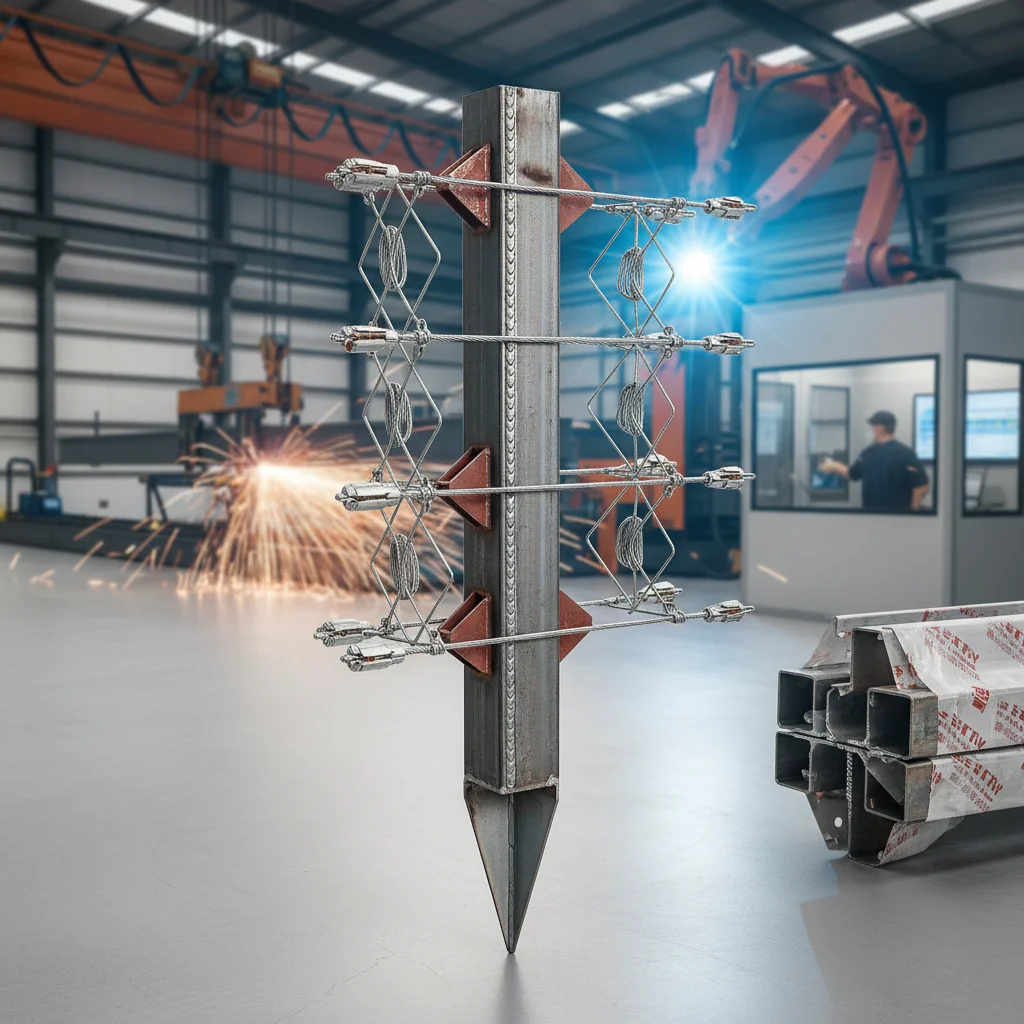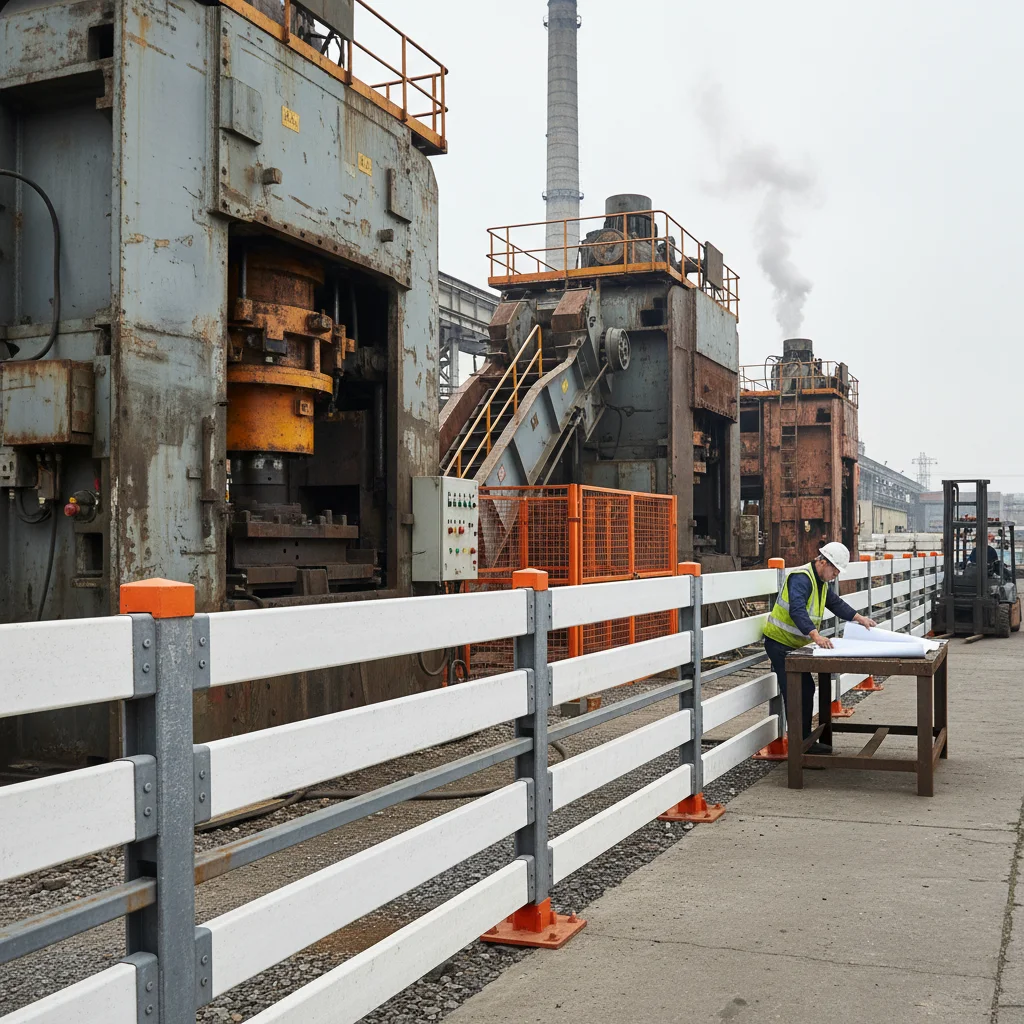


Modern Stair Picket Design for Safety and Architecture
When designing modern architectural spaces, the balance between safety and aesthetics is paramount, and the Stair Picket serves as the critical intersection of these two needs. These vertical structural elements are not merely decorative additions but essential safety barriers that prevent falls and provide necessary support for users navigating vertical transitions in residential and commercial buildings.
Across the global construction landscape, the demand for high-quality picket systems has evolved from simple wooden slats to sophisticated metal alloys and tempered glass, driven by stringent building codes and a shift toward industrial-modern interior design. Understanding the nuances of material selection and installation is key to ensuring long-term structural integrity and compliance with international safety standards.
By integrating advanced metallurgy and precision engineering, the modern Stair Picket provides an optimized solution for architects and contractors who seek to maximize open-concept visibility without compromising on the rigorous safety requirements dictated by occupancy laws.
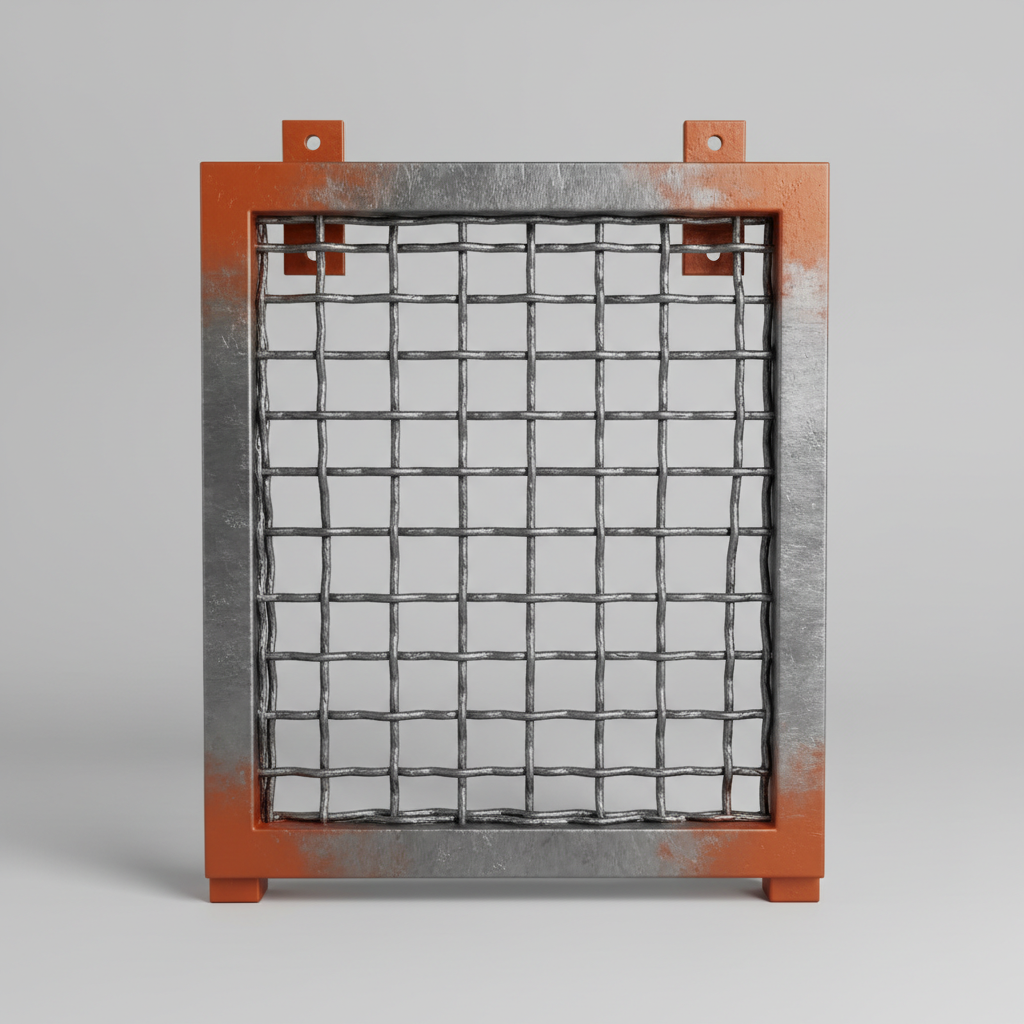
Global Standards and the Evolution of Stair Picket
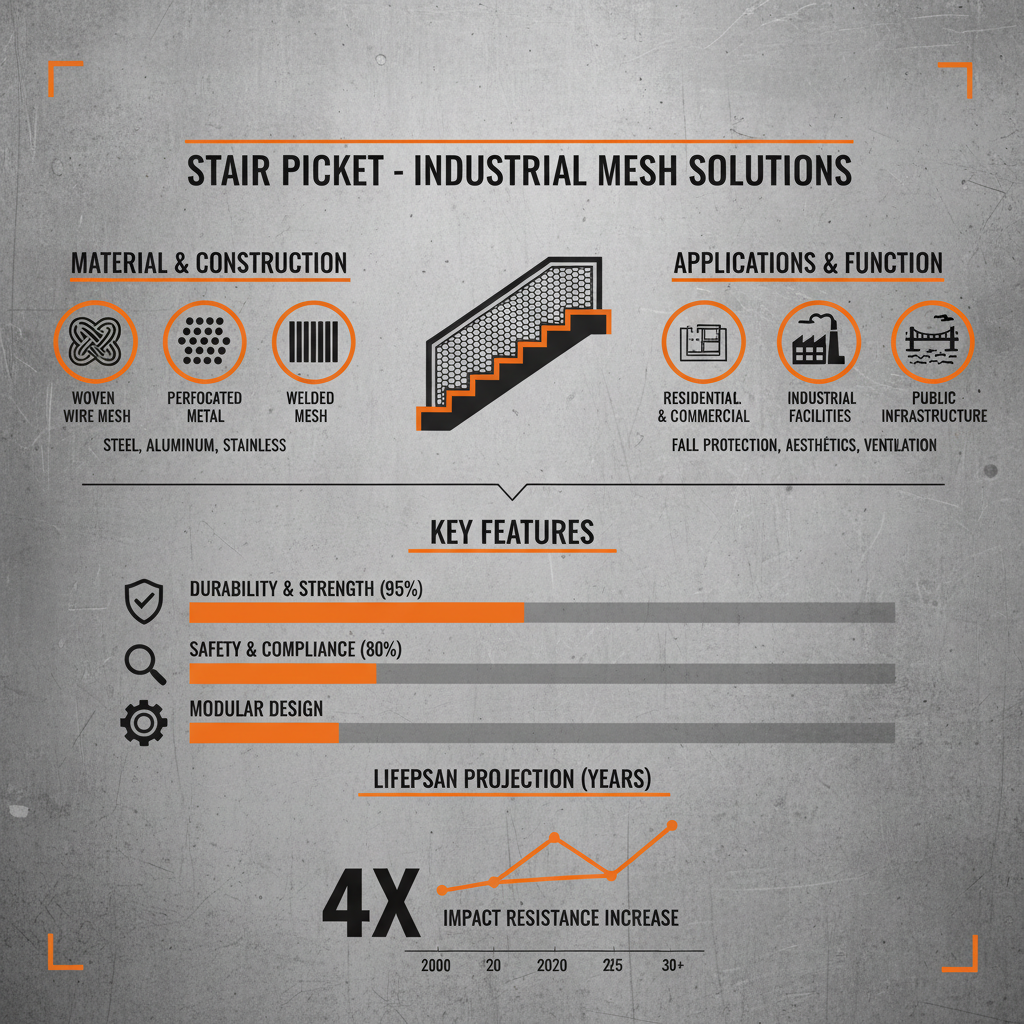
The historical trajectory of the Stair Picket has moved from rudimentary craftsmanship to a highly regulated engineering science. In the early 20th century, pickets were primarily viewed as simple fillers; however, the introduction of ISO quality standards and the International Building Code (IBC) transformed them into critical safety components. Today, global regulations typically mandate that a 4-inch sphere cannot pass between pickets, a rule designed specifically to protect toddlers and infants.
This shift toward standardization has forced manufacturers in the metal products industry to adopt tighter tolerances and higher-grade alloys. The global market now prioritizes materials that can withstand significant lateral pressure while maintaining a slender profile, ensuring that the Stair Picket fulfills both the psychological need for security and the physical requirement of structural support.
FAQS
In most international building codes, including the IBC, the maximum allowable gap between a Stair Picket and its adjacent member is 4 inches (approx. 10cm). This is a critical safety measure to prevent small children from sliding through the railing. Always verify your local municipal codes to ensure full compliance during the design phase.
Yes, aluminum is an excellent choice for outdoor applications. Due to its natural oxide layer and the ability to be anodized or powder-coated, an aluminum Stair Picket provides superior resistance to rain, snow, and humidity compared to untreated steel, significantly reducing the risk of rust and structural decay.
The choice depends on the environment. 304 stainless steel is suitable for most indoor and standard outdoor residential uses. However, if the Stair Picket will be installed in a coastal area or an industrial plant with exposure to chlorides or chemicals, 316-grade stainless steel is required for its higher molybdenum content, which prevents pitting corrosion.
There are two main methods: surface mounting and drilling. Surface mounting uses a metal shoe or bracket that is screwed into the tread. Drilling involves creating a hole in the stair tread, inserting the Stair Picket, and securing it with high-strength epoxy or welding for a more seamless, integrated look.
It depends on the finish. Powder-coated or anodized pickets do not require painting as they have a durable protective layer. However, raw mild steel pickets must be primed and painted or galvanized to prevent rust. We recommend factory-finished Stair Picket options for the most consistent and longest-lasting protection.