
- romanian
- korean
- kyrgyz
- lao
- latin
- latvian
- malay
- malayalam
- marathi
- persian
- polish
- portuguese
- quechua
- khmer
- russian
- shona
- singapore
- spanish
- swahili
- swedish
- tajik
- thai
- ukrainian
- urdu
- vietnamese
- filipino
- azerbaijani
- bengali
- burmese
- catalan
- creole
- croatian
- czech
- danish
- deutsch
- dutch
- english
- estonian
- arabic
- finnish
- french
- greek
- gujarati
- hausa
- hindi
- hungarian
- igbo
- indonesian
- irish
- italian


Choosing the Perfect Single Garden Gate for Your Property’s Curb Appeal
Choosing the Right Single Garden Gate for Your Property
A single garden gate isn't just an entrance; it’s a statement piece that enhances your property's curb appeal, provides security, and adds a touch of personality. Selecting the right gate involves considering factors like material, size, style, and functionality. This article will guide you through the essential aspects of choosing a single garden gate, helping you make an informed decision that perfectly complements your outdoor space. We will cover everything from the various materials available to the importance of proper installation, ensuring longevity and aesthetic appeal.
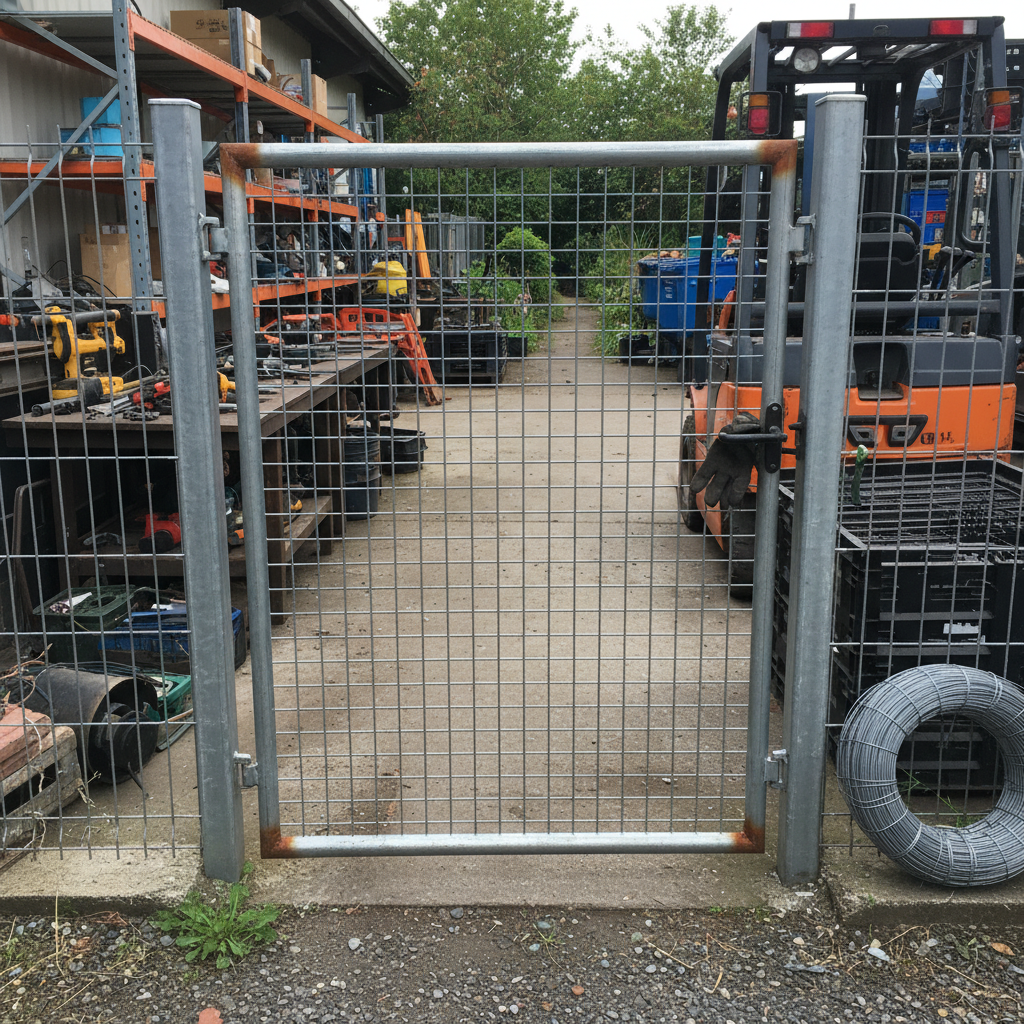
Material Options: Finding the Perfect Fit
The material of your single garden gate significantly impacts its durability, appearance, and maintenance requirements. Common materials include wood, metal (such as wrought iron, steel, and aluminum), and composite materials. Wood offers a classic, natural look but requires regular staining and sealing to prevent weathering. Metal gates are known for their strength and longevity, often requiring less maintenance than wood, but can be more expensive. Composite gates offer a balance of durability and low maintenance, mimicking the look of wood without the associated upkeep. Each material has its own advantages and disadvantages, and the best choice depends on your budget, aesthetic preferences, and local climate conditions.
Key Highlights: Selecting the right material is crucial for ensuring the gate’s longevity and aesthetic appeal. Consider the climate, maintenance requirements, and desired look when making your decision.
Styles and Designs: Complementing Your Landscape
Garden gates come in a vast array of styles, from traditional arched designs to modern, minimalist options. Consider the architectural style of your home and the overall landscape design when choosing a gate. A rustic wooden gate complements a cottage-style garden, while a sleek metal gate suits a contemporary landscape. You can also customize your gate with decorative elements like finials, scrolls, or panels. Matching the gate's style to your property’s aesthetic will create a cohesive and visually appealing outdoor space. Think about the level of privacy you require, as some gates offer more screening than others.
Style Considerations:
• Traditional: Arched, ornate designs
• Modern: Sleek, minimalist lines
• Rustic: Natural wood, weathered finishes
• Cottage: Charming, floral accents
Comparing Gate Materials: A Detailed Look
Choosing between different gate materials can be challenging. Here’s a comparison to help you decide:
Installation and Hardware Considerations
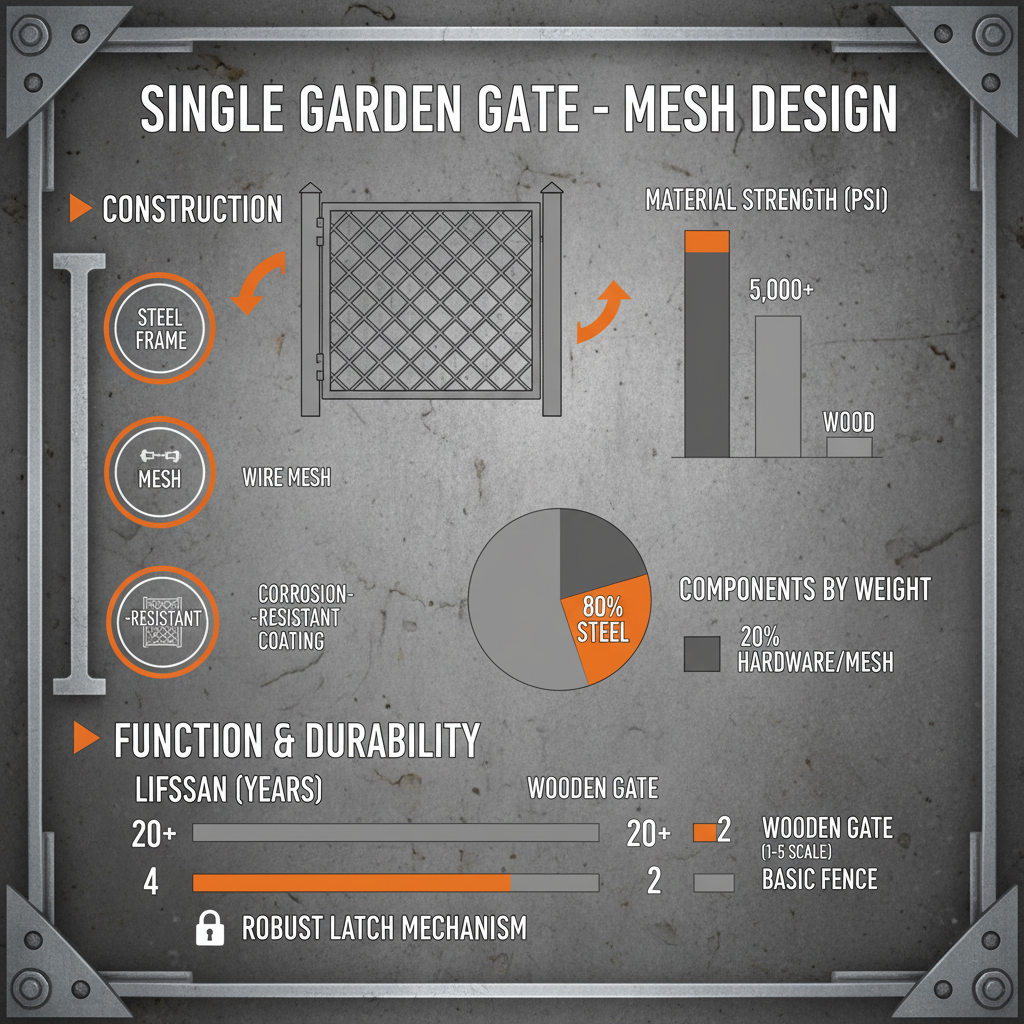
Proper installation is crucial for ensuring the longevity and functionality of your single garden gate. Consider the gate’s weight and the type of posts it will be attached to. Heavy gates require robust posts and sturdy hinges. Choose high-quality hardware, including hinges, latches, and handles, that are resistant to corrosion and weathering. If you're not comfortable with DIY installation, it's best to hire a professional to ensure a secure and properly functioning gate. Ensure the gate swings smoothly and latches securely.
Ensuring Security and Privacy with Your Gate
A garden gate isn’t just about aesthetics; it also contributes to the security and privacy of your property. Consider adding a locking mechanism for enhanced security. For increased privacy, choose a gate with a solid design or add screening elements like lattice or plants. The height of the gate also plays a role in privacy. A taller gate offers more seclusion than a shorter one. When choosing a locking mechanism, opt for one that is durable and difficult to pick or bypass.
Conclusion: A Welcoming Entrance, Securely Designed
Choosing the right single garden gate is a significant investment in your property's appearance, security, and functionality. By carefully considering the material, style, installation, and security features, you can create a welcoming entrance that enhances your outdoor space for years to come. Don't hesitate to explore the diverse options available and choose a gate that reflects your personal taste and meets your specific needs.
Frequently Asked Questions (FAQs)
What is the best material for a garden gate in a coastal environment?
In coastal environments, salt air can corrode many materials. Aluminum and composite gates are the best choices due to their resistance to rust and weathering. Wrought iron can be used, but it requires regular maintenance with rust-preventative coatings. Avoid wood if possible, as it’s susceptible to rot and decay in humid, salty conditions. Look for hardware specifically designed for marine environments for maximum durability.
How do I measure for a garden gate?
Accurate measurements are essential for a proper fit. Measure the width of the opening between your gate posts at the top, middle, and bottom. Use the narrowest measurement to determine the gate width. You'll need to subtract a few inches (typically 1-2 inches) to allow for hinge clearance and smooth operation. Measure the height of the opening to determine the gate height. Also, consider the ground clearance – you may want to leave a small gap at the bottom of the gate for landscaping or drainage.
Can I paint a metal garden gate myself?
Yes, you can paint a metal garden gate yourself, but proper preparation is key. First, remove any rust or flaking paint with a wire brush or sandpaper. Clean the surface thoroughly with a degreaser and allow it to dry completely. Apply a metal primer to prevent rust and promote paint adhesion. Finally, apply two coats of exterior-grade metal paint, allowing each coat to dry fully before applying the next. Choose a paint specifically designed for outdoor metal surfaces.
What type of hinges should I use for a heavy garden gate?
For a heavy garden gate, you'll need heavy-duty hinges capable of supporting the weight. Stainless steel hinges are a good choice for their durability and rust resistance. Use at least three hinges for a gate over 4 feet wide to ensure proper support and smooth operation. Consider using strap hinges, which provide greater strength and stability. Ensure the hinges are securely mounted to both the gate and the gate posts.

In an era of rapidly expanding global trade, international exhibitions like FEICON BATIMAT have become crucial platforms for connecting suppliers with buyers worldwide.


