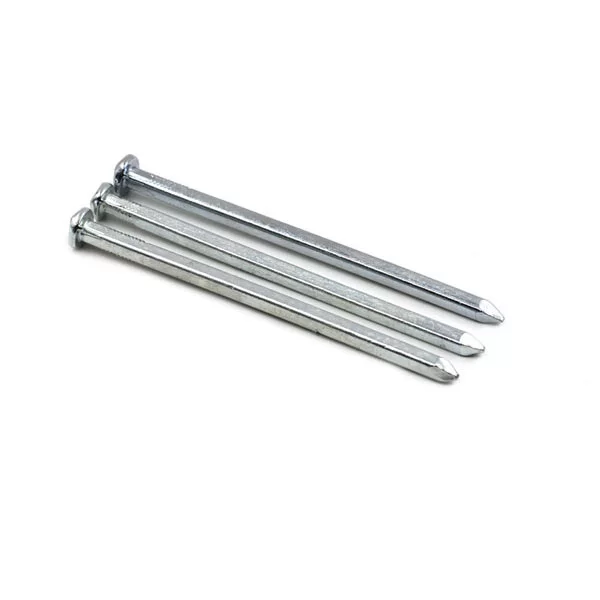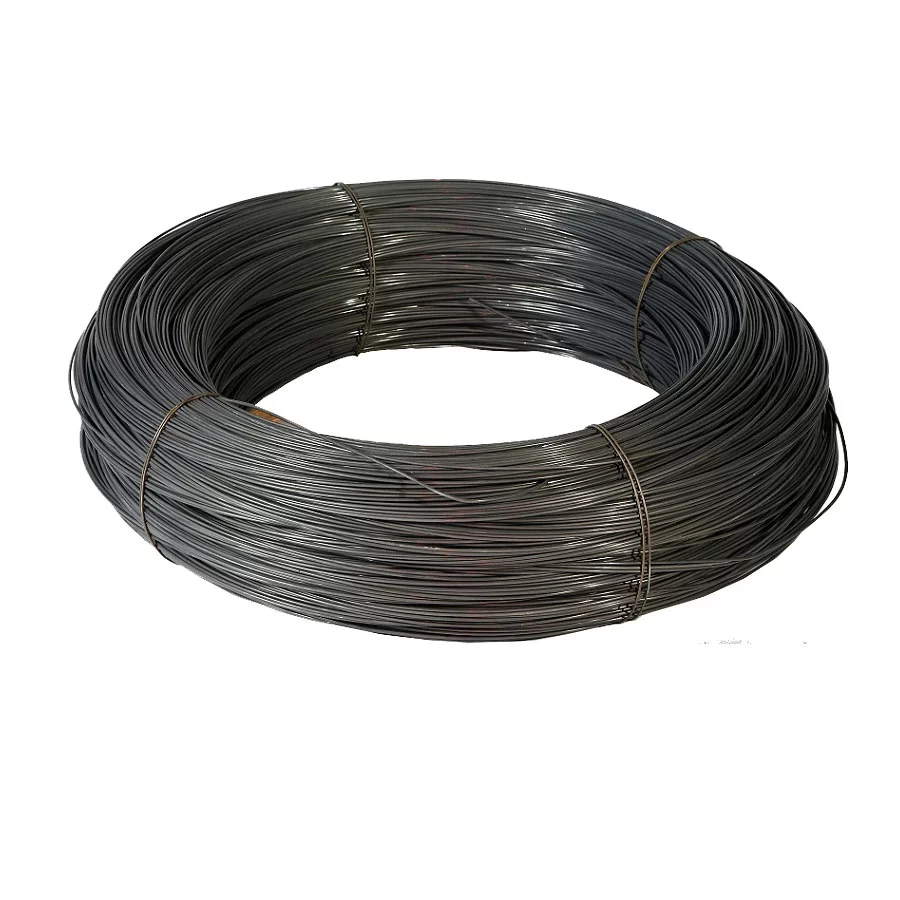


Industrial Spiral Coil Nails Manufacturing by Nails Factory
Efficiency in large-scale assembly depends heavily on the synergy between pneumatic tooling and fastener reliability. Spiral Coil Nails are precision-engineered industrial fasteners designed to eliminate the bottlenecks of manual loading by providing a continuous, coiled feed system. This configuration allows operators to maintain high-speed installation rates in demanding environments, such as pallet manufacturing and heavy-duty framing, where downtime translates directly to lost revenue. By optimizing the feeding mechanism, these fasteners significantly reduce labor costs and compress project timelines.
For procurement managers and site engineers, the choice of coil nail involves more than just length; it requires a strategic balance of material grade, shank geometry, and protective coatings. Whether the application involves high-moisture outdoor decking or rigorous industrial packaging, selecting the correct specification ensures structural integrity and tool compatibility. From Q195 carbon steel for general use to specialized coatings for corrosion resistance, these components are critical to the stability of modern construction and logistics infrastructure.

Technical Architecture and Material Composition of High-Performance Coil Fasteners
The performance of a coil nail is primarily dictated by its metallurgical properties and surface treatment. Utilizing high-grade carbon steels such as Q195 and Q235, these fasteners provide the necessary balance between tensile strength and ductility. This ensures that the nail can penetrate hard timber without snapping while maintaining enough flexibility to resist shear forces once embedded. The precision engineering of the shank diameter—typically 3.05mm—is critical to prevent jams within the pneumatic nail gun, ensuring a seamless flow of materials during high-volume operations.
Surface finishes are not merely aesthetic but functional barriers against environmental degradation. Electro-galvanized coatings provide a primary layer of protection against oxidation, while specialized yellow, blue, and red finishes are often employed for specific industrial coding or enhanced resistance. In high-corrosion environments, the choice of coating determines the long-term viability of the fastening system, preventing rust streaks and structural weakening over time. These technical specifications are rigorously monitored to meet international building and packaging standards.
- Material Grade: Q195/Q235 for optimized hardness and penetration.
- Precision Diameter: Strict adherence to 0.12 inch (3.05mm) to ensure tool compatibility.
- Coating Variety: Electro-Galvanized and specialized polymer finishes for varied atmospheric exposure.
- Consistency: Low variance in length (25mm to 150mm) to ensure uniform depth of penetration.

Operational Advantages of Coiled Configuration in Industrial Assembly
The transition from traditional loose nails to spiral coils represents a fundamental shift in productivity. The primary value lies in the continuous feeding mechanism, which allows pneumatic guns to fire hundreds of fasteners without the need for manual reloading. This is particularly advantageous in pallet making and roofing, where the volume of fasteners required is immense. By reducing the "stop-start" cycle of installation, enterprises can achieve a significant increase in hourly output while reducing the physical strain on the workforce.
Beyond speed, the variety of shank types allows for application-specific holding power. Smooth shanks are efficient for general assembly where rapid removal might be necessary. In contrast, Ring and Screw shanks are engineered for maximum withdrawal resistance. The ridges on a ring shank grip the wood fibers tightly, creating a mechanical lock that is far superior to smooth fasteners. This is essential for structural framing and fencing projects where wind loads or mechanical vibrations could otherwise loosen the joints.
The scalability of the coil capacity—ranging from small 125-piece packs to bulk 3000-piece coils—allows businesses to match their fastener supply with their specific tool capacity and project scale. This flexibility ensures that logistics costs are optimized and tool downtime is minimized across different operational tiers.
Application Mapping: Matching Fastener Specifications to Industry Needs
Selecting the appropriate nail requires an understanding of the substrate and the environmental stressors. In the pallet manufacturing industry, speed and cost-efficiency are the primary drivers. Here, smooth shank nails with bright or electro-galvanized finishes are typically preferred for their rapid penetration and adequate hold for short-term logistics use. The focus is on high-volume throughput and minimizing material waste per unit.
In the construction and roofing sector, the requirements shift toward durability and extreme holding power. Heavy-duty framing often demands longer nails (up to 150mm) with ring shanks to ensure that the structure remains rigid under load. Furthermore, roofing applications exposed to the elements necessitate high-grade galvanization to prevent rust-through, which could compromise the waterproof integrity of the building envelope.
For professional fencing and outdoor decking, the combination of a screw shank and an electro-galvanized finish is the industry standard. This combination addresses the dual challenge of high pull-out resistance and long-term exposure to soil moisture and humidity. By mapping the specific fastener attribute to the project requirement, engineers can avoid common failures such as "nail pop" or premature corrosion.
Fastener Selection Matrix for Industrial Applications
| Application Scenario | Recommended Shank | Optimal Coating | Primary Requirement |
|---|---|---|---|
| Pallet Manufacturing | Smooth | Bright / E.G. | High-Speed Throughput |
| Structural Framing | Ring / Screw | Electro-Galvanized | Withdrawal Resistance |
| Outdoor Fencing | Ring | Yellow / Blue / E.G. | Corrosion Protection |
| Roofing Installation | Smooth / Ring | Electro-Galvanized | Environmental Seal |
| Furniture Packing | Smooth | Bright | Low Substrate Damage |
Supply Chain Reliability and Quality Assurance in Fastener Procurement
For high-volume buyers, the reliability of the supplier is as critical as the product specification. Inconsistent nail diameters or poor coil winding can lead to frequent tool jams, which halts production lines and increases labor costs. A professional manufacturing approach involves rigorous testing of material hardness and coating thickness. By utilizing standardized carbon steels like Q195 and Q235, manufacturers ensure that every batch maintains the same penetration force and structural integrity, regardless of the order size.
Procurement strategy should also consider the Minimum Order Quantity (MOQ) and logistics optimization. Given the high weight of metal products, strategic packaging is essential to minimize transport costs. A supplier capable of handling bulk orders (e.g., 2 tons and above) while maintaining strict quality control provides a significant competitive advantage to the buyer. Transparency in the production pipeline—from wire drawing to final packaging—allows for better inventory planning and reduced risk of supply chain disruptions.
Furthermore, technical support from the manufacturer helps buyers avoid costly mistakes. Expert guidance on selecting the right shank type for a specific wood density or the correct coating for a particular climate ensures that the end product meets safety standards and longevity expectations. This partnership between the Nails Factory and the end-user is what drives long-term project success.
Future Trends in Pneumatic Fastening and Industrial Efficiency
The industrial fastening landscape is moving toward greater specialization and sustainability. We are seeing an increased demand for "smart" fasteners that offer higher grip with lower material volume, reducing the overall weight of the finished product without sacrificing strength. Additionally, the shift toward more eco-friendly coatings that provide the same corrosion resistance as traditional galvanization without the environmental impact of certain chemical processes is becoming a priority for global construction firms.
Integration with advanced pneumatic systems is also evolving. As nail guns become more precise in their firing mechanisms, the tolerance for nail diameter and length becomes even tighter. This puts more pressure on manufacturers to implement automated quality inspection systems. The goal is to achieve "zero-jam" performance, where the precision of the nail matches the precision of the tool perfectly, regardless of the environmental conditions on the job site.
Ultimately, the trend is toward a total-system approach. Rather than viewing the nail as a commodity, industry leaders are treating it as a critical component of a larger engineering system. This involves analyzing the interaction between the pneumatic pressure, the wood species, the nail geometry, and the atmospheric conditions to optimize the fastening process for maximum speed and minimum failure rate.
Industrial Fastening: Frequently Asked Questions
What is the difference between Ring and Smooth shank coil nails?
Smooth shanks are ideal for general assembly and rapid penetration where extreme grip is not required. Ring shanks feature small ridges along the shaft that grip the wood fibers, providing significantly higher pull-out resistance, making them essential for structural applications.
Which coating should I choose for outdoor fencing projects?
For outdoor applications, we recommend Electro-Galvanized (E.G) or specialized coatings like Yellow or Blue to prevent rust and ensure long-term structural integrity against moisture and weather exposure.
Are these coil nails compatible with all pneumatic nail guns?
Our nails are designed for standard pneumatic coil nailers. However, we recommend verifying your tool's supported shank diameter (e.g., 3.05mm) and the specific length range the magazine can accommodate.
What is the minimum order quantity for custom specifications?
The standard minimum order quantity (MOQ) is 2 tons. This volume ensures the most competitive industrial pricing and allows for the efficient setup of production machinery for custom lengths or coatings.
Can you provide different nail counts per coil?
Yes, we offer a wide range of capacities to match different tool magazines, including 125, 150, 200, 250, 300, 350, 400, and high-capacity bulk coils up to 3000 pieces.
Which materials are used for the nail shanks?
We utilize high-quality Q195 and Q235 carbon steel. These materials provide the ideal balance of strength to prevent bending and ductility to ensure the nail penetrates the substrate without fracturing.
Technical Resources and Industry Standards
- ASTM International - Material Standards for Fasteners
- ISO Standards for Metallic Coatings and Corrosion
- NIST - Material Science and Engineering Data
- OSHA - Construction Safety and Tooling Guidelines
Optimizing your assembly line requires a strategic choice of fasteners. By aligning material grade and shank geometry with your specific application, you can reduce labor costs and increase structural reliability. Contact our engineering team today for a technical consultation on the best coil nail specifications for your project.
Related Industrial Fastening Solutions