In the modern landscape of industrial materials, the demand for high-performance protective coatings has led to the widespread adoption of Nylon Coated Wire. This specialized material combines the inherent strength of a metallic core with the chemical and physical resilience of a nylon polymer, creating a versatile solution for challenging environments. By reducing friction and preventing corrosion, it has become an essential component in sectors ranging from agricultural fencing to heavy-duty industrial cabling.
The global shift toward sustainable infrastructure and long-term durability has placed a premium on materials that can withstand extreme weathering without frequent replacement. This is where the strategic application of nylon coatings provides a critical advantage, offering a barrier against oxidation and mechanical wear that untreated steel simply cannot match. As industries seek to optimize their operational costs, the transition to coated solutions reflects a broader commitment to efficiency and reliability.
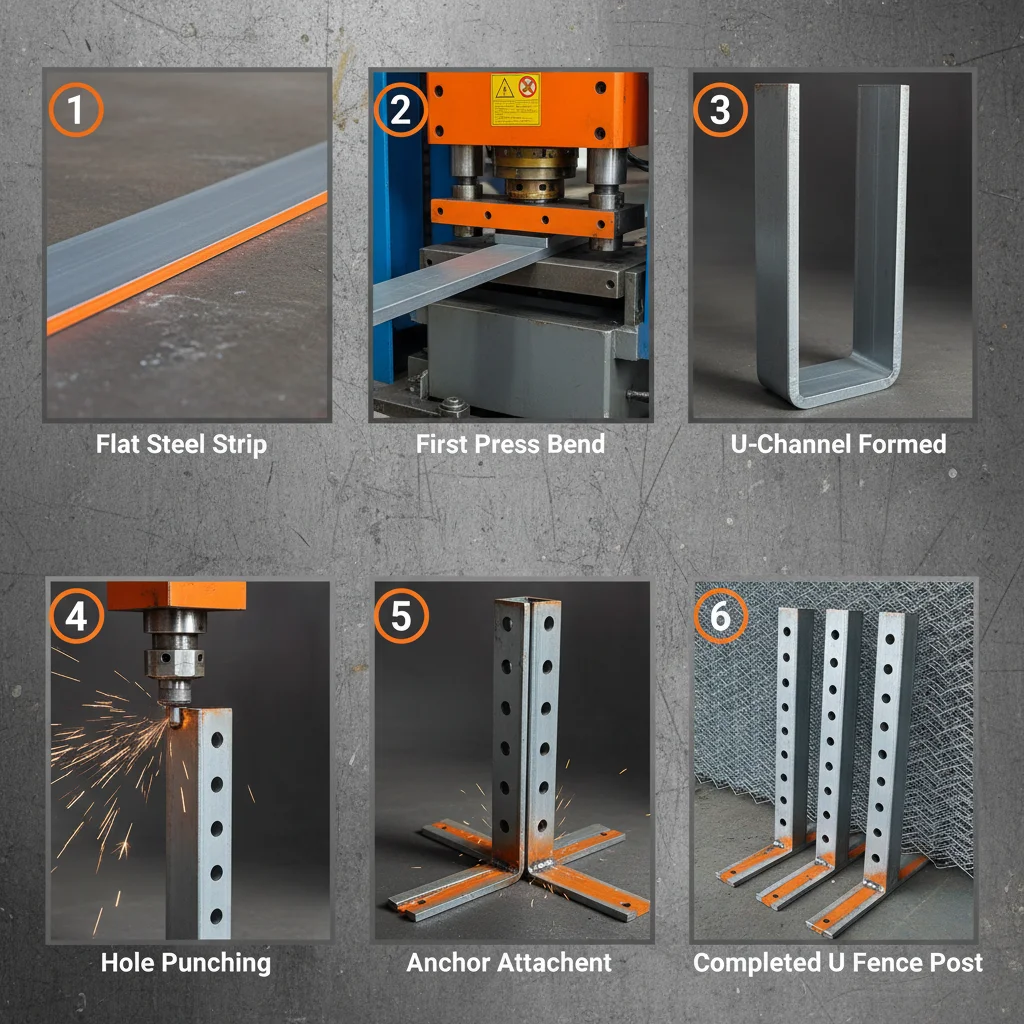
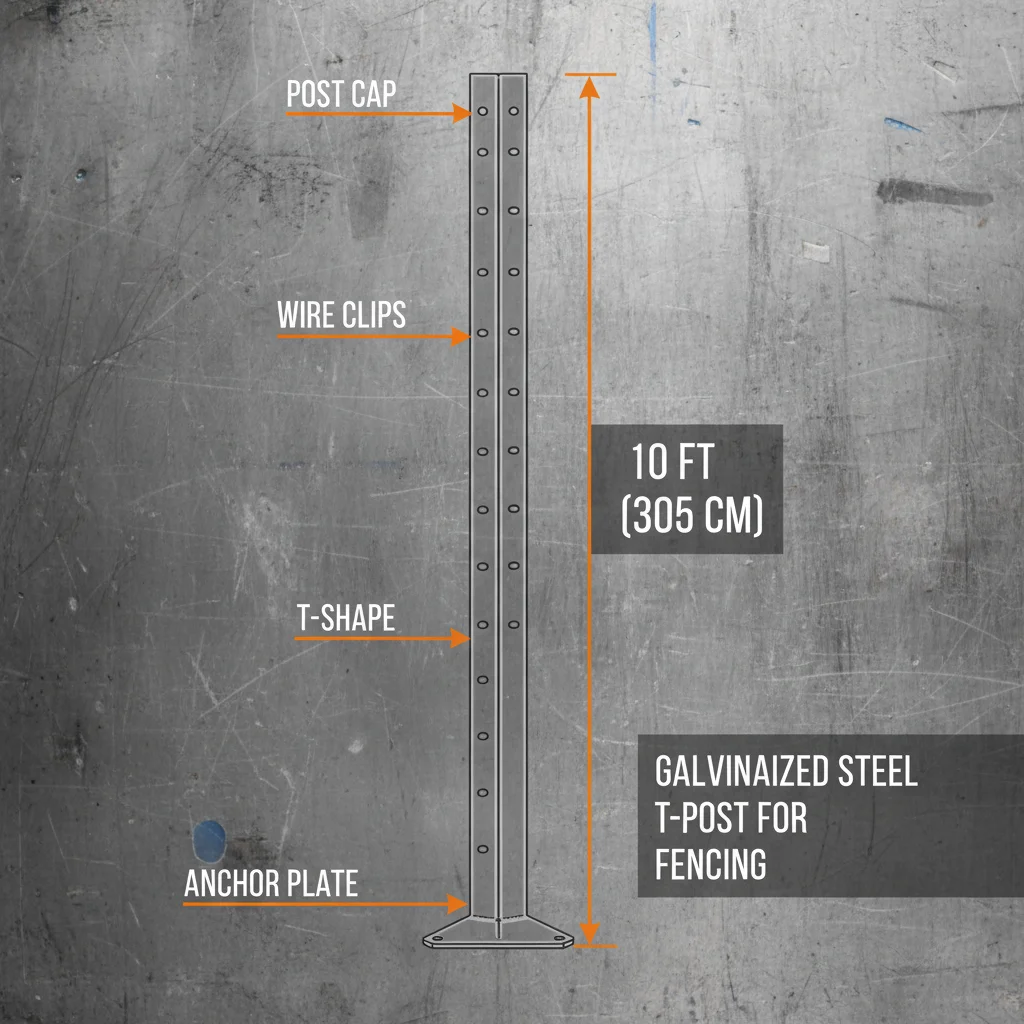
Whether utilized in boundary marking, security installations, or specialized agricultural setups, Nylon Coated Wire provides the perfect balance of flexibility and tenacity. By integrating these advanced materials with robust structural supports like the L Post, businesses can ensure their infrastructure remains intact under the most rigorous conditions, thereby securing their investments and enhancing overall site safety.

Global Relevance of Nylon Coated Wire
Across the globe, the industrialization of agriculture and the expansion of urban infrastructure have created an urgent need for materials that can resist corrosion. According to ISO standards for metallic coatings, the longevity of a fence or a support system is directly tied to its ability to repel moisture and chemical pollutants. Nylon Coated Wire addresses this by providing a non-reactive layer that isolates the steel core from the elements, significantly extending the lifecycle of the installation.
In regions with high humidity or saline air, such as coastal industrial zones, the degradation of standard iron wire can occur rapidly. The implementation of nylon-coated solutions minimizes the risk of structural failure and reduces the frequency of maintenance cycles. This global relevance is not merely about product preference but about the economic necessity of reducing downtime and material waste in large-scale projects.
Defining the Utility of Nylon Coated Wire
At its most basic level, Nylon Coated Wire is a composite product consisting of a high-tensile metal wire—typically steel or iron—encapsulated in a thin, durable layer of nylon polymer. This combination allows the product to maintain the structural rigidity required for fencing and support, while gaining the surface properties of plastic, such as smoothness, color customization, and chemical resistance.
From an industrial perspective, this coating serves as a critical interface between the hardware and the environment. In humanitarian or agricultural contexts, such as livestock containment or temporary perimeter marking, the nylon layer prevents the wire from causing excessive abrasion to animals or personnel, adding a layer of safety and ethics to the utility of the fence.
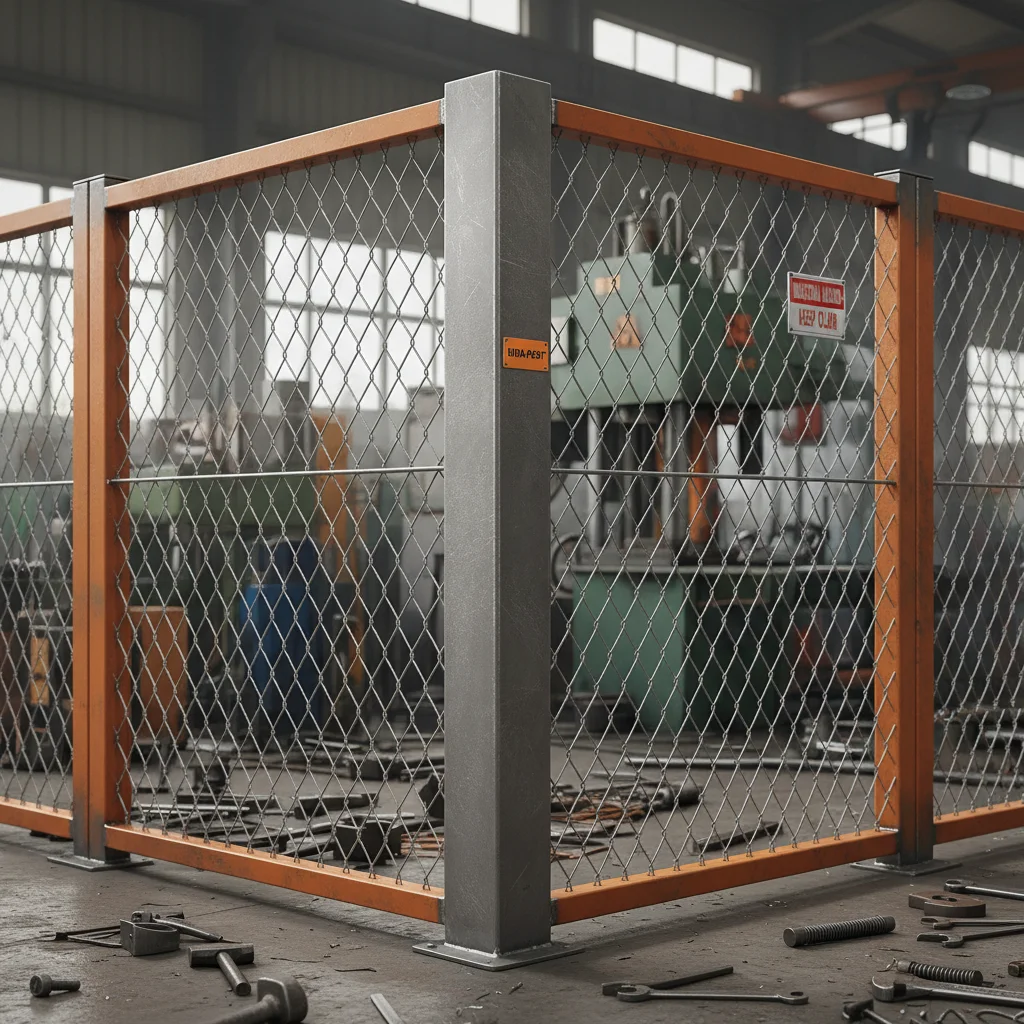
The connection to modern industry is evident in how this material integrates with other components. For instance, when paired with an L Post, the coated wire ensures that the tension points remain protected from rust, ensuring that the overall integrity of the fencing system is maintained for decades rather than years.
Core Components of Coated Wire Performance
The effectiveness of Nylon Coated Wire depends on several key factors, the most prominent being its durability. The nylon sheath acts as a shock absorber and a moisture barrier, ensuring that the internal metal core does not succumb to oxidation. This durability is essential for installations in extreme weather conditions where temperature fluctuations can cause standard metals to expand and contract, leading to cracks in traditional paint.
Scalability and cost-efficiency are also central to the appeal of Nylon Coated Wire. Because the coating process can be automated at high volumes, manufacturers can provide consistent quality across thousands of kilometers of wire. This allows large-scale agricultural enterprises and construction firms to implement comprehensive security boundaries without the prohibitive costs associated with stainless steel or exotic alloys.
Finally, the flexibility and versatility of the coating allow it to be compatible with various mounting systems. Whether the wire is being stretched across a U Fence Post or secured to a Y-Post Driver, the nylon surface reduces friction during installation, making the process faster and reducing the wear and tear on the tools and the wire itself.
Global Applications and Use Cases
In real-world contexts, the application of Nylon Coated Wire is diverse. In the agricultural sector of Southeast Asia and South America, it is frequently used for livestock fencing where the animals are prone to rubbing against the wires. The smooth nylon surface prevents skin lacerations, reducing animal stress and improving the overall welfare of the herd while maintaining a secure boundary.
In remote industrial zones or construction sites, these coated wires are used for boundary marking and temporary security fences. Their resistance to alkaline soils and acidic rain makes them a preferred choice for infrastructure projects in developing regions where the environment can be particularly harsh on untreated metal components.
Comparative Performance of Coated Wire Variations
Long-Term Value and Advantages
The long-term value of Nylon Coated Wire is found in the intersection of economic savings and operational reliability. By extending the intervals between replacements, businesses can significantly lower their total cost of ownership. The reduction in labor costs associated with rust removal and re-painting allows companies to reallocate resources toward more productive growth initiatives.
Beyond the financial metrics, there is a strong logical and emotional angle regarding safety and trust. A fence that does not rust or snap unexpectedly provides peace of mind to property owners and ensures the safety of livestock and residents. The innovation inherent in nylon coating transforms a simple piece of metal into a sophisticated tool for security and stability.
Future Trends in Coating Technology
Looking ahead, the evolution of Nylon Coated Wire is moving toward "smart coatings" and enhanced sustainability. Researchers are integrating UV-stabilizers and antimicrobial agents directly into the nylon polymer to prevent the degradation caused by prolonged sun exposure and to inhibit the growth of mold or algae in damp environments.
The digital transformation of manufacturing is also playing a role, with automated precision coating systems ensuring an even thickness across the entire length of the wire. This reduces waste and ensures that there are no "thin spots" where corrosion could begin, further increasing the product's lifespan.
Sustainability is another key driver. There is a growing trend toward using recycled nylon or bio-based polymers to reduce the carbon footprint of the production process. As global policies shift toward green energy and eco-friendly materials, the fencing industry is adapting to provide solutions that are as environmentally responsible as they are durable.
Challenges and Innovative Solutions
One of the primary challenges associated with coated wires is the risk of the coating peeling or cracking due to extreme mechanical stress or severe UV degradation. When the nylon layer is breached, moisture can enter and cause localized corrosion, which may go unnoticed until the wire fails. This is a common limitation in low-grade products that use poor-quality adhesives or thin coatings.
To overcome this, industry experts recommend the use of multi-layer coating processes or the application of a primer layer that enhances the bond between the metal and the nylon. By improving the chemical adhesion, the coating becomes far more resilient to abrasion and stretching, ensuring that the protective barrier remains intact even under high tension.
Furthermore, implementing a rigorous quality control system—similar to the one employed by Dingzhou Huaxin Metals Products Co., Ltd.—ensures that every batch of wire is tested for coating thickness and adhesion strength. This systemic approach to quality ensures that customers receive a product that meets international standards and performs reliably in the field.
Analysis of Coated Wire Material Performance across Environmental Stressors
| Stress Factor | Uncoated Steel | Standard Nylon Coated | UV-Stabilized Nylon |
|---|
| Corrosion Resistance | Low (2/10) | High (8/10) | Very High (9/10) |
| UV Endurance | N/A | Medium (5/10) | High (9/10) |
| Abrasion Resistance | Medium (6/10) | High (8/10) | High (8/10) |
| Installation Speed | Standard | Faster (Low Friction) | Faster (Low Friction) |
| Lifespan (Years) | 3-7 Years | 10-15 Years | 15-25 Years |
| Cost Efficiency | Low (High Maint) | High (Balanced) | Very High (Long Term) |
FAQS
While galvanized wire uses a zinc coating to prevent rust, Nylon Coated Wire provides a thicker, polymer-based barrier that is more resistant to chemical corrosion and physical abrasion. Additionally, the nylon layer eliminates the sharp, abrasive surface of the metal, making it safer for animals and humans, while offering better aesthetic options through various colors.
Standard nylon can degrade under intense sunlight, but UV-stabilized Nylon Coated Wire is specifically engineered to withstand prolonged exposure. Depending on the quality of the stabilizer and the thickness of the coating, these products can maintain their structural integrity and color for 15 to 25 years, significantly outperforming untreated alternatives.
Yes, it is ideal for agriculture. Its ability to resist corrosion from fertilizers and animal waste, combined with a smooth surface that prevents skin injuries to livestock, makes it a premium choice for farmers. When paired with durable supports like L Posts or U Fence Posts, it creates a long-lasting and humane containment system.
While small scratches can sometimes be covered with specialized industrial nylon repair tapes or heat-shrink tubing, the best approach is to use high-grade wire with a robust coating from the start. Ensuring high adhesion during manufacturing prevents the coating from peeling, reducing the need for field repairs.
The choice depends on the environment. For general boundary marking, a standard thin coating is sufficient. However, for industrial applications or areas with high mechanical friction (like heavy-duty animal fencing), a thicker coating is recommended to provide an extra buffer against wear and tear.
No, the nylon coating does not reduce the tensile strength of the internal metal wire. In fact, by preventing corrosion, it helps maintain the wire's full structural strength over a much longer period than uncoated wire, which loses strength as it rusts and thins over time.
Conclusion
In summary, Nylon Coated Wire represents a critical advancement in material science, offering a synergy of strength, protection, and versatility. By addressing the fundamental problem of metallic corrosion and surface abrasion, it provides an economically viable and durable solution for a wide array of global industries. From its application in sustainable agriculture to its role in securing industrial perimeters, the long-term value of this material is evident in its ability to reduce maintenance costs and enhance safety.
As we look toward a future defined by environmental sustainability and smarter infrastructure, the continued innovation in polymer coatings will be essential. Businesses and project managers are encouraged to prioritize high-quality, UV-stabilized coated solutions to ensure their installations remain resilient against the challenges of a changing climate. For those seeking premium, reliable fencing and wire solutions, visiting a trusted manufacturer is the first step toward securing a long-lasting investment. Visit our website: www.huaxinmesh.com