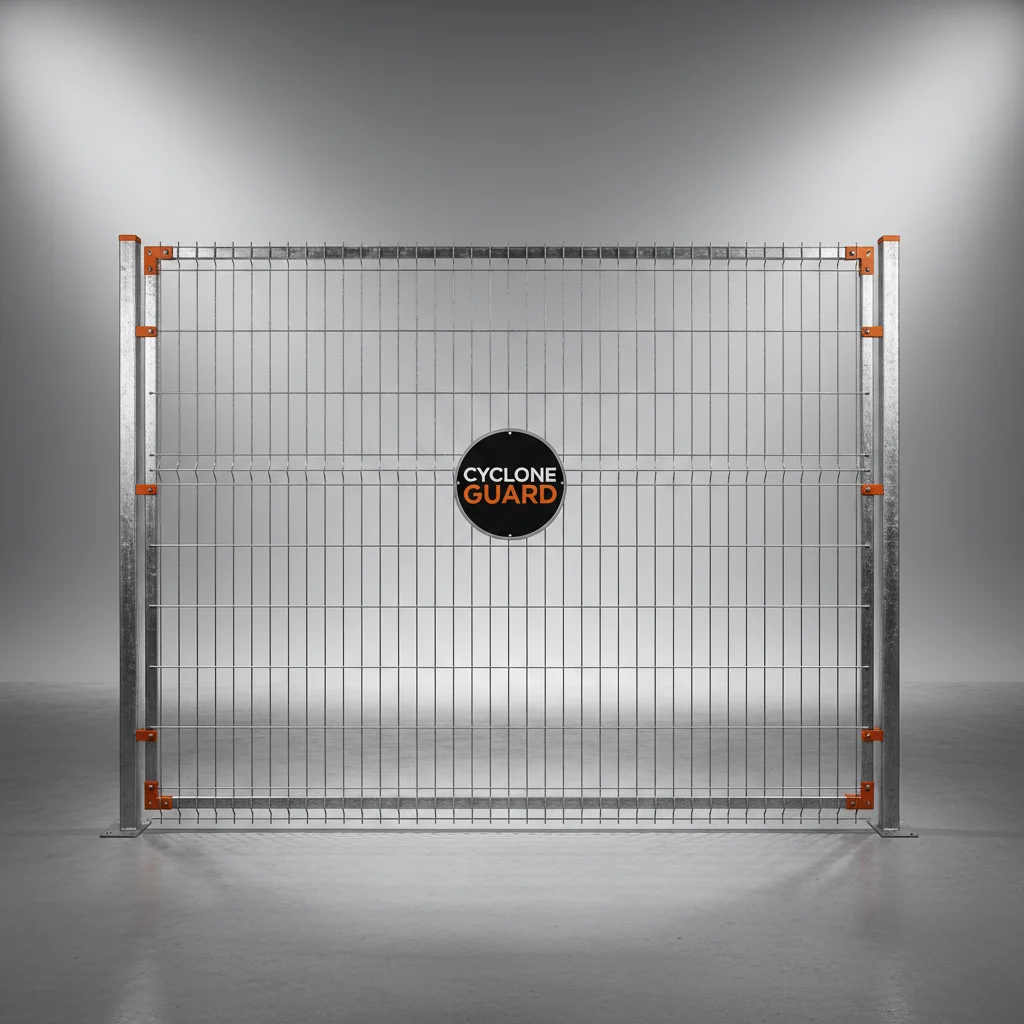
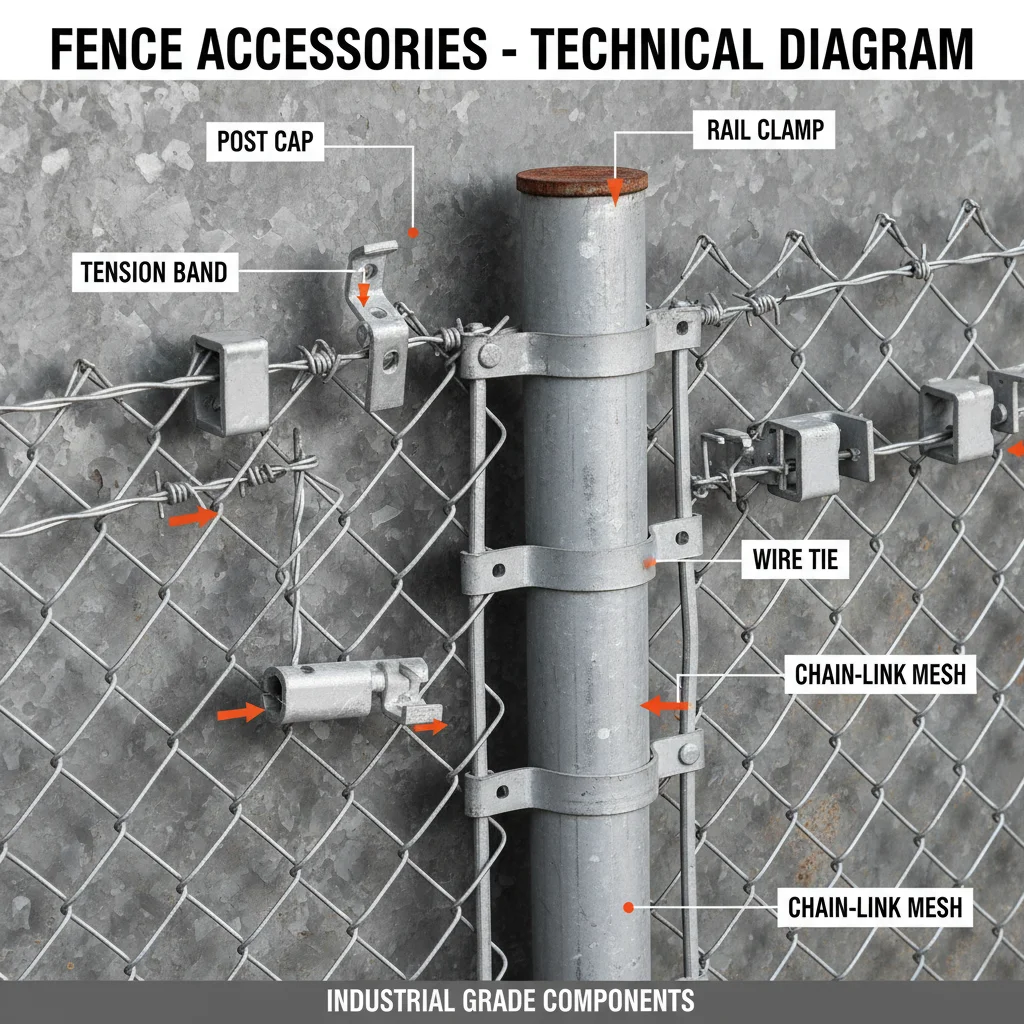
Pvc Fence Garden represents a growing trend in utilizing durable, low-maintenance fencing solutions for a wide array of garden applications. From defining property lines to creating secure enclosures for pets or children, Pvc fences offer an attractive and practical alternative to traditional wood or metal options. Understanding the benefits and applications of Pvc Fence Garden is crucial for homeowners, landscapers, and anyone seeking to enhance their outdoor spaces with long-lasting, aesthetically pleasing boundaries.
The global demand for fencing materials is substantial, driven by population growth, increasing homeownership rates, and a rising emphasis on property security and aesthetic appeal. According to recent market reports, the global fencing market is projected to reach billions of dollars in the coming years, with Pvc fencing experiencing particularly strong growth due to its cost-effectiveness and ease of installation. This growth is fueled by a desire for sustainable and durable materials that require minimal upkeep.
Exploring Pvc Fence Garden allows for informed decision-making when designing and implementing outdoor spaces. It addresses challenges associated with traditional fencing materials, such as rot, insect damage, and high maintenance costs. This detailed exploration will delve into the key factors that make Pvc fencing a compelling choice, its diverse applications, long-term benefits, and emerging trends shaping its future.

The Definition and Core Components of Pvc Fence Garden
Pvc Fence Garden encompasses the use of polyvinyl chloride (Pvc) as the primary material for constructing fences within garden and residential settings. These fences are typically manufactured from a blend of Pvc resin, stabilizers, and pigments, resulting in a durable, weather-resistant product. The core components include Pvc posts, rails, and pickets, assembled using various fastening methods, creating a functional and aesthetically pleasing barrier.
The strength and flexibility of Pvc make it an ideal material for garden fencing. Pvc fences do not rot, warp, or splinter like wood, reducing the need for frequent repairs and maintenance. Different styles are available to suit a variety of architectural designs and personal preferences, establishing Pvc Fence Garden as a versatile choice for improving the aesthetic value and security of any outdoor space.
Global Relevance and Industry Trends in Pvc Fence Garden
The demand for Pvc Fence Garden is globally significant, influenced by factors such as increasing urbanization, a growing emphasis on home improvement, and the need for cost-effective fencing solutions. Markets in North America and Europe currently dominate the Pvc fencing sector, but regions like Asia-Pacific are experiencing rapid growth due to expanding construction and real estate development. The global fencing market is projected to continue its upward trajectory, with Pvc representing a substantial share.
Current industry trends point towards increased sustainability and eco-friendly manufacturing practices. Manufacturers are exploring the use of recycled Pvc materials and implementing energy-efficient production processes. Furthermore, advancements in Pvc formulation are leading to fences with enhanced UV resistance and improved color retention. Demand for low-maintenance and durable outdoor solutions is driving innovation in Pvc Fence Garden designs and materials.
According to a report by Grand View Research, the global fencing market size was valued at USD 28.37 billion in 2022 and is expected to expand at a compound annual growth rate (CAGR) of 4.5% from 2023 to 2030. Pvc fencing is a key component of this growth, offering a compelling combination of affordability, durability, and aesthetic appeal.
Defining Pvc Fence Garden: Materials and Construction
Pvc Fence Garden is fundamentally defined by its material composition. High-quality Pvc fences are constructed using a rigid Pvc formulation, ensuring durability and resistance to the elements. The core material, Pvc resin, is combined with stabilizers like titanium dioxide to prevent degradation from sunlight, and plasticizers to enhance flexibility. Pigments are added to provide a wide range of color options, allowing for customization to match various architectural styles.
The construction process typically involves extrusion, where molten Pvc is forced through a die to create the desired fence components – posts, rails, and pickets. These components are then cut to length and assembled using mechanical fasteners or adhesives. Modern Pvc fencing often incorporates interlocking systems for easier installation and enhanced structural integrity. The quality of the Pvc formulation and the precision of the manufacturing process are critical to the overall performance and longevity of the fence.
Beyond the basic components, Pvc Fence Garden can incorporate a variety of design elements, such as decorative post caps, rail profiles, and picket styles. These features allow homeowners to personalize their fences and create a unique aesthetic that complements their gardens and properties. The use of advanced manufacturing techniques is continually expanding the design possibilities available within the Pvc fencing market.
Key Factors Influencing Pvc Fence Garden Performance
Several key factors determine the overall performance and longevity of Pvc Fence Garden. Durability is paramount, encompassing resistance to weathering, impact, and UV degradation. The quality of the Pvc formulation, particularly the amount and type of UV stabilizers, significantly impacts its ability to withstand prolonged sun exposure.
Another critical factor is installation quality. Proper post spacing, depth, and concrete setting are essential for ensuring the structural integrity of the fence. The choice of fastening methods also plays a role; high-quality fasteners that are corrosion-resistant are crucial for preventing premature failure.
Pvc Fence Garden Performance Metrics
Real-World Applications of Pvc Fence Garden
Pvc Fence Garden finds widespread applications in residential settings, providing property delineation, privacy screening, and enhanced security. It’s commonly used around swimming pools to meet safety regulations and create a visually appealing enclosure. Pvc fencing is also popular for containing pets and children, offering a safe and secure play area.
Beyond residential use, Pvc fences are increasingly employed in commercial and agricultural applications. They can serve as perimeter fencing for businesses, protecting assets and controlling access. In agricultural settings, Pvc fencing is used to create livestock enclosures, garden barriers, and windbreaks, providing both functionality and aesthetic appeal.
Advantages and Long-Term Value of Pvc Fence Garden
The advantages of Pvc Fence Garden are numerous. Cost-effectiveness is a primary benefit, as Pvc fencing typically requires lower upfront and lifecycle costs compared to traditional wood or metal fences. Reduced maintenance is another significant advantage; Pvc fences do not need to be painted, stained, or sealed, saving time and money. The durability of Pvc ensures a long service life, often exceeding 20 years with minimal maintenance.
The long-term value extends beyond financial savings. Pvc fencing enhances curb appeal, potentially increasing property value. Its resistance to rot and insect damage contributes to a healthier and more sustainable outdoor environment. The availability of diverse styles and colors allows for customization, reflecting personal preferences and enhancing the aesthetic quality of the landscape.
Future Innovations and Challenges in Pvc Fence Garden
Future innovations in Pvc Fence Garden are likely to focus on enhanced sustainability and performance. Research is underway to develop Pvc formulations utilizing a higher percentage of recycled materials, reducing the environmental impact of production. Advancements in nanotechnology are being explored to improve UV resistance and durability.
However, challenges remain. The initial cost of high-quality Pvc fencing can be higher than some traditional materials. Concerns regarding the potential environmental impact of Pvc disposal are driving efforts to develop more effective recycling programs. Continued innovation in manufacturing and material science will be crucial to addressing these challenges and further enhancing the value proposition of Pvc Fence Garden.
The integration of smart technology, such as embedded sensors for security monitoring or automated gate controls, represents another potential avenue for innovation in the Pvc fencing sector.
Key Comparison of Pvc Fence Garden Options
| Pvc Formulation Type | Installation Complexity | Long-Term Cost | Aesthetic Versatility |
|---|
| Virgin Pvc | Moderate | Low | High |
| Recycled Pvc | Moderate | Very Low | Moderate |
| Reinforced Pvc | High | Low | High |
| Foam-Core Pvc | Low | Moderate | Moderate |
| Wood-Grain Pvc | Moderate | Low | High |
| Contoured Pvc | High | Moderate | Very High |
FAQS
Pvc fencing typically has a significantly longer lifespan than wood fencing. While wood fences often require replacement within 10-15 years due to rot, insect damage, and weathering, Pvc fences can easily last 20-30 years or more with minimal maintenance. Pvc's resistance to these factors makes it a more durable and long-term investment, though initial cost may be higher.
The environmental impact of Pvc fencing is a complex issue. While Pvc is a plastic, manufacturers are increasingly using recycled Pvc content in their products, reducing reliance on virgin materials. Furthermore, the long lifespan and low maintenance requirements of Pvc fencing minimize the need for frequent replacements, reducing overall waste. However, proper disposal and recycling of Pvc at the end of its life are crucial for mitigating environmental concerns.
Pvc fencing is generally easier to install than wood or metal fencing, especially with interlocking panel systems. However, proper post setting and alignment are critical for a structurally sound fence. While DIY installation is possible for many homeowners, professional installation is recommended for larger or more complex projects to ensure a high-quality result.
Pvc fencing is available in a wide range of colors, including white, tan, gray, black, and wood-grain finishes. Manufacturers often offer custom color matching services to meet specific aesthetic requirements. The color is typically incorporated throughout the Pvc material, ensuring long-lasting color retention without the need for painting or staining.
Minor scratches or scuffs on Pvc fencing can often be buffed out. More significant damage, such as cracks or breaks, may require replacing the affected section of the fence. Pvc fencing is not easily repaired like wood, so it’s important to choose a durable product and handle it with care during installation and use.
Pvc fencing is known for its excellent performance in a variety of weather conditions. It's resistant to moisture, UV radiation, and temperature fluctuations. While Pvc can become slightly brittle in extremely cold temperatures, high-quality formulations are designed to withstand these conditions. Pvc fences are also non-corrosive, making them suitable for coastal environments.
Conclusion
In conclusion, Pvc Fence Garden provides a compelling combination of durability, aesthetics, and cost-effectiveness. Its versatility makes it suitable for a wide range of applications, from residential properties to commercial and agricultural settings. By offering a low-maintenance, long-lasting solution, Pvc fencing reduces lifecycle costs and enhances property value.
Looking ahead, continued innovation in Pvc formulation, manufacturing techniques, and recycling processes will further solidify Pvc Fence Garden as a sustainable and environmentally responsible choice. By exploring the options and understanding the key factors influencing performance, individuals and organizations can make informed decisions to create secure, attractive, and long-lasting outdoor spaces. Visit our website at Pvc Fence Garden to learn more about our Pvc fencing solutions.