
- romanian
- korean
- kyrgyz
- lao
- latin
- latvian
- malay
- malayalam
- marathi
- persian
- polish
- portuguese
- quechua
- khmer
- russian
- shona
- singapore
- spanish
- swahili
- swedish
- tajik
- thai
- ukrainian
- urdu
- vietnamese
- filipino
- azerbaijani
- bengali
- burmese
- catalan
- creole
- croatian
- czech
- danish
- deutsch
- dutch
- english
- estonian
- arabic
- finnish
- french
- greek
- gujarati
- hausa
- hindi
- hungarian
- igbo
- indonesian
- irish
- italian


Comprehensive Guide to Stock Fence for Property and Livestock Management
Understanding Stock Fence: A Comprehensive Guide
When securing property, livestock, or crops, a reliable and durable fence is essential. Stock fence, also known as field fence or livestock fence, is a popular choice for agricultural and rural applications. This article provides a detailed overview of stock fence, covering its uses, materials, installation, and benefits. Whether you're a farmer, rancher, or homeowner, understanding the intricacies of stock fencing will help you make the best decision for your needs.
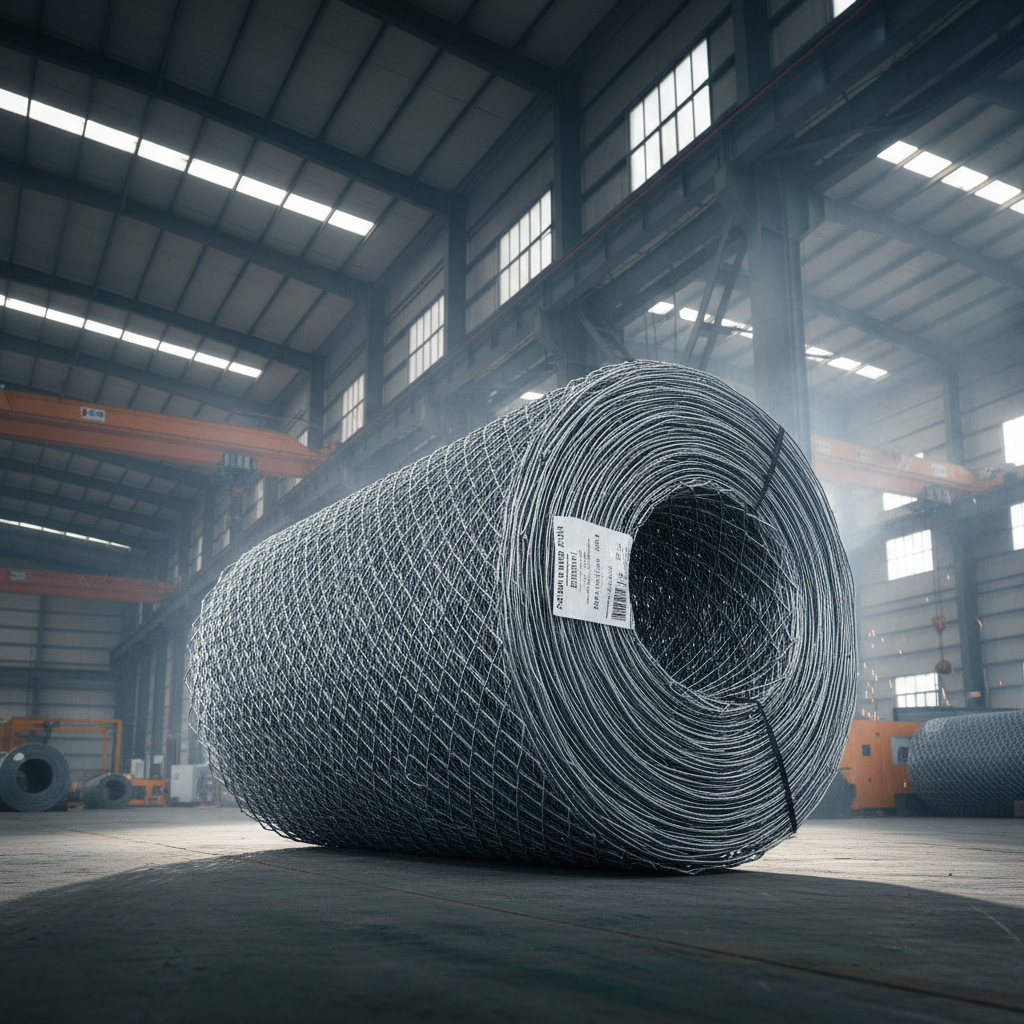
What is Stock Fence and What is it Used For?
Stock fence is a type of woven wire fencing specifically designed to contain livestock. It typically features vertical wires woven with horizontal wires, creating a strong and resilient barrier. Common applications include containing cattle, sheep, goats, horses, and other farm animals. Beyond livestock containment, stock fencing is also used for perimeter security, protecting crops from wildlife, and delineating property boundaries. Its versatility makes it an ideal fencing solution for a wide range of agricultural and rural needs.
Key Highlights: Stock fence provides a strong and resilient barrier, ideal for containing livestock and securing property.
Materials Used in Stock Fence Construction
Stock fence is commonly made from galvanized steel wire, which provides excellent corrosion resistance. The galvanization process coats the steel with a layer of zinc, protecting it from rust and extending its lifespan. Other materials, such as Class 1 and Class 3 galvanized wire, offer varying degrees of corrosion protection. Heavier gauge wires provide greater strength and durability, particularly important for containing larger or more aggressive animals. The horizontal wires, known as stays, are often crimped or knotted to the vertical wires for added stability.
Material Considerations:
• Galvanized steel: Offers excellent corrosion resistance.
• Wire gauge: Heavier gauges provide greater strength.
• Class of galvanization: Higher classes offer increased protection.
Stock Fence Types: A Comparison
Several types of stock fences are available, each with its own advantages and disadvantages. The choice depends on the specific needs of the application, the type of livestock being contained, and the budget. Here’s a comparison of some common types:
Installation Considerations for Stock Fence
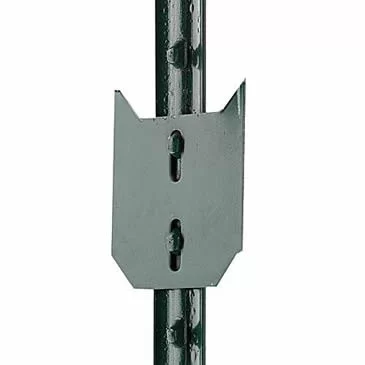
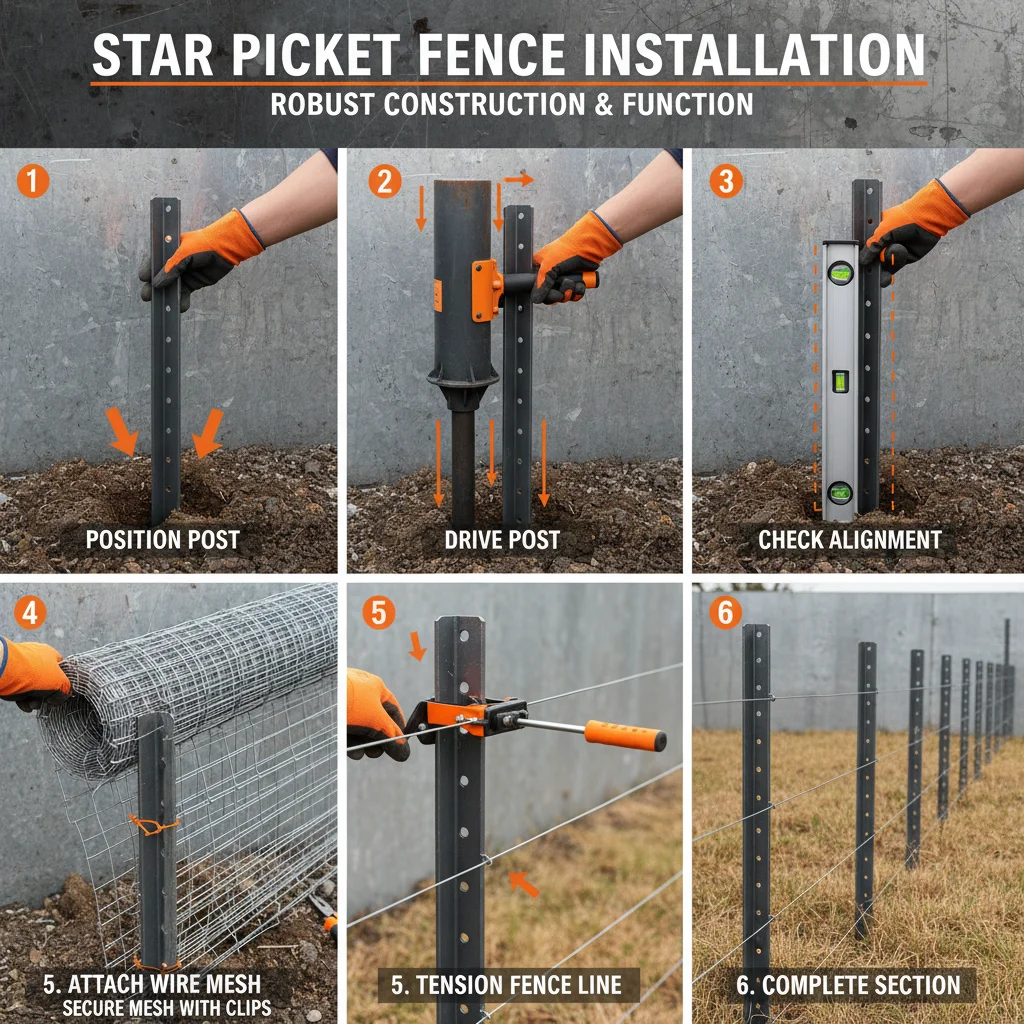
Proper installation is crucial for the effectiveness and longevity of your stock fence. This includes selecting appropriate posts (wood, metal T-posts, or fiberglass), spacing them correctly (typically 8-12 feet apart), and ensuring the fence is properly braced. Tensioning the wire is essential for maintaining a tight and secure barrier. It's recommended to use a fence stretcher for even tensioning. Consider the terrain when planning your fence line and adjust post spacing accordingly. Proper grounding may also be necessary if using electric fencing in conjunction with your stock fence.
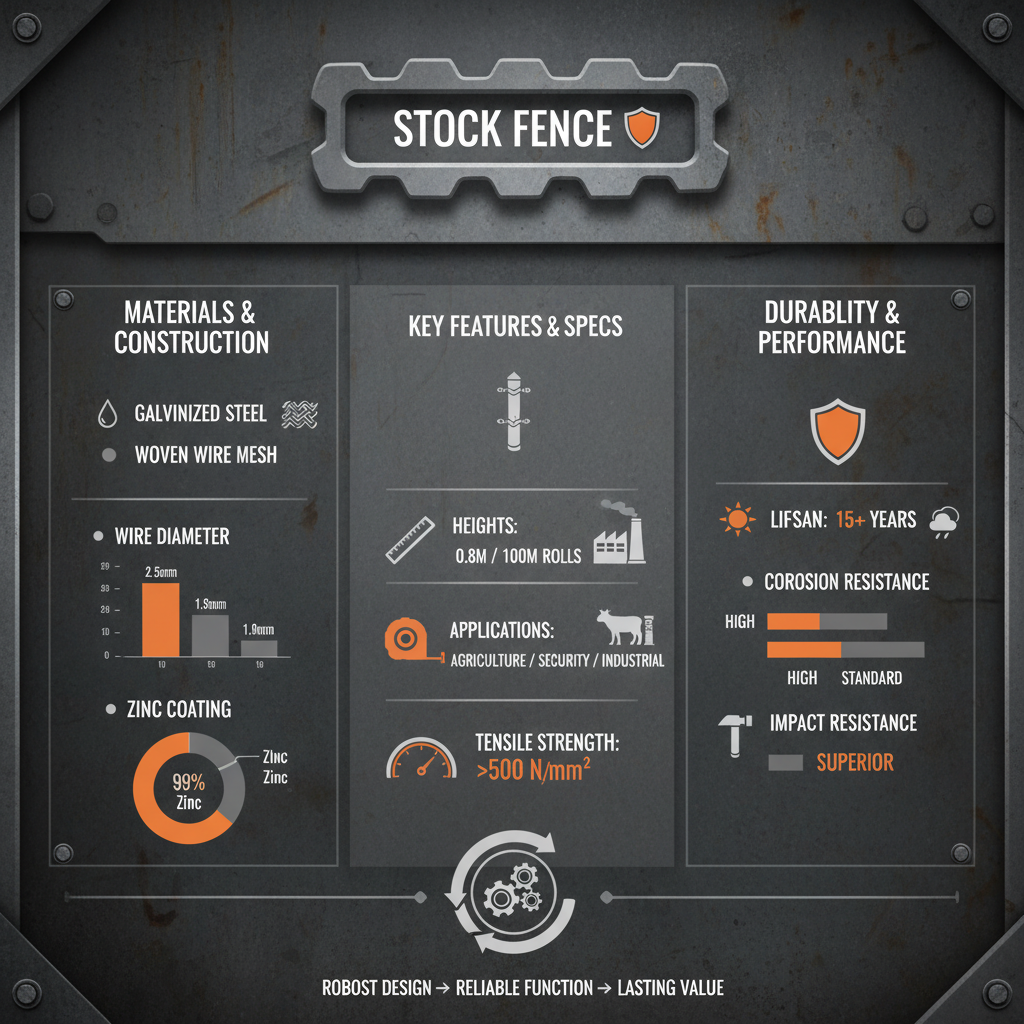
Benefits of Choosing Stock Fence from Huaxin Mesh
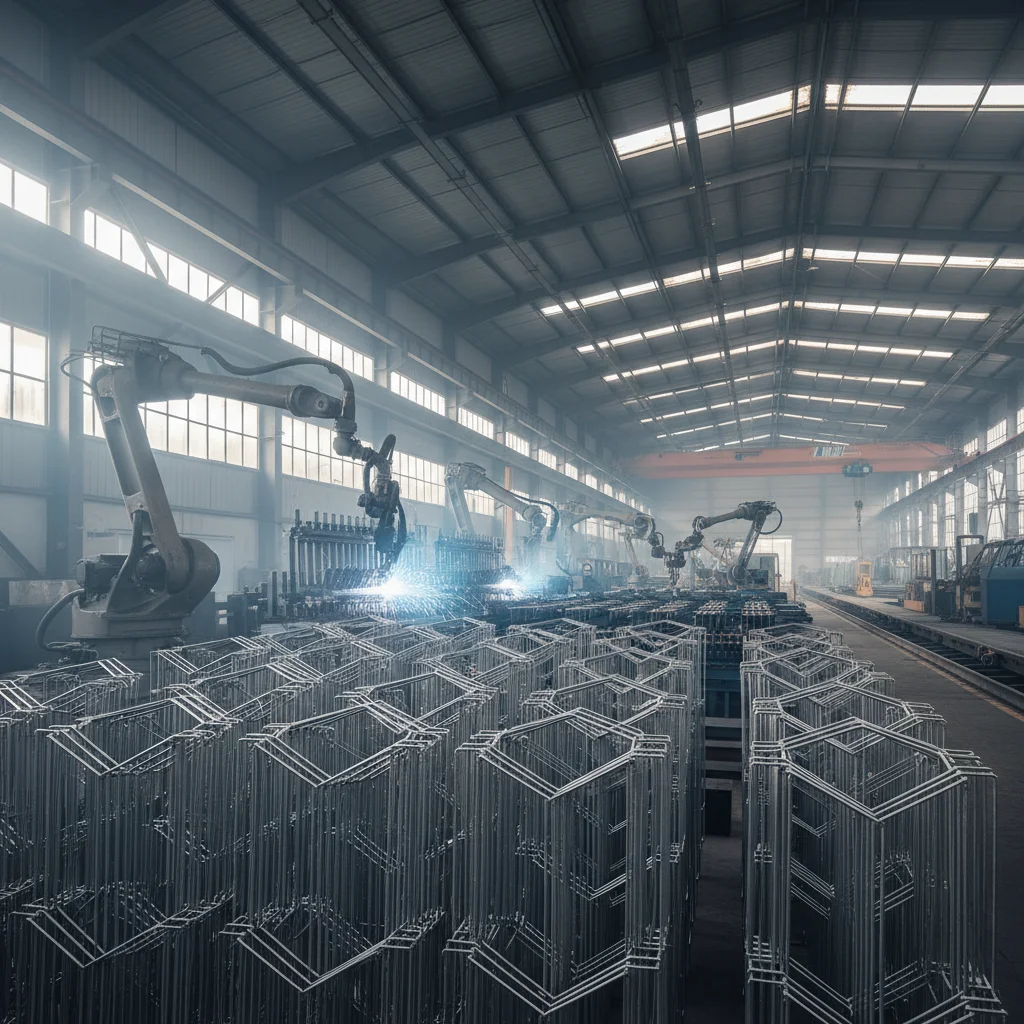
Choosing stock fence from Huaxin Mesh means investing in quality and reliability. We offer a wide range of stock fence options to meet diverse needs, with durable materials and expert craftsmanship. Our fences are designed to withstand harsh weather conditions and provide long-lasting protection for your livestock and property. We are committed to providing excellent customer service and competitive pricing.
Conclusion: Securing Your Future with Huaxin Mesh Stock Fence
Investing in a high-quality stock fence from Huaxin Mesh provides peace of mind, knowing your livestock and property are secure. Our durable and reliable fencing solutions are designed to withstand the test of time. Contact us today to discuss your fencing needs and receive a customized quote.
Frequently Asked Questions (FAQs)
What is the recommended post spacing for a stock fence?
Generally, post spacing for stock fence ranges from 8 to 12 feet apart. The ideal spacing depends on the terrain, the type of livestock, and the height of the fence. On uneven ground, closer spacing is recommended to maintain a consistent fence line. For larger livestock or areas prone to high winds, shorter post spacing provides greater stability. Consider the load-bearing capacity of the posts when determining spacing.
How do I properly tension a stock fence?
Proper tensioning is critical for a secure stock fence. Use a fence stretcher to evenly apply tension to the wire. Avoid over-tensioning, as this can damage the posts or the wire itself. The wire should be taut but have some slight give. Regularly check and readjust the tension, especially after installation and during seasonal temperature changes. Uneven tension can lead to sagging and decreased effectiveness.
Can stock fence be used with electric fencing?
Yes, stock fence is often used in conjunction with electric fencing to provide an added deterrent to livestock. Electric wires are typically attached to the stock fence posts or insulators to prevent animals from challenging the barrier. Ensure proper grounding of the electric fence system for optimal performance. Combining the two creates a highly effective and secure fencing solution.
What is the lifespan of a galvanized steel stock fence?
The lifespan of a galvanized steel stock fence can vary depending on the environment and the quality of the galvanization. Typically, a well-maintained galvanized steel stock fence can last 20-30 years or even longer. Factors such as salt spray, acidic soil, and industrial pollution can accelerate corrosion and reduce the lifespan. Regular inspection and maintenance, such as cleaning and applying protective coatings, can help extend the fence's lifespan.
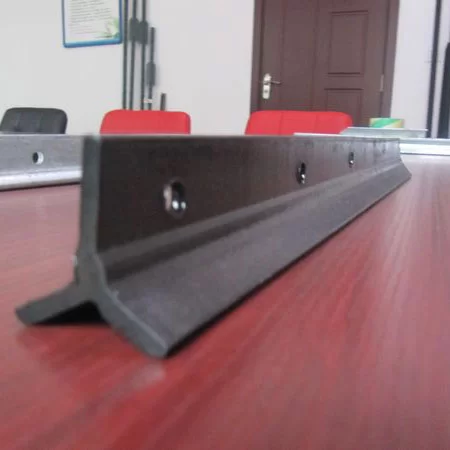
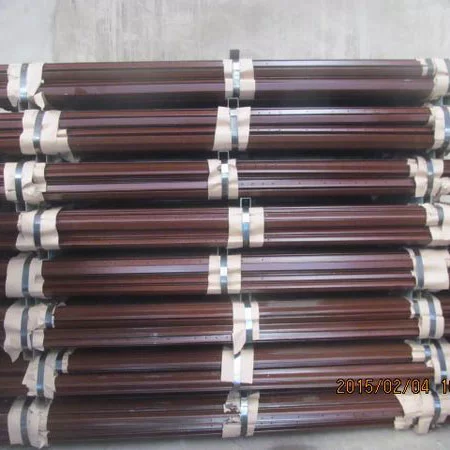

In an era of rapidly expanding global trade, international exhibitions like FEICON BATIMAT have become crucial platforms for connecting suppliers with buyers worldwide.


