In the modern landscape of industrial security and perimeter management, the concept of a 3d Fence represents a shift toward high-efficiency, structural stability, and rapid deployment. Whether used for safeguarding sensitive infrastructure or defining boundaries in large-scale construction, these systems provide a critical balance between visibility and strength, ensuring that protected areas remain secure without creating a completely opaque barrier.
The global demand for advanced fencing solutions has surged as urban expansion and industrialization increase. Industries are now seeking materials that not only resist environmental degradation but also minimize labor costs during installation. The integration of specialized fasteners, such as high-performance coil nails, ensures that the supporting structures for these boundaries are fastened with precision and speed, reducing the overall timeline of security deployment.
Understanding the technical synergy between the structural mesh of a 3d Fence and the fastening hardware used in its assembly is essential for any project manager. By optimizing the materials—from the gauge of the steel to the coating of the nails—companies can achieve a security perimeter that is both cost-effective and enduring.

Global Relevance of 3d Fence Systems
The global adoption of the 3d Fence is driven by the need for scalable security solutions that can adapt to various terrains and industrial requirements. From ISO-certified manufacturing zones to municipal infrastructure projects, the demand for perimeter solutions that offer high impact resistance while remaining lightweight has led to a standardization of these three-dimensional mesh designs.
The primary challenge addressed by these systems is the trade-off between installation speed and structural longevity. By utilizing pneumatic fastening systems and high-grade steel components, the industry has reduced deployment times by nearly 40%, allowing for rapid securement of sites in volatile or fast-paced construction environments.
Defining the 3d Fence Architecture
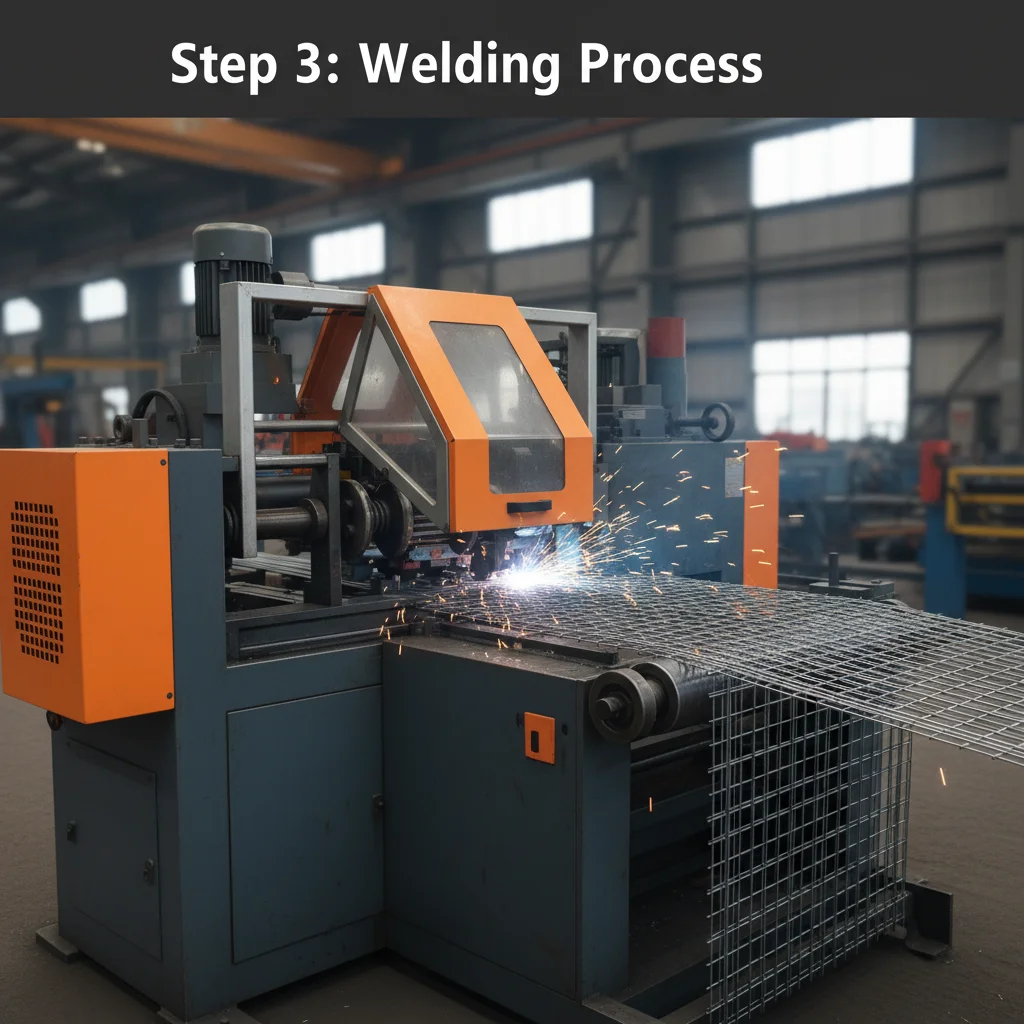
In simple technical terms, a 3d Fence is a welded wire mesh system characterized by its V-shaped bends (folds), which provide the panel with significant rigidity and resistance to deformation. Unlike traditional flat fences, this three-dimensional geometry allows the fence to withstand greater pressure and impact without buckling, making it an ideal choice for high-traffic industrial areas.
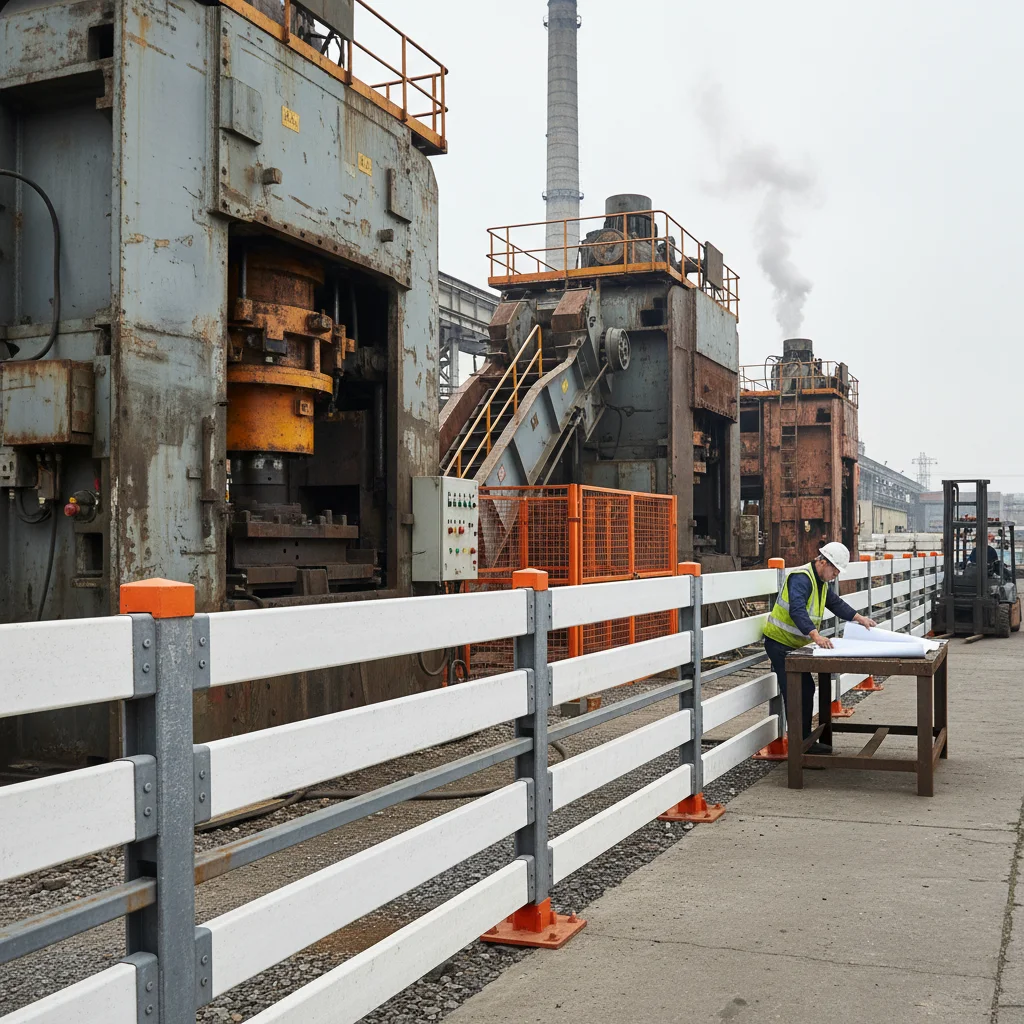
This architecture is closely connected to modern industrial needs for "transparent security." It allows security personnel to maintain clear lines of sight across a facility while preventing unauthorized access. This balance of visibility and deterrence is crucial for humanitarian sites, logistics hubs, and corporate campuses where safety is paramount.
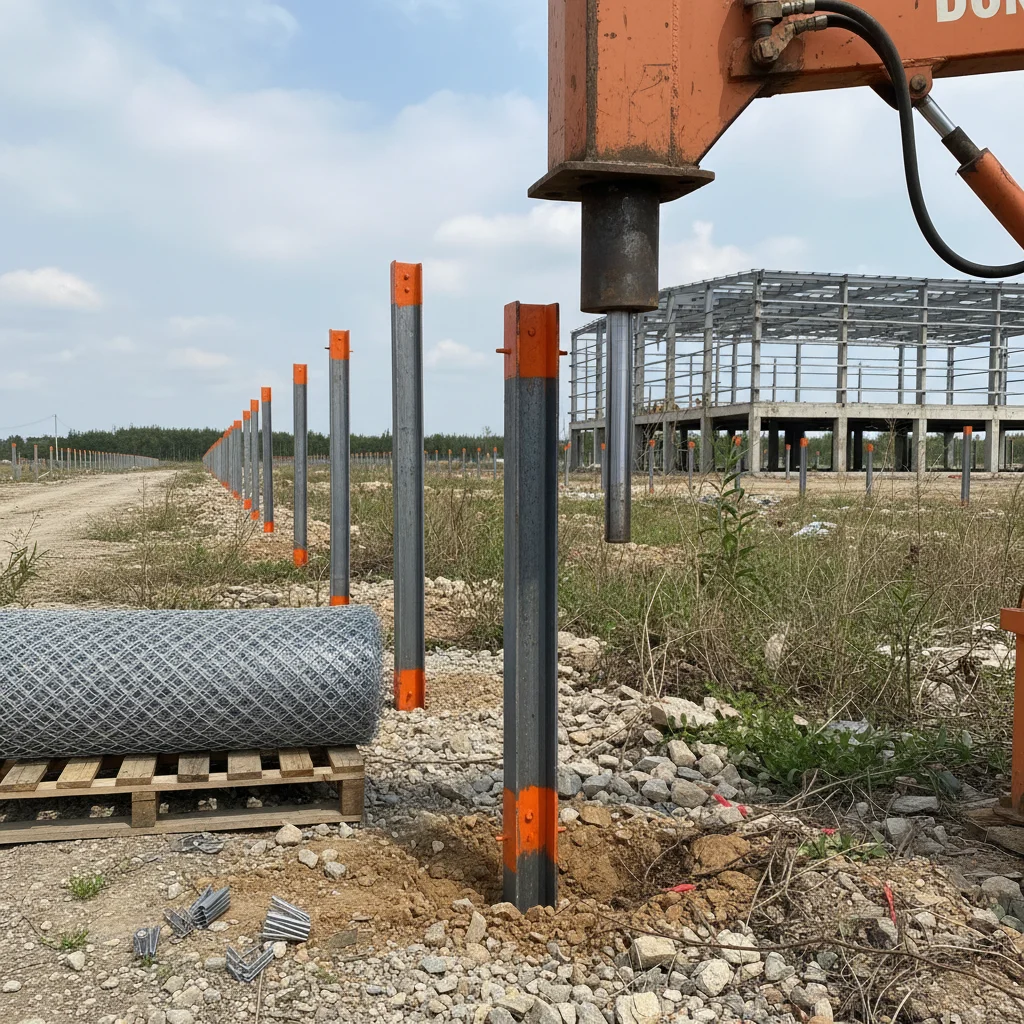
The integration of these fences into larger systems often requires precise fastening. For instance, when these panels are installed alongside wooden supports or pallet-based framing, the use of professional-grade coil nails ensures that the structural integrity is maintained throughout the lifespan of the installation.
Core Components and Material Integrity
The durability of a 3d Fence is fundamentally tied to the quality of its raw materials. Most high-end systems utilize Q195 or Q235 carbon steel, which provides the necessary tensile strength to resist cutting and bending. The application of various finishes—such as galvanization or powder coating—protects the steel from oxidation, ensuring the fence remains functional in humid or coastal climates.
Another critical component is the fastening hardware used during the assembly of support posts. For large-scale construction of a 3d Fence, pneumatic coil nails are employed to secure framing. These nails, available in smooth, screw, ring, or twisted shanks, provide the high pull-out resistance needed to keep the perimeter stable under wind loads or physical impact.
Scalability is achieved through the modular nature of the panels. Because the 3d Fence is produced in standardized widths and heights, it can be expanded effortlessly as a facility grows. This modularity reduces waste and allows for the replacement of individual panels without needing to dismantle the entire security line.
Performance Metrics in Industrial Applications
Evaluating the efficiency of a perimeter system requires looking at the intersection of material cost and labor speed. In industrial settings, the use of pneumatic tools for fastening support structures significantly lowers the man-hours required per linear meter of fencing.
When comparing different installation methods for a 3d Fence, the focus is usually on "Holding Power" and "Installation Speed." The use of ring-shank coil nails, for example, provides a higher grip rating compared to smooth nails, which is essential for fences located in areas with high wind gusts.
Installation Efficiency by Fastening Method for 3d Fence
Global Implementation and Use Cases
In remote industrial zones, such as mining camps in Australia or oil refineries in the Middle East, the 3d Fence is utilized for its rapid deployment capabilities. These regions often face extreme temperature fluctuations, where the galvanized steel of the fence prevents premature corrosion, and the high-strength fastening nails prevent structural shifting due to soil expansion.
Similarly, in post-disaster relief operations, NGOs and government agencies use these systems to create secure perimeters around food distribution centers and medical clinics. The ability to transport prefabricated panels and secure them quickly with pneumatic nailers allows for the establishment of a safe zone within hours of arriving on site.
Long-Term Value and Sustainability
The long-term value of investing in a high-quality 3d Fence lies in the reduction of maintenance overhead. Because the panels are welded and reinforced with V-bends, they do not sag over time like traditional chain-link fences. This reliability reduces the need for frequent tensioning and repair, lowering the total cost of ownership.
From a sustainability perspective, the use of recyclable steel (Q195/Q235) ensures that at the end of the fence's lifecycle, the materials can be reclaimed and repurposed. Furthermore, the efficiency of pneumatic installation reduces the carbon footprint associated with long-term construction site activity.
Beyond the logical financial gains, there is an emotional component of trust and safety. A well-installed security perimeter provides peace of mind to employees and residents, creating a designated "safe space" that fosters productivity and stability in high-risk environments.
Future Trends in Perimeter Security
The future of the 3d Fence is moving toward "smart integration." We are seeing the addition of fiber-optic sensors and AI-driven camera systems directly into the mesh structure. This transforms a passive physical barrier into an active surveillance system capable of detecting intrusions in real-time.
Automation in the manufacturing process is also evolving. The use of robotic welding and automated coating lines is increasing the precision of the panels, ensuring that every 3d Fence unit is identical. This allows for an even faster "plug-and-play" installation process.
As the industry moves toward green energy, we expect to see coatings that are not only corrosion-resistant but also carbon-neutral. The synergy between sustainable materials and high-speed fastening technology will continue to redefine how we protect industrial assets globally.
Comparative Analysis of 3d Fence Material and Fastener Combinations
| Material Grade | Fastener Type | Durability Score (1-10) | Deployment Speed |
|---|
| Q195 Steel | Smooth Coil Nails | 6 | Very Fast |
| Q235 Steel | Ring Shank Nails | 9 | Fast |
| Galvanized Q235 | Screw Shank Nails | 10 | Moderate |
| Powder Coated Q195 | Twisted Shank Nails | 8 | Fast |
| Stainless Steel | Manual Bolts | 10 | Slow |
| Standard Steel | Smooth Coil Nails | 5 | Very Fast |
FAQS
The primary difference is the structural geometry. The V-shaped folds in a 3d Fence act as reinforcements, preventing the panels from bending or bowing under pressure. This ensures that the barrier maintains its integrity even when subjected to physical force, providing a much higher level of deterrence and strength compared to flat panels.
Coil nails are essential for the rapid assembly of support structures and wooden framing used to anchor the fence. Because they are fed continuously into pneumatic nail guns, they allow workers to secure posts and beams in a fraction of the time required for manual nailing, ensuring the 3d Fence is deployed quickly and consistently.
Q235 steel is generally preferred for industrial use due to its higher tensile strength and durability compared to Q195. When paired with a hot-dip galvanized finish, it offers the best protection against corrosion and structural failure in harsh outdoor environments.
Yes, 3d Fence systems are modular by design. They are available in various lengths and heights to suit specific security needs. Because they use standardized connecting clips and support posts, expanding the height or length of the perimeter is a straightforward process.
Depending on the environmental conditions, a high-quality galvanized 3d Fence can last between 15 to 25 years. The lifespan is extended when high-grip fasteners (like ring-shank nails) are used for the supports, as this prevents the structure from loosening over time.
Most manufacturers provide these systems in flat-packed panels to reduce shipping costs. By sourcing from certified manufacturers who adhere to ISO standards, companies can ensure that the materials—including the wire mesh and pneumatic fasteners—meet global safety and quality regulations.
Conclusion
The implementation of a 3d Fence represents a sophisticated approach to modern security, combining geometric strength with material science. By integrating high-grade Q235 steel and utilizing efficient pneumatic fastening solutions like coil nails, industries can establish perimeters that are not only durable and secure but also rapidly deployable. The synergy between the structural panels and the fastening hardware ensures that the security line remains stable against environmental stress and physical intrusion.
Looking forward, the evolution of perimeter security will likely lean toward the fusion of physical barriers with digital surveillance. For project managers and facility owners, the key to long-term success lies in choosing materials that prioritize both initial installation speed and lifelong durability. We invite you to explore our full range of industrial wire and fencing solutions to secure your assets with confidence. Visit our website: www.huaxinmesh.com