- romanian
- korean
- kyrgyz
- lao
- latin
- latvian
- malay
- malayalam
- marathi
- persian
- polish
- portuguese
- quechua
- khmer
- russian
- shona
- singapore
- spanish
- swahili
- swedish
- tajik
- thai
- ukrainian
- urdu
- vietnamese
- filipino
- azerbaijani
- bengali
- burmese
- catalan
- creole
- croatian
- czech
- danish
- deutsch
- dutch
- english
- estonian
- arabic
- finnish
- french
- greek
- gujarati
- hausa
- hindi
- hungarian
- igbo
- indonesian
- irish
- italian


High Quality Vineyard Post for Sustainable Trellis Systems
In the precision-driven world of viticulture, the structural integrity of a vineyard's trellis system is the silent engine of productivity. A high-quality Vineyard Post serves as more than just a support beam; it is a critical investment in crop health, ensuring that vines receive optimal sunlight exposure and airflow to prevent fungal diseases.
Globally, the shift toward sustainable and high-density planting requires materials that can withstand immense tension and varying climatic pressures. From the rolling hills of Tuscany to the vast valleys of Napa, the selection of a Vineyard Post determines the longevity of the vineyard's infrastructure and the ease of mechanical harvesting.
Understanding the nuances of material science—ranging from galvanized steel to treated composites—allows growers to maximize their yield while minimizing long-term maintenance costs. By prioritizing durability and ergonomic design, a well-chosen support system transforms a simple field into a high-performance agricultural asset.
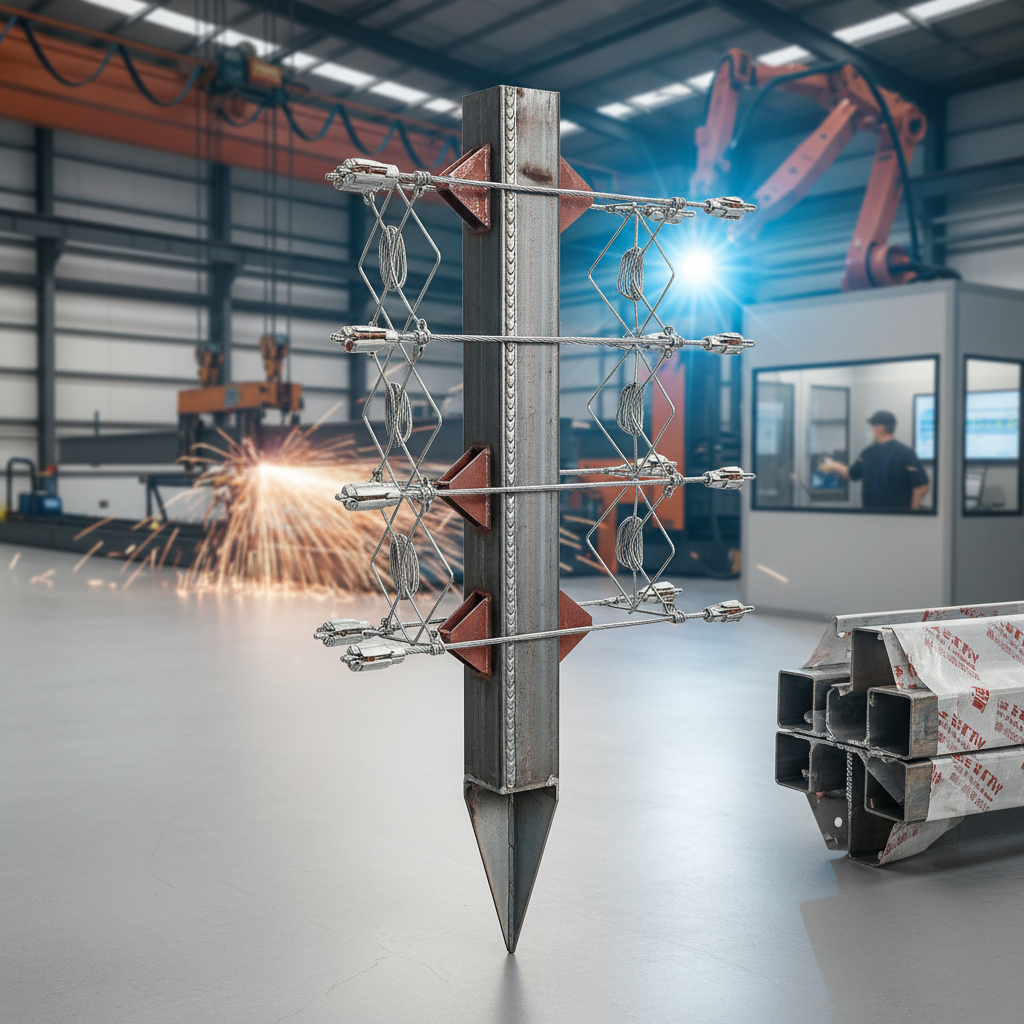
Global Relevance of Vineyard Post Systems
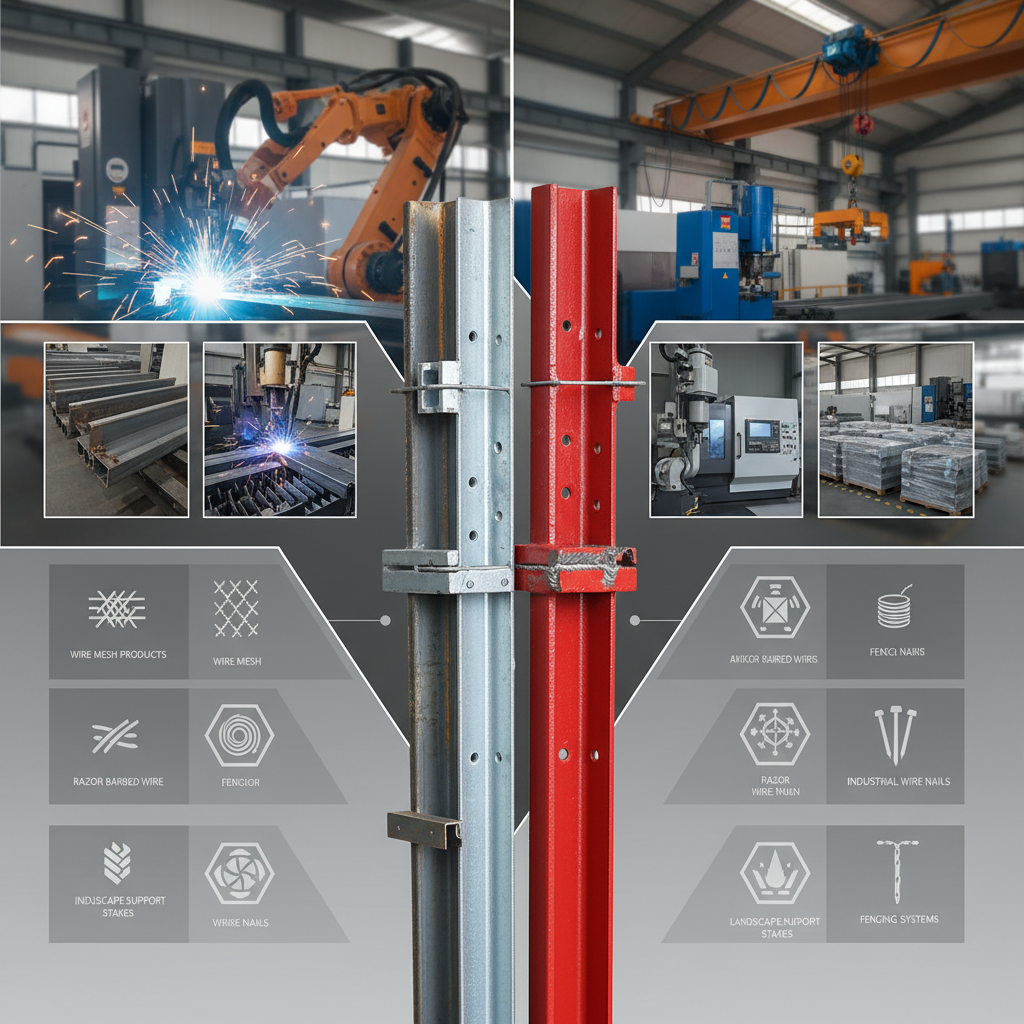
The global wine industry, valued at billions of dollars, relies heavily on the stability of its canopy management. According to international agricultural standards and ISO quality benchmarks for metal products, the failure of a single Vineyard Post can lead to a domino effect, causing entire rows of vines to collapse under the weight of a heavy harvest or sudden windstorms.
Across Europe and the Americas, growers face the challenge of soil salinity and moisture, which rapidly degrade inferior materials. The demand for high-tensile, corrosion-resistant supports has surged as vineyards move toward precision farming, where every millimeter of vine positioning is calculated for maximum efficiency.
FAQS
For humid environments, hot-dipped galvanized steel or fiberglass composites are highly recommended. These materials are naturally resistant to moisture and fungal decay, which typically destroy wooden posts within a few years. Galvanized steel provides the necessary strength for heavy loads while the zinc layer prevents rust from forming in high-humidity conditions.
Spacing depends on the variety of grape and the training system used. Typically, end posts are placed every 15-20 rows to anchor the system, while line posts are spaced every 6-10 feet. Using a high-quality Vineyard Post allows for wider spacing without risking structural sag, which can reduce the total number of posts needed and lower installation costs.
Yes, one of the primary ecological advantages of steel and alloy posts is that they are 100% recyclable. Unlike treated wood, which must be disposed of as hazardous waste due to chemical preservatives, metal posts can be melted down and repurposed, making them a sustainable choice for eco-conscious vineyard operators.
As a general rule of thumb, at least 1/3 of the post length should be embedded in the ground. For end posts, which bear the brunt of the wire tension, deeper installation or the use of concrete anchors is advised. Ensuring the Vineyard Post is set at the correct depth prevents "leaning" over time and maintains the integrity of the vine canopy.
While composite posts often have a higher initial price point, they offer superior corrosion resistance and lighter weight for installation. Steel posts provide better raw strength and are generally more cost-effective for large-scale industrial vineyards. The choice depends on whether you prioritize absolute strength (Steel) or extreme longevity and ease of handling (Composite).
It is recommended to perform a full structural audit once a year, typically before the growing season begins. Check for signs of oxidation at the soil line and ensure that the tension on the wires hasn't caused any line posts to bow. Early detection of a failing Vineyard Post can prevent a catastrophic collapse during the harvest period.
Conclusion
The selection of a Vineyard Post is a foundational decision that impacts every aspect of grape production, from the health of the canopy to the efficiency of the harvest. By balancing material durability, regional environmental needs, and long-term economic value, growers can create a trellis system that not only supports their vines but actively enhances the quality of their yield.
As the industry moves toward sustainable, smart-farming practices, the evolution of support infrastructure will continue to play a pivotal role. Investing in high-grade, corrosion-resistant materials today ensures that your vineyard remains productive and resilient for generations to come. Visit our website for professional solutions: www.huaxinmesh.com