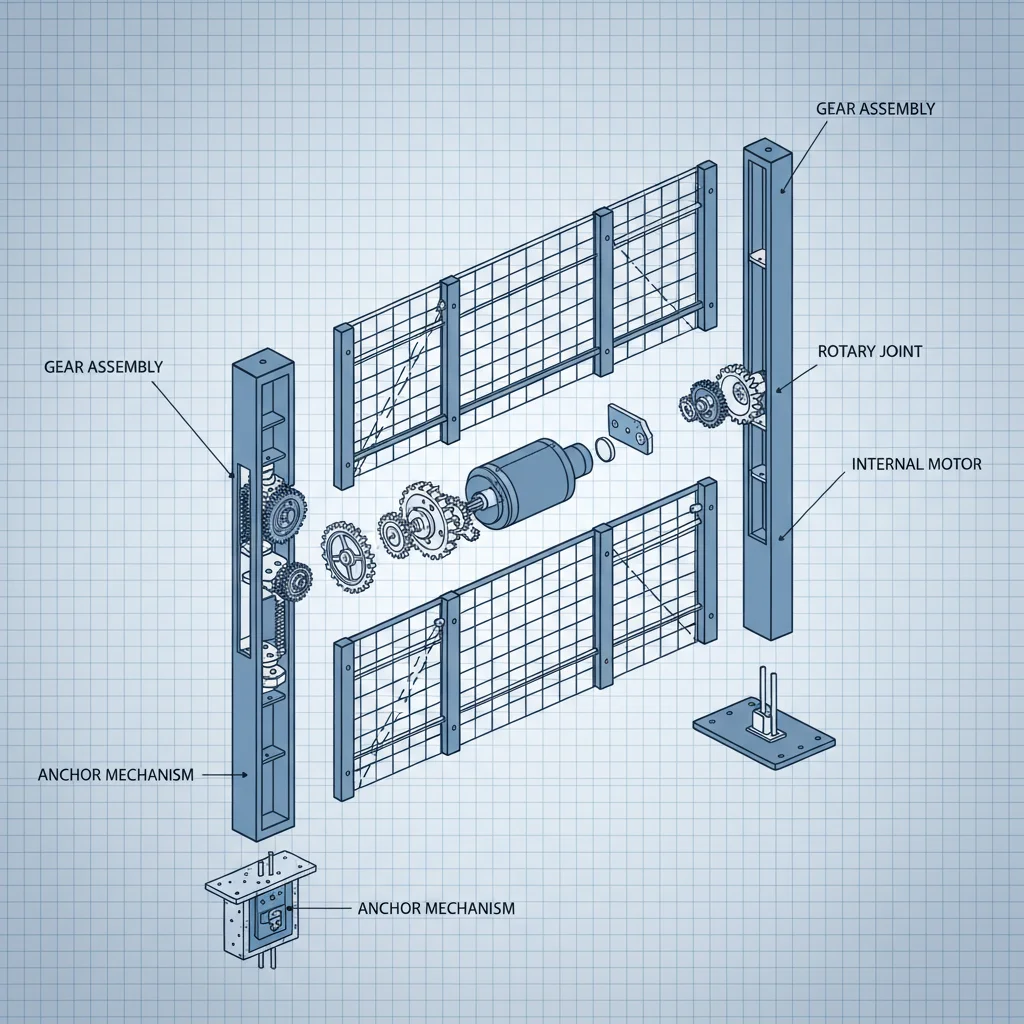
Anchor posts are foundational elements in various construction and safety applications, playing a critical role in securing fencing, supporting structures, and ensuring stability. Their significance extends globally, as they are integral to infrastructure projects ranging from agricultural fencing in rural areas to high-security perimeter defenses in urban environments. Understanding the nuances of anchor post design, materials, and installation is paramount for maintaining safety, durability, and cost-effectiveness.
The demand for robust and reliable anchor posts is driven by increasing urbanization, infrastructure development, and a growing emphasis on safety and security. From preventing livestock from straying to protecting critical assets, anchor posts offer a vital solution. The global metal products industry, particularly the segment focused on wire and fencing, witnesses consistent growth, fueled by these needs, making the selection of optimal anchor post systems a key consideration for projects worldwide.
Investing in high-quality anchor posts, like those offered by Anchor Post manufacturers, directly translates to long-term stability, reduced maintenance, and increased overall project value. This proactive approach minimizes potential hazards and supports sustainable infrastructure development.
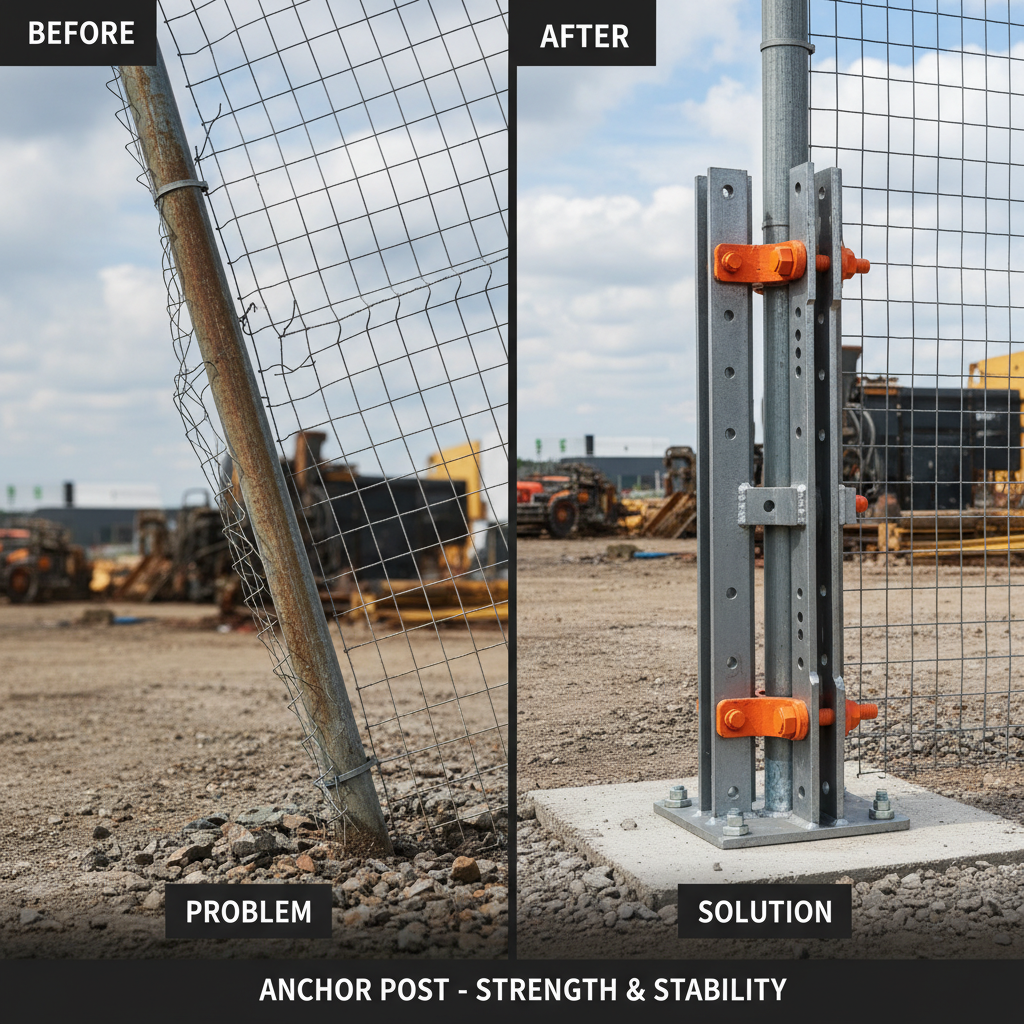
The Foundation of Stability: Understanding Anchor Posts
Anchor posts serve as the crucial link between fencing or structural elements and the ground, providing the necessary resistance against various forces such as wind, impact, and tension. Their effectiveness relies heavily on factors like material strength, depth of embedment, and the surrounding soil conditions. Choosing the right anchor post is therefore not merely a component selection, but a foundational decision that affects the entire lifespan and integrity of the system.
Beyond basic stability, modern anchor post designs are increasingly incorporating features to enhance corrosion resistance, simplify installation, and improve overall performance. Anchor Post systems are evolving to meet the demands of diverse environments and applications, from agricultural fencing to high-security installations.
Defining the Anchor Post: Function and Relevance
An anchor post is a vertical structural member, typically constructed from steel, galvanized steel, or other durable materials, designed to be embedded in the ground to provide a secure foundation for fences, barriers, or supporting structures. Its primary function is to transfer loads from the supported element to the ground, resisting both vertical and lateral forces. This makes it a core component in a wide range of applications.
The relevance of anchor posts extends far beyond simple containment. They play a critical role in defining property boundaries, protecting livestock, securing perimeters, and even supporting critical infrastructure like power lines and communication towers. In disaster relief scenarios, they can be essential for establishing temporary shelters and security zones.
In essence, the anchor post represents a fundamental principle of structural engineering – transferring loads to a stable base. Modern designs prioritize not only strength and stability but also ease of installation, longevity, and minimal environmental impact, aligning with sustainable construction practices.
Core Components of Effective Anchor Post Design
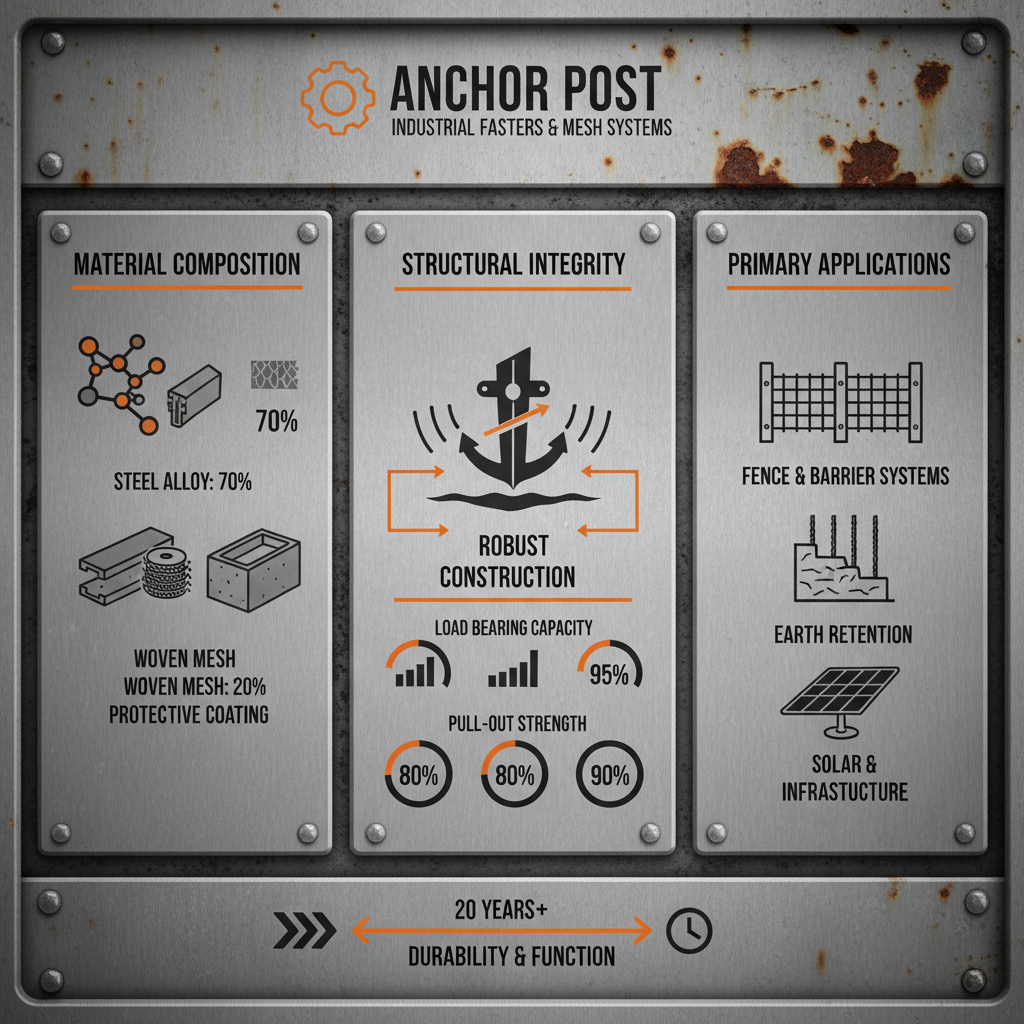
Several key components contribute to the effectiveness of an anchor post. First, the material – galvanized steel offers excellent corrosion resistance, crucial for longevity, while high-tensile steel provides superior strength. Second, the post’s profile, whether round, square, or I-beam, influences its load-bearing capacity and resistance to bending. Third, the depth of embedment directly impacts stability; deeper embedment typically provides greater resistance to uprooting.
Furthermore, the connection method between the anchor post and the supported structure is vital. Welded connections provide high strength, but may require specialized skills. Bolted connections offer flexibility and ease of repair. Finally, the type of ground anchor employed – whether concrete footing, driven pile, or helical anchor – significantly affects the post's overall stability and suitability for different soil conditions. Anchor Post utilizes several of these techniques.
Effective anchor post design requires a holistic approach, considering not only the individual components but also their interaction with the surrounding environment. Factors such as soil type, climate, and expected loads must be carefully assessed to ensure optimal performance and longevity.
Global Applications and Diverse Use Cases
Anchor posts find applications across a vast spectrum of industries and environments globally. In agriculture, they secure livestock fencing, protecting crops and animals from predators. In construction, they serve as foundations for temporary barriers, scaffolding, and formwork. Security applications leverage anchor posts for perimeter fencing, protecting critical infrastructure and sensitive areas.
In post-disaster relief operations, rapidly deployable fencing systems utilizing robust anchor posts are crucial for establishing secure camps, controlling access, and providing a safe environment for affected populations. In remote industrial zones, anchor posts support perimeter security and protect valuable equipment.
From the vast ranches of Australia to the densely populated urban areas of Europe, anchor posts are an indispensable element of infrastructure, contributing to safety, security, and economic stability. They are even used in marine environments, with specialized corrosion-resistant anchor posts securing docks, piers, and aquaculture facilities.
Anchor Post Performance Metrics by Application
Advantages and Long-Term Value Proposition
The benefits of investing in high-quality anchor posts extend beyond immediate stability and security. Cost-effectiveness is a key advantage – durable anchor posts minimize the need for frequent replacements, reducing long-term maintenance costs. Sustainability is another critical factor; utilizing materials with a long lifespan and low environmental impact contributes to responsible infrastructure development.
From a safety perspective, reliable anchor posts reduce the risk of fence failures and structural collapses, protecting people and property. Furthermore, the peace of mind that comes with a secure perimeter or a well-supported structure has significant emotional value. Choosing Anchor Post equates to trust and reliability.
Future Trends and Innovations in Anchor Post Technology
The future of anchor post technology is poised for significant advancements. The integration of smart materials and sensors is enabling the development of self-monitoring anchor posts that can detect stress, corrosion, and ground movement, providing early warnings of potential failures. Advanced coating technologies are extending the lifespan of steel posts, even in harsh environments.
Furthermore, innovative installation techniques, such as robotic pile driving and helical anchor systems, are streamlining the installation process and reducing labor costs. Research into bio-based materials and sustainable manufacturing processes is also gaining momentum, paving the way for more environmentally friendly anchor post solutions.
Challenges and Innovative Solutions for Anchor Post Implementation
Despite advancements, challenges remain in anchor post implementation. Soil variability poses a significant hurdle, as different soil types require different anchor designs and installation techniques. Corrosion, particularly in coastal environments and areas with high salt content, remains a persistent threat.
Innovative solutions include utilizing ground-penetrating radar to assess soil conditions before installation, employing corrosion-resistant alloys and coatings, and implementing cathodic protection systems. Developing modular anchor post systems that can be adapted to different soil types and loading conditions is also a promising area of research.
Proper installation is paramount. Training and certification programs for installers are crucial to ensure that anchor posts are installed correctly and safely, maximizing their performance and lifespan.
Summary of Anchor Post Implementation Challenges and Solutions
| Challenge |
Impact on Anchor Post Performance |
Potential Solution |
Implementation Cost (1-10) |
| Soil Variability |
Reduced stability, potential for post failure |
Ground-penetrating radar, adaptable anchor designs |
6 |
| Corrosion |
Weakened structural integrity, reduced lifespan |
Corrosion-resistant alloys, protective coatings |
7 |
| Improper Installation |
Reduced load capacity, increased risk of failure |
Installer training and certification programs |
4 |
| High Wind Loads |
Increased bending moment, potential for uprooting |
Deeper embedment, larger diameter posts |
5 |
| Seismic Activity |
Ground movement, potential for post damage |
Flexible anchor connections, seismic-resistant designs |
8 |
| Material Fatigue |
Gradual weakening of the post over time |
Regular inspections and preventative maintenance |
3 |
FAQS
For sandy soil, a deeper embedment depth is generally recommended to compensate for the lower bearing capacity. A minimum of 1/3 of the post’s total length should be buried, but ideally 50%, particularly for fences subjected to significant wind loads. Soil testing and local regulations should always be consulted. Using a wider post diameter can also significantly improve stability.
Coastal environments present a high corrosion risk due to salt spray. Using galvanized steel posts with a heavy coating is essential. Applying an additional protective coating, such as epoxy or polyurethane, further enhances corrosion resistance. Consider using stainless steel hardware for connections and implementing cathodic protection systems in particularly harsh conditions.
The best method depends on the type of fencing wire and the desired level of security. For barbed wire or woven wire, using specialized fence clips designed for the post diameter is recommended. For higher security applications, consider using tension bands and brackets that provide a stronger and more reliable connection. Ensure all connections are secure and properly tightened.
Installing anchor posts in rocky soil presents a challenge. Using a pneumatic post driver is often ineffective. Manual digging and concrete footing installation are typically required. Alternatively, helical anchors can be a viable option, as they can be screwed into the ground between rocks, providing a secure foundation. Thorough site assessment is crucial.
Galvanized steel offers excellent corrosion resistance, significantly extending the lifespan of the post, especially in outdoor environments. The galvanization process coats the steel with a protective layer of zinc, preventing rust and deterioration. This reduces the need for frequent replacements and lowers long-term maintenance costs. It's a cost-effective and durable solution.
The load capacity depends on several factors, including the height and type of fencing, the expected wind loads, and the soil conditions. It's crucial to calculate the total lateral force that the post will be subjected to and select a post with a sufficient bending moment resistance. Consulting with a structural engineer is recommended for complex or high-load applications.
Conclusion
In conclusion, the anchor post, while often overlooked, is a foundational element of countless infrastructure and security applications. Its effectiveness hinges on careful consideration of material selection, design principles, and installation techniques. By understanding the core components of a robust anchor post system, and acknowledging emerging trends in materials and technologies, we can ensure long-term stability, safety, and sustainability.
Looking ahead, embracing innovation in anchor post technology, coupled with a commitment to quality installation and preventative maintenance, will be essential for meeting the evolving demands of a rapidly changing world. Explore our range of Anchor Post solutions and contact us to discover how we can help you build a more secure and resilient future.