
- romanian
- korean
- kyrgyz
- lao
- latin
- latvian
- malay
- malayalam
- marathi
- persian
- polish
- portuguese
- quechua
- khmer
- russian
- shona
- singapore
- spanish
- swahili
- swedish
- tajik
- thai
- ukrainian
- urdu
- vietnamese
- filipino
- azerbaijani
- bengali
- burmese
- catalan
- creole
- croatian
- czech
- danish
- deutsch
- dutch
- english
- estonian
- arabic
- finnish
- french
- greek
- gujarati
- hausa
- hindi
- hungarian
- igbo
- indonesian
- irish
- italian


Comprehensive Guide to Building Your Own Secure Diy Fencing System
DIY Fencing: A Comprehensive Guide to Building Your Own Secure Perimeter
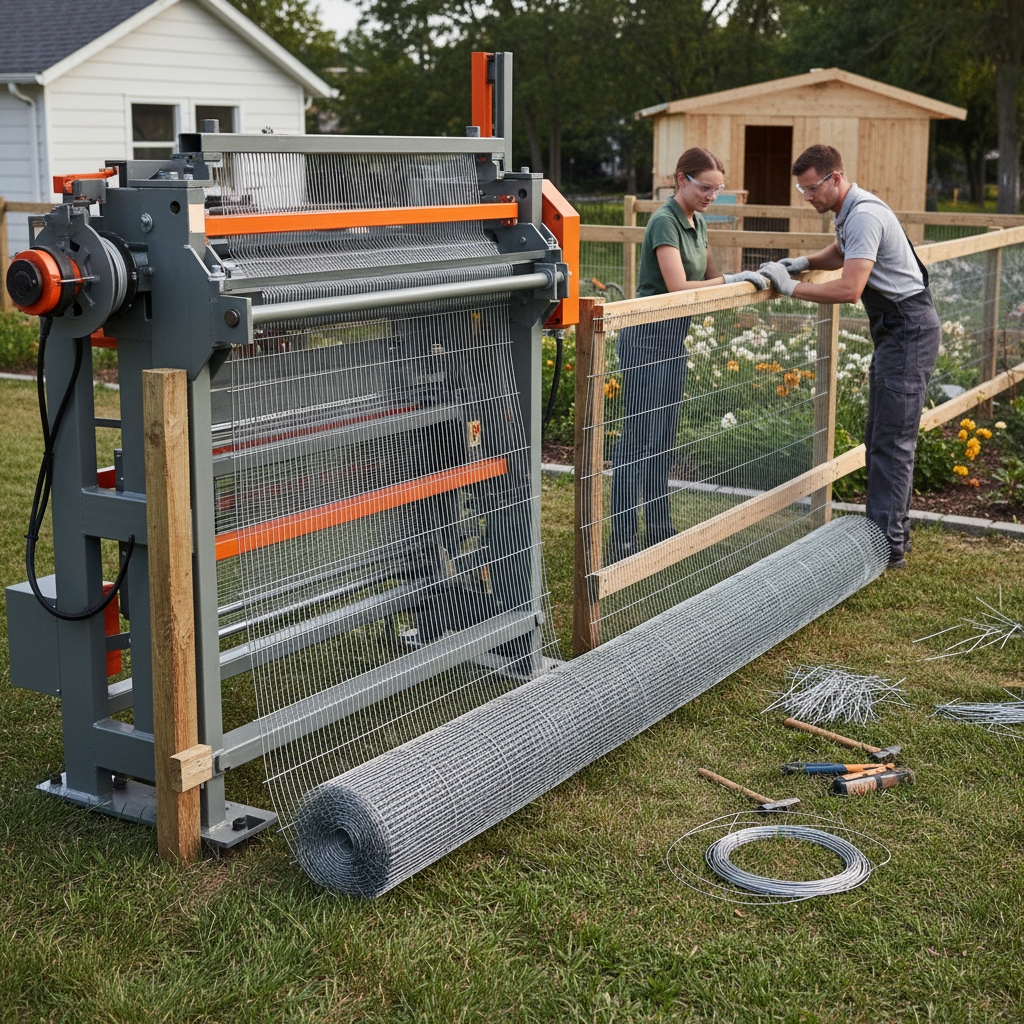
Building a fence can significantly enhance the security, privacy, and aesthetic appeal of your property. While professional installation is an option, many homeowners find satisfaction – and cost savings – in tackling a DIY fencing project. This guide provides a comprehensive overview of the process, from planning and material selection to installation tips, empowering you to create a durable and attractive fence. A well-constructed fence not only defines your property lines but also provides a safe enclosure for children and pets.
Planning Your DIY Fencing Project
Before you begin, careful planning is crucial. First, determine the purpose of your fence: is it for privacy, security, pet containment, or simply aesthetics? This will influence the height, material, and style you choose. Next, check local zoning regulations and homeowner association rules regarding fence height, materials, and setbacks. Finally, map out the fence line, noting any obstacles like trees, utilities, or uneven terrain. Accurate planning prevents costly mistakes and ensures a smooth installation process. Consider marking the post locations with stakes and string to visualize the final result. Remember to call 811 before digging to locate underground utilities.
Key Considerations: Check local regulations, map the fence line, locate underground utilities, and define the fence's purpose.
Choosing the Right Fencing Materials
Several materials are available for DIY fencing, each with its own advantages and disadvantages. Wood offers a classic look but requires regular maintenance. Vinyl is durable and low-maintenance but can be more expensive. Chain-link is a cost-effective option for security, while composite fencing combines the look of wood with the durability of vinyl. Consider your budget, desired aesthetic, and maintenance requirements when selecting materials. Huaxin Mesh specializes in high-quality chain link and welded wire mesh fencing options.
Material Comparison:
• Wood: Classic look, requires maintenance, moderate cost.
• Vinyl: Durable, low-maintenance, higher cost.
• Chain-Link: Cost-effective, secure, industrial appearance.
• Composite: Wood-like appearance, durable, moderate to high cost.
DIY Fencing: Step-by-Step Installation
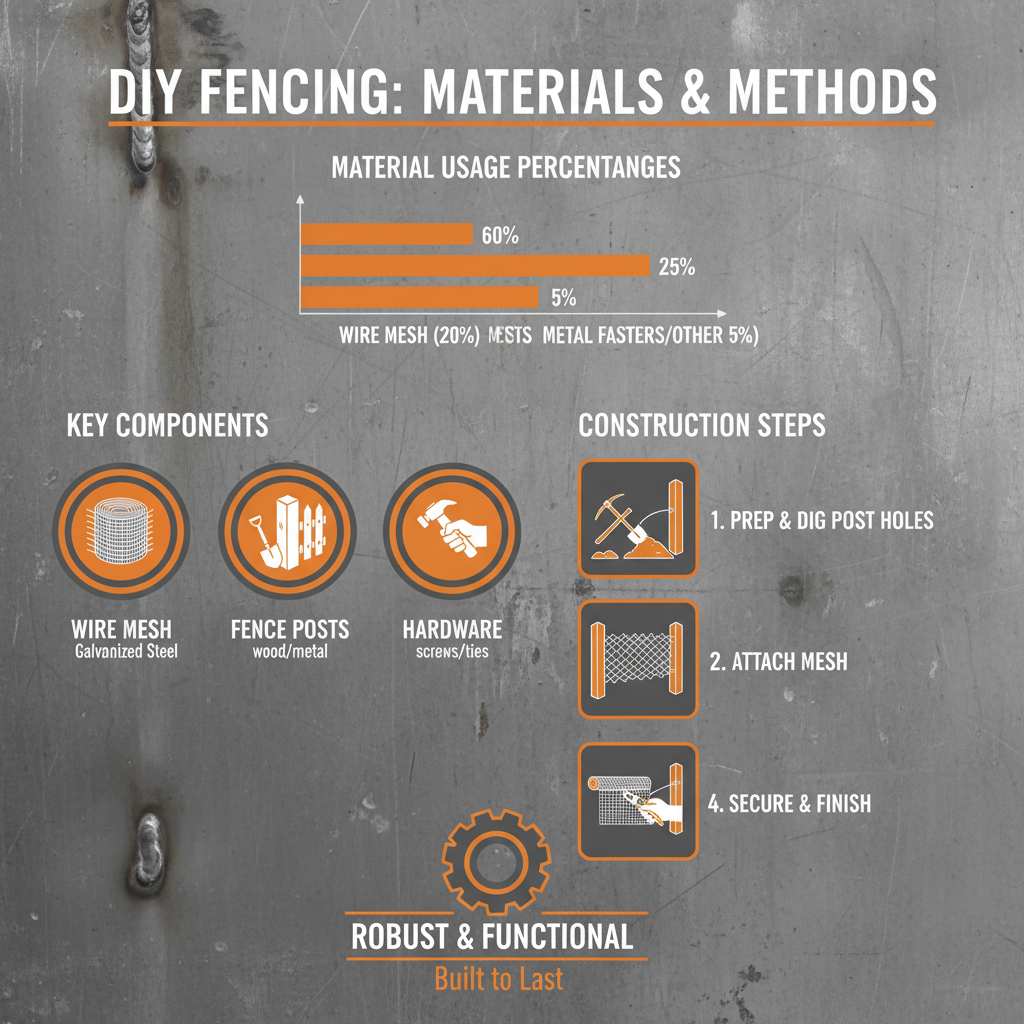
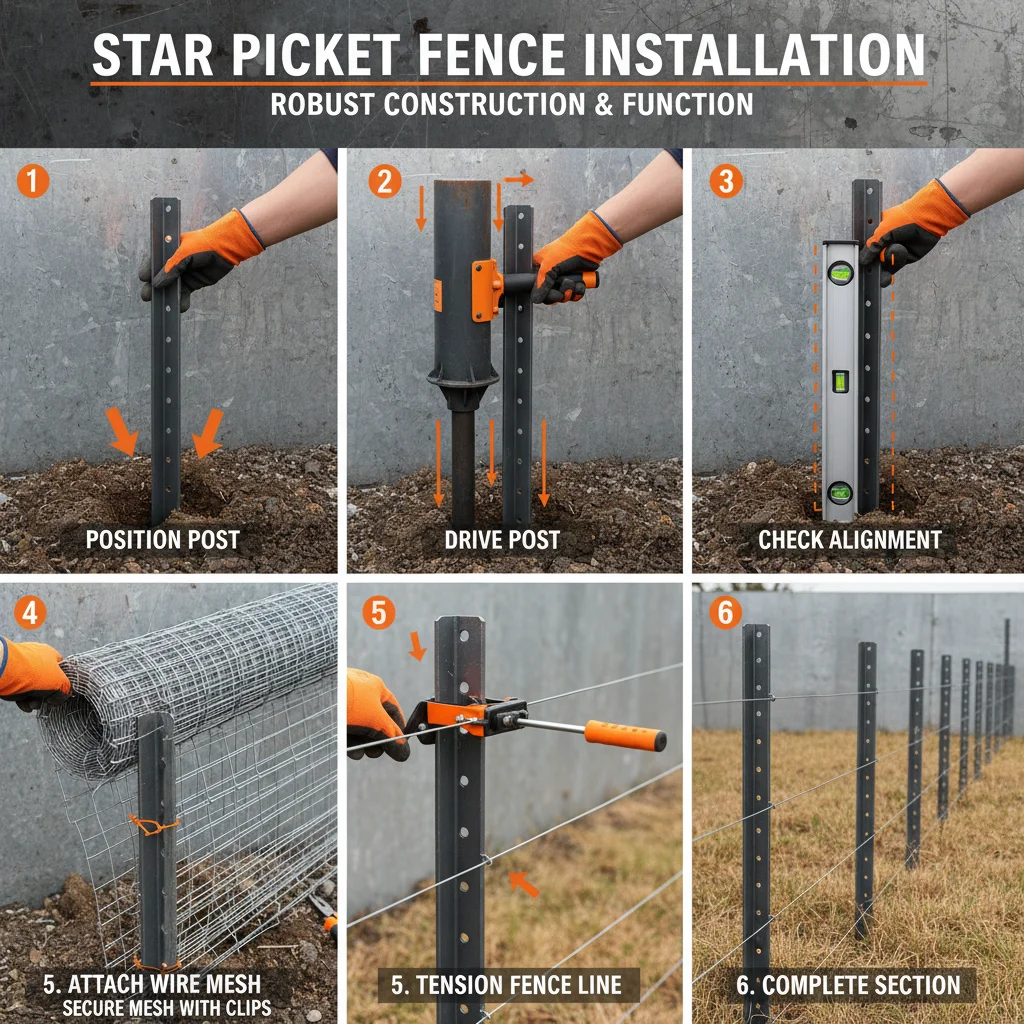
The installation process typically involves these steps: setting posts, attaching rails, and installing fencing panels or mesh. Begin by digging post holes, ensuring they are deep enough for stability (typically 1/3 of the post's height). Set the posts in concrete, allowing them to cure fully before proceeding. Attach the rails to the posts, creating a framework for the fence. Finally, install the fencing panels or mesh, securing them to the rails. Take your time and follow the manufacturer’s instructions carefully.
Chain Link Fencing: A Popular DIY Choice
Chain link fencing is a particularly popular option for DIY fencing projects due to its affordability and ease of installation. Huaxin Mesh provides a wide range of chain link fabrics, posts, and accessories to suit your needs. When installing chain link, ensure proper tensioning of the fabric for a secure and professional-looking fence.
Maintaining Your DIY Fence
Once installed, regular maintenance is essential to prolong the life of your fence. For wood fences, this includes staining or sealing to protect against the elements. Vinyl fences require occasional cleaning. Chain-link fences should be inspected for rust and repaired as needed. Addressing minor issues promptly can prevent costly repairs down the line.
Conclusion: Enjoying the Benefits of a DIY Fence
Building a DIY fence is a rewarding project that can enhance your property's security, privacy, and curb appeal. With careful planning, the right materials, and a little effort, you can create a durable and attractive fence that will provide years of enjoyment. Huaxin Mesh is your trusted partner for all your fencing needs.
Frequently Asked Questions (FAQs)
How much does it typically cost to build a DIY fence?
The cost of a DIY fence varies greatly depending on the materials chosen, the length of the fence, and the complexity of the installation. Wood fences are generally less expensive upfront but require ongoing maintenance costs. Vinyl and composite fences have higher initial costs but lower long-term maintenance. Chain-link is usually the most affordable option. A rough estimate for a basic chain-link fence is $10-$20 per linear foot, while wood and vinyl can range from $20-$40+ per linear foot. Always factor in the cost of posts, rails, hardware, and concrete.
What is the best way to ensure my fence posts are stable?
Proper post installation is crucial for fence stability. Dig post holes deep enough – typically one-third of the post’s height – and ensure they are wider than the post itself. Use concrete mix to secure the posts, and double-check that they are plumb (perfectly vertical) before the concrete sets. For added stability, consider using larger diameter posts or bracing them with additional supports, especially for taller fences or areas with high winds.
Do I need a permit to build a fence?
Yes, in most cases, you will need a permit to build a fence. Local zoning regulations often dictate fence height, materials, and setback requirements. Contact your local building department or homeowner’s association to determine the specific requirements in your area. Building without a permit can result in fines and the requirement to remove the fence.
What are the benefits of choosing chain link fencing from Huaxin Mesh?
Huaxin Mesh offers high-quality chain link fencing made from durable, galvanized steel, ensuring long-lasting performance and resistance to corrosion. They provide a wide range of gauges and heights to suit various needs, as well as a complete selection of accessories for a professional installation. With competitive pricing and excellent customer service, Huaxin Mesh is a reliable choice for your DIY fencing project.
In an era of rapidly expanding global trade, international exhibitions like FEICON BATIMAT have become crucial platforms for connecting suppliers with buyers worldwide.


